
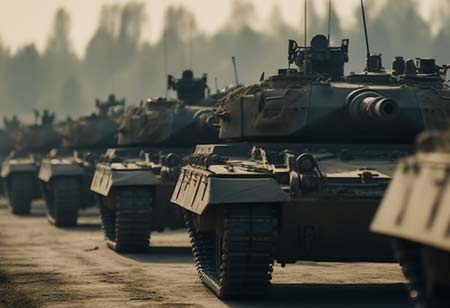
European defence manufacturing is changing to meet new needs, creating a steady demand for advanced ATR chassis systems. These systems help integrate military electronics, including communication tools, radar, surveillance equipment and essential computing for various defence operations. Manufacturers in Europe focus on building strong, durable systems that can be easily customised and supported over time to satisfy the needs of defence agencies and contractors.
European Chassis Makers Paving the Way for Military Modernisation
Engineering Precision and Control in Modern Fuzing Systems
Modern defence programs no longer evaluate fuzing systems as passive triggering mechanisms. They are expected to function as embedded decision layers within complex munitions, influencing accuracy, safety and mission adaptability under highly variable conditions. The shift toward precision-led operations has exposed a set of pressures that separate capable manufacturers from those that cannot sustain program-level demands.
Elevating Europe's Aerospace Sector: The Future of MRO Services

The European aerospace and defence ecosystem includes a vast network of commercial aircraft fleets, military platforms, and complex aviation systems that require continuous maintenance and technical support. MRO activities across the aerospace and defence sector encompass airframe inspections, engine maintenance, avionics upgrades, structural modifications, and component repairs.
Choosing the Gold Standard in Avionics Data Bus Connectivity

Executives buying COTS MIL-STD-1553 and ARINC products are usually solving a mismatch between long-serving aircraft electronics and the computing architectures surrounding them. Flight programs cannot discard certified data bus investments whenever processors, backplanes or test environments change, yet they also cannot let legacy interfaces dictate weight, cabling complexity or integration pace. The stronger suppliers in this market are not simply board vendors; they help avionics teams preserve proven bus behavior while moving data into architectures shaped by VPX, Ethernet, compact embedded systems and open-system procurement discipline.
European Defence Engineering: Evolution of Fuzing Systems Manufacturing

Fuzing systems manufacturing is a highly specialised segment within the broader defence and aerospace landscape, where precision, reliability, and safety are essential at every stage of development. These systems are responsible for controlling the activation and functioning of munitions, requiring exact timing, environmental responsiveness, and consistent performance under varied operational conditions.
What Defence Integrators Should Prioritise

Military electronics programmes continue to face increasing demands for processing power, sensor integration and platform interoperability. Modern airborne, naval and ground systems are expected to support larger data volumes, faster communications and more sophisticated mission applications while operating in environments that place significant stress on electronic hardware. For defence procurement leaders and system integrators, selecting the right ATR chassis supplier has become an important decision that influences reliability, integration complexity and long-term programme success.
Specialized Cleaning Systems: Aerospace Production Facility Operations
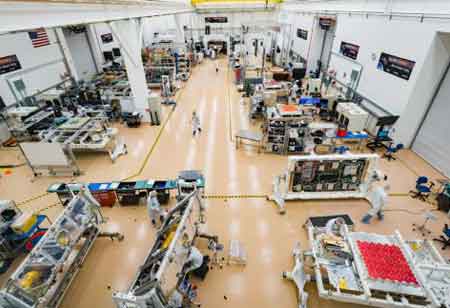
Aerospace facility cleaning services play a critical role in maintaining the operational integrity of environments where precision engineering and advanced manufacturing take place. Facilities involved in aircraft production, component assembly, and maintenance must operate under strict cleanliness standards to safeguard sensitive equipment and maintain safe working conditions. Even small amounts of dust, residue, or foreign particles can interfere with delicate systems and compromise manufacturing accuracy. As aerospace operations become more technologically advanced, cleaning practices have evolved into specialized processes that combine technical knowledge, contamination control strategies, and carefully selected cleaning materials.
Selecting MRO Partners for Fleet Continuity

Aircraft maintenance decisions now sit closer to network planning, asset value protection and fleet availability than traditional procurement. Airlines, lessors and public-sector operators are balancing mixed fleets, tighter maintenance windows, aging aircraft, next-generation platforms and unpredictable defect patterns. A provider that performs well within a narrow work scope may still expose the buyer to delays when a check expands, parts responsibility shifts or engineering support becomes necessary mid-event.
Aerospace Interfaces: COTS MIL-STD-1553 and ARINC Solutions

COTS MIL-STD-1553 and ARINC product suppliers operate within a highly specialized segment of the aerospace and defense ecosystem, delivering communication interfaces and components that enable critical data exchange across complex systems. These standards form the backbone of avionics and mission systems, supporting deterministic communication between subsystems such as flight controls, navigation units, sensors, and onboard computers. Commercial off-the-shelf offerings allow system integrators to incorporate proven, standardized technologies without the need for extensive custom development, reducing integration complexity while maintaining reliability.
Military Scenting Systems for Tactical Readiness

Military simulation has matured beyond screens, sound and physical props, yet scent remains one of the least forgiving parts of scenario design. A visual fire can be seen too early or too late; an odor can create the first sign that something is wrong before the trainee receives a clear visual cue. For executives evaluating scenting systems, the issue is not novelty. It is whether the technology can train recognition and response under controlled conditions that still feel close to the field.
Aerospace Manufacturing Solutions Driving Advanced Industrial Transformation
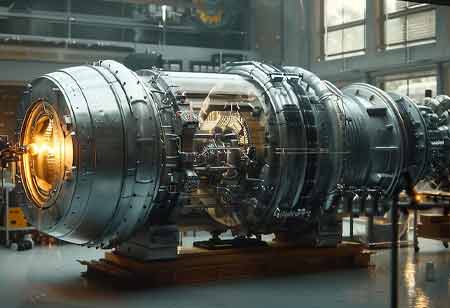
Aerospace manufacturing solutions providers are playing a critical role in transforming the aerospace industry through advanced automation, digital engineering technologies, and sustainable manufacturing strategies. By improving production efficiency, enhancing product quality, supporting innovation, and strengthening regulatory compliance, these providers help aerospace organizations remain competitive in an increasingly complex global market. The aerospace sector continues to evolve, and manufacturing solutions providers will remain essential partners in enabling operational agility, technological advancement, and long-term industry growth.
Evaluating Precision and Trust in Aerospace Facility Cleaning Services

Aerospace environments operate under expectations that leave little tolerance for inconsistency. Facilities often handle sensitive production, controlled materials and restricted processes, yet cleaning remains an embedded requirement rather than a visible priority. For executives overseeing these environments, the challenge is not finding a provider that can clean, but identifying one that understands the context in which cleaning occurs. In these settings, access itself carries risk, and every external presence must align with security protocols, confidentiality standards and tightly defined site rules.
Choosing Active Threat Response Training in 2026

Active threat response training has moved from a narrow security concern to a board-level duty of care. Executives can no longer treat violent-incident readiness as a binder or a short awareness session assigned to facilities. Schools, workplaces, medical sites, places of worship and large public venues carry different exposure patterns, yet the common weakness is usually the same: people are expected to make fast decisions under fear without enough practice, shared language or coordination with those who will arrive to help.
Future-Proofing Operations: The Essential Role of Satellite Connectivity in Business

The digital frontier has transitioned from the era of terrestrial cable reach into the proximity of cellular towers as a new era of orbital infrastructure takes hold. Modern enterprises are now compelled to look beyond old frontiers, claiming that absolute global mobility cannot be sustained by any network that is tied to local geography. For industries that operate in the most demanding environments on Earth, the strategic ability to continuously transact large amounts of high-speed data acts as a conclusive determinant for anything from daily logistical issues through to long-term financial sustainability.
Precision, Traceability, and Responsiveness in Aerospace Manufacturing Partnerships
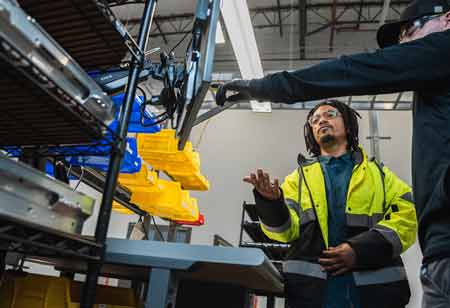
Aerospace manufacturing decisions are shaped less by scale and more by control, traceability, and the ability to respond without delay. Supply chain fragility, regulatory scrutiny, and the cost of downtime have elevated expectations for component providers. Buyers are no longer evaluating vendors solely on output capacity; they are examining how consistently a partner can maintain compliance, manage variability, and deliver without introducing risk into tightly regulated environments.
Cutting-Edge Solutions: The Transformative Role of Precision Machining in Aerospace
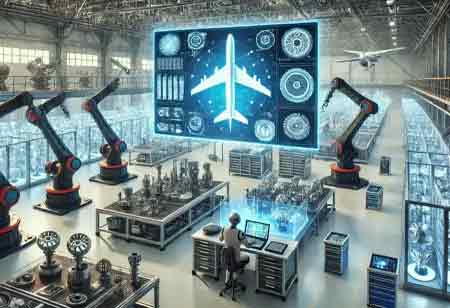
Aerospace precision machine services form the backbone of modern aircraft and spacecraft manufacturing, ensuring components meet the utmost standards of precision, reliability, and performance. These services encompass the production of complex, high-strength parts with exacting tolerances, intricate geometries, and superior surface finishes required for engines, structural assemblies, and control systems. By combining advanced machining techniques with automation, digital tools, and sustainable practices, aerospace precision machine services support safety, operational efficiency, and innovation across the aerospace industry. Their role extends beyond manufacturing, enabling designers, manufacturers, and maintenance organizations to achieve consistent quality and operational excellence.
Strategic Evolution of Military Scenting Systems in Modern Defense
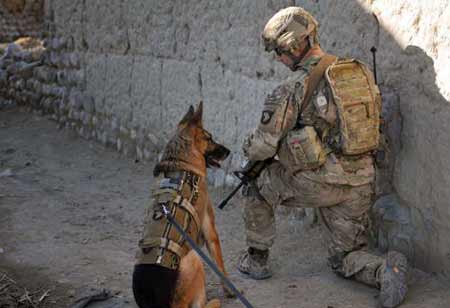
Military scenting systems have emerged as a critical component of modern defense strategies as global armed forces focus on strengthening detection, tracking, and threat-identification capabilities. The systems use advanced olfactory technologies, sensors, and biochemical mechanisms to identify explosives, chemical agents, narcotics, human presence, and battlefield environmental cues that human senses or traditional instruments may miss. With rising geopolitical tension, asymmetric warfare, and sophisticated enemy tactics, militaries worldwide are adopting scent-based detection solutions to enhance situational awareness and safeguard personnel.
Worldwide Satellite Connectivity at Scale: What Buyers Must Demand From the Ground Segment

Worldwide satellite connectivity has reached a point where orbital assets alone no longer determine mission success. Constellations are expanding faster than the supporting infrastructure that links them to mission control, and executives responsible for satellite connectivity decisions are increasingly exposed to risks that originate on the ground rather than in orbit. Access windows, fragmented ground station ownership and unpredictable service models introduce friction that limits how reliably satellites can deliver value. In this environment, the ground segment is no longer a supporting function. It is the layer that determines whether a mission operates as a dependable service or as a sequence of isolated passes.
Aerospace Safety through Advanced Active Threat Response Training Solutions

Active threat response training in aerospace has become a critical operational priority as global aviation environments grow increasingly complex. Aerospace operators face evolving security risks, including insider threats, terrorism attempts, cyber-physical disruptions, and unauthorized access to sensitive infrastructure. The industry is accelerating the adoption of advanced and technology-enabled training solutions that prepare personnel to respond swiftly, consistently, and effectively.
Precision Manufacturing Standards In Aerospace Hydraulic Systems
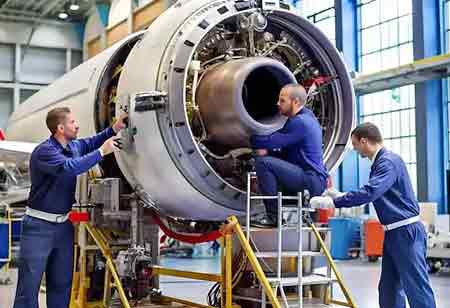
Aerospace manufacturers face mounting pressure as component tolerances tighten while skilled labor availability continues to shrink. In aircraft hydraulic systems and other flight-critical assemblies, microscopic deviations in bore geometry or surface finish can compromise performance, reliability and service life. Executives responsible for sourcing aerospace precision machine services must evaluate partners not only on machining accuracy, but on their ability to deliver repeatable results at scale under demanding regulatory expectations. The industry has shifted from isolated machining tasks toward integrated, engineering-led solutions that reduce manual dependency and stabilize output over long production runs.

