
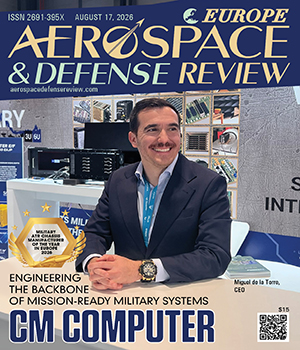
Modern military systems are rarely built from a single technology stack. Processing boards, networking modules, storage devices and mission-specific payloads are often sourced from multiple manufacturers, with each defence program requiring a different system architecture. The ability to select the best technologies for a mission creates flexibility, but it also creates complexity. Those technologies must fit together physically, communicate reliably, withstand harsh operating conditions and perform as a single deployable system. CM Computer specialises in the infrastructure that makes that integration possible. Established in 1987, it is one of the longest-standing military-certified chassis suppliers serving defence programs across Europe and the U.S. The company designs and manufactures rugged ATR chassis, custom backplanes and military computing architectures that enable boards, payloads and subsystems from multiple vendors to function within a unified platform. Supporting a broad ecosystem of VPX, VME and cPCI modules, these solutions give defence system integrators and OEMs the flexibility to select the technologies best suited for their requirements. Combining chassis engineering, backplane development, power distribution, I/O integration, thermal management, validation and manufacturing under one roof, CM Computer reduces engineering complexity, accelerates deployment and minimises program risk across airborne, naval and ground applications. "Every military platform presents unique requirements," says Miguel de la Torre, CEO. "Our role is to engineer systems around those requirements, not force programs into predefined configurations."
Defense Manufacturing Company
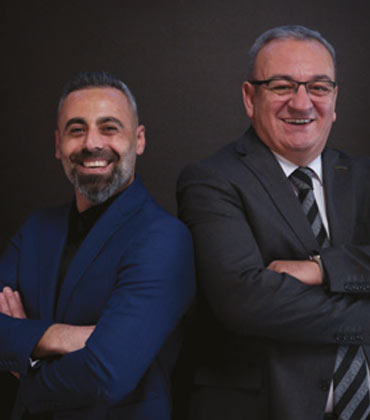
At Kale Savunma, a Turkish company located in Ankara, success is built on the trust and satisfaction of its customers. With over four decades of experience delivering precision-engineered solutions, the company has become a trusted partner to Turkey’s defence industry organizations. Combining technical expertise with a steadfast commitment to quality, Kale Savunma provides machined components and assemblies designed to perform reliably in critical applications. True to its name, which means “castle” in Turkish, Kale Savunma embodies the principles of strength and defence in its mission and operations. It has carved a niche for itself through customer-centricity, lean production methodologies, and an unwavering dedication to delivering excellence under tight deadlines. Kale Savunma plays a pivotal role in Turkey’s national defence initiatives, contributing to projects that enhance the country’s self-reliance and security. Its portfolio spans aerospace components, precision weapon systems, and mission-critical subsystems, reflecting its ability to address diverse needs within the defence sector. Its motto, “Defense begins from Kale,” reflects this mission, emphasizing the company’s integral role in strengthening the nation’s defence infrastructure. “Customer-first is not just a slogan; it’s our operating principle,” explains Oktay Tuncer, General Manager. Central to Kale Savunma’s philosophy is its customer-centric philosophy. The company’s mission goes beyond producing high-quality products—it strives to build strong, enduring relationships with its clients by understanding their specific requirements and consistently exceeding expectations. A Legacy Forged in Precision and Reliability Founded as Kale Torna in 1974 by founding father, İshak Dönmez, the company rebranded as Kale Savunma by founding son Özgür Dönmez to align with the growing demands of Turkey’s defence industry. This transformation began its journey toward achieving globally recognized quality standards. The ISO 9001 certification, a hallmark of effective quality management systems, was pivotal in ensuring the company’s processes aligned with the rigorous standards of original equipment manufacturers (OEM) in the defence sector. “We are proud to be certified by Turkey’s Secretariat of Defense Industries and the Military Factories General Directorate,” says Tuncer. These certifications enable it to contribute to critical national projects and reflect a deep commitment to precision, reliability, and customer-focused service—values that remain central to the company’s operations today. Customer-Centric Philosophy: Building Stronger Partnerships Kale Savunma transforms business relationships into lasting partnerships. The company maintains open and continuous communication and ensures that every client’s requirements are thoroughly understood and addressed throughout the production process. From initial technical drawings to delivering precision-engineered components, Kale Savunma’s team demonstrates responsiveness and flexibility. Whether managing expedited production timelines, adjusting specifications, or meeting budget constraints, the company consistently adapts to evolving client needs. This proactive engagement fosters trust, satisfaction, and loyalty, cementing Kale Savunma’s reputation as a trusted partner. Lean Production for Maximum Efficiency Complementing its customer-first approach, Kale Savunma employs lean production principles to maximize efficiency and maintain the highest quality standards. By designing processes that minimize waste, reduce errors, and optimize resource utilization, the company ensures that every step of production adds value without compromising quality.
Flight Simulation Training Service
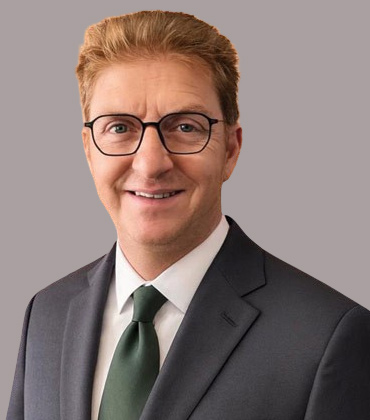
Dimitris Perdikaris spent much of his career in the training halls of the Hellenic Air Force, serving as an instructor pilot and examiner. His early work—introducing new simulation devices into the Air Force’s training program—reshaped how he viewed technology’s role in preparing the next generation of pilots, to meet demanding operational standards. “Simulation tech helped me prepare pilots for the unthinkable,” says Perdikaris. “It let me place them in situations too dangerous to attempt in real aircraft, yet essential for their growth. That was when I saw the full potential of simulation.” As his career progressed, Perdikaris became both a Flight Simulation Training Device (FSTD) operator and inspector. These roles revealed the lesser-seen side of aviation training: the world of regulatory standards and performance oversight. That experience made one truth clear, most simulators either delivered authentic flight experiences or met certification criteria—but rarely both. Perdikaris founded JETSIMS to close that gap—to merge regulatory precision with the realism pilots truly need. The company’s simulators fulfilled the criteria to strike a balance between technical fidelity and regulatory compliance. Each device is engineered and upgraded, to comply fully with EASA CS-FSTD(A), giving approved training organisations (ATO) and airlines confidence that their realistic training programs carry full regulatory recognition. Trainees step into an environment that feels true to flight—responsive, precise and safe—without compromising compliance. Internally, JetSims maintains a rigorous quality system that tracks device availability, utilisation and restart ratios, ensuring continuous reliability and audit readiness. Even the smallest details are given close attention. Radio communication training, for instance, aligns with CAP 413 standards to ensure cadets use the exact phraseology examiners expect. It may seem minor, but it prevents wasted hours, failed checks and inconsistencies in assessment. “I personally attended the FSTD Inspector Course at the JAA Training Organisation in Hoofddorp, earning certification to ensure full compliance with the latest regulations and standards. I had the honour of being nominated by the Hellenic Civil Aviation Authority and participating in numerous audits. This experience gave me valuable exposure to various synthetic training device technologies, manufacturers, and qualification requirements,” says Perdikaris, CEO of JetSims. For flight schools, that expertise removes a major operational burden. Owning a simulator often means juggling requalification, regulatory audits and ongoing technical checks. JetSims takes that weight off their shoulders, keeping every device flight and examready while instructors focus on producing pilots well-prepared for the complexities of modern aviation.
Aviation Tech Africa
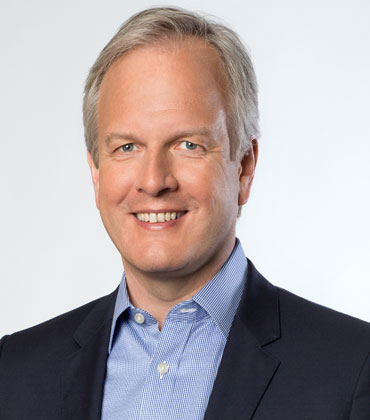
Innovation in Air Traffic Management : One Small Step?
Friedrich-Wilhelm Menge, Chief Technology Officer (CTO), DFS Deutsche Flugsicherung GmbH
A&D Logistics

A Flexible Aviation Radio to Boost Connectivity, Avionics Optimisation and Civil-Military Interoperability
Jorge Pereira, Head of Unit, EUROCONTROL
Private Jet Management

Air traffic management - an ongoing transformation with multidimensional challenges
Ulf Thibblin, CTO at LFV
A&D Training & Simulation

ITP Aero's Technology for the Decarbonisation of Aeronautical Industry
Rob Mitchell, Global Engineering Director, Installations Operating Unit, ITP Aero
Aerospace and Defense Manufacturing

An Operator Walks Up to a Machine Tool
Paul Guerrier, Manufacturing Engineering Manager, Moog Inc[NYSE: MOG-A]

IN MY OPINION
A&D Logistics
New Space 3.0 Enables Responsiveness, Resilience and Availability
Christina Aas, Technical Director, SmallSat Systems, Kongsberg Defence & Aerospace [OTCMKTS: KBGGY]
LAST WORD
Aviation
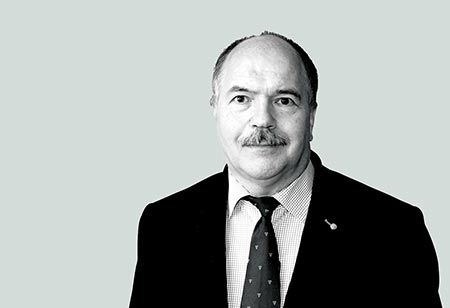
High Data Connections with Optical Communication
Siegbert Martin, CTO, Head of Development & Design, Tesat-Spacecom
IN FOCUS
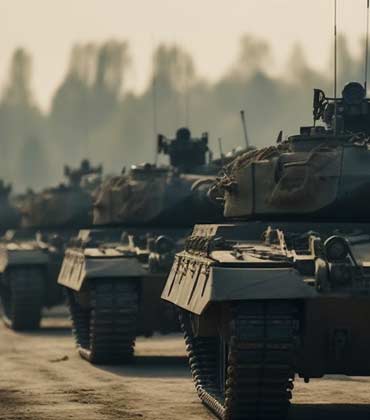
European Chassis Makers Paving the Way for Military Modernisation
European ATR chassis manufacturers support defence modernisation through advanced engineering, reliable production and integrated lifecycle services.

European Aviation: Airlines Operating Systems Driving Smarter Operations
Europe strengthens airline operations through modern operating systems that improve efficiency, coordination, passenger experience and day-to-day decision-making across networks.
EDITORIAL
Engineering Defence for a New Era
Our cover story features CM Computer, recognized as the Military ATR Chassis Manufacturer of the Year in Europe 2026. For nearly four decades, the company has helped defence system integrators overcome the complexities of military computing by designing rugged ATR chassis, custom backplanes and integrated computing architectures that bring technologies from multiple vendors into a unified platform. By combining engineering, validation and manufacturing under one roof, CM Computer enables customers to reduce integration risk, accelerate deployment and deliver mission-ready systems across airborne, naval and ground applications.
This issue also features perspectives from industry leaders addressing the next generation of space and communications technologies. Christina Aas, Technical Director of SmallSat Systems at Kongsberg Defence & Aerospace, examines how the New Space 3.0 approach is redefining small satellite performance through greater reliability, responsiveness and standardized architectures that support critical defence and civil missions.
Meanwhile, Siegbert Martin, CTO and Head of Development & Design at TESAT, explores how optical communication is expanding the capabilities of space-based data networks by enabling higher-capacity, lower-latency and more secure communications across satellites, aircraft and ground stations, laying the foundation for future global connectivity.
Together, these stories reflect a common priority across the defence sector: building systems that are not only more capable, but also more resilient, interoperable and prepared for evolving mission demands. We invite our readers to explore these perspectives and discover how engineering excellence continues to strengthen the future of aerospace and defence.
