
A&D Manufacturing Europe

KingTech Turbines Luxembourg: Turnkey Product Solutions for Model Aviation
KingTech Turbines Luxembourg
KingTech Turbines Luxembourg: Turnkey Product Solutions for Model Aviation
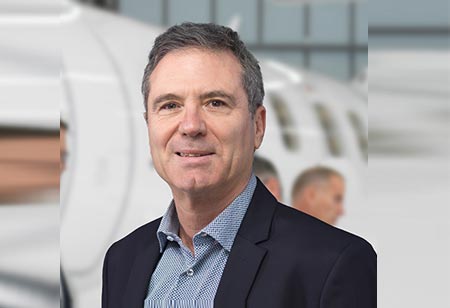
Jean-Marc Berg, Founder and Manager
For RC model aviation enthusiasts, sourcing the turbine is the easy part. Pairing it with the right fuel system, tank, fittings and aircraft frame—often from different suppliers—is where builds turn into a coordination exercise. Parts from different vendors don’t always work together.

KingTech Turbines Luxembourg eliminates that friction as a single source for premium turbine engines, aviation components and continued technical support. It serves as the European distribution arm of Taiwan-based KingTech Turbines while manufacturing and assembling an in-house line of fuel systems at its Redange-sur-Attert facility in Luxembourg. The company caters to model-aviation builders across Europe, the UK and a growing list of other countries, with the demand for its fuel-system components expanding into the unmanned aerial vehicle (UAV) space as well.

Founder Jean-Marc Berg started the business as a one-man operation. In 2008, he brought two KingTech RC turbine engines to his first model-making trade show and set up a small booth. Those turbines made up the entire product range at the time. Some visitors even doubted the business would go anywhere. “That’ll never amount to anything,” a few said. Berg remained resolute and confident of KingTech’s turbine quality, which soon led to a growing customer base.

He steadily broadened the range to include fuel systems, tanks and his own plug-and-play aircraft kits. The selection continues to expand to include more components that customers need to complete a build. Support from the parent company in Taiwan, along with guidance from colleagues at KingTech USA, helped Berg broaden what the Luxembourg operation could offer. This growth has helped push KingTech toward what he calls a world-leading position in model turbines.
CM Computer: Engineering the Backbone of Mission-Ready Military Systems
CM Computer
CM Computer: Engineering the Backbone of Mission-Ready Military Systems
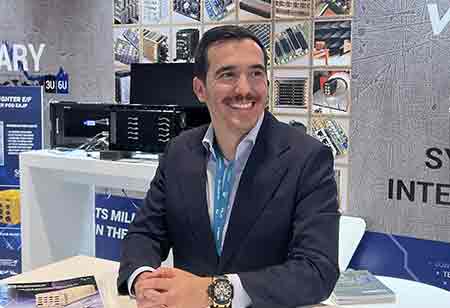
Miguel de la Torre, CEO
Modern military systems are rarely built from a single technology stack. Processing boards, networking modules, storage devices and mission-specific payloads are often sourced from multiple manufacturers, with each defence program requiring a different system architecture.

The ability to select the best technologies for a mission creates flexibility, but it also creates complexity. Those technologies must fit together physically, communicate reliably, withstand harsh operating conditions and perform as a single deployable system.

CM Computer specialises in the infrastructure that makes that integration possible. Established in 1987, it is one of the longest-standing military-certified chassis suppliers serving defence programs across Europe and the U.S. The company designs and manufactures rugged ATR chassis, custom backplanes and military computing architectures that enable boards, payloads and subsystems from multiple vendors to function within a unified platform.

Supporting a broad ecosystem of VPX, VME and cPCI modules, these solutions give defence system integrators and OEMs the flexibility to select the technologies best suited for their requirements. Combining chassis engineering, backplane development, power distribution, I/O integration, thermal management, validation and manufacturing under one roof, CM Computer reduces engineering complexity, accelerates deployment and minimises program risk across airborne, naval and ground applications.

"Every military platform presents unique requirements," says Miguel de la Torre, CEO. "Our role is to engineer systems around those requirements, not force programs into predefined configurations."

That approach is supported by multidisciplinary electrical and mechanical engineering teams working closely with customer engineers throughout the development process. Validation and quality-control testing are conducted internally, ensuring design decisions remain closely aligned with manufacturing execution.

The challenge is not selecting the technology. It is making the technology work together.


CM Computer also maintains direct oversight of production through three manufacturing facilities equipped with three-axis and five-axis CNC machining centres, along with dedicated painting and anti-corrosion treatment capabilities. This combination of engineering expertise and manufacturing control keeps production aligned with design intent, maintaining consistent quality standards while shortening delivery timelines for defence programs.

Designed for System Flexibility

System flexibility begins with an open-architecture foundation.

CM Computer's chassis, boards and backplane solutions are designed around 3U and 6U VITA standards and VITA Mil-COTS requirements. The card cages and slot architectures support standard open-bus modules while maintaining compliance with both mechanical and electrical VITA specifications.

Customers can select from more than 400 compatible modules produced by over 20 manufacturers worldwide. This broad compatibility simplifies system development, reduces integration efforts and lowers overall program costs. It also gives system designers greater freedom to choose the technologies best suited to mission requirements rather than being restricted by proprietary ecosystems.

Military platforms also introduce their own operational, environmental and certification requirements, many of which influence chassis configuration, power architecture and overall system design.

Ground vehicle systems require power supplies compliant with MIL-STD-1275D. UAV platforms typically require MIL-STD-704F compliance. Submarine deployments may impose acoustic requirements below 55 dBA while helicopter applications often demand enhanced vibration resistance.

Adapting systems to these varying requirements has become a routine part of CM Computer's engineering process and an important factor in helping customers reduce deployment risk.

Since introducing its first VPX integrated chassis in 2013, CM Computer has supported more than 30 VPX-based defence programs worldwide.

That experience is reflected in deployments, such as its work with Ultra I&C, a provider of advanced mission computing and tactical edge-processing technologies for defence applications. CM Computer supplies chassis solutions for the KNOX family of military computers, including the KNOX-5, KNOX-7 and KNOX-10 systems. Built around SOSA-aligned 3U OpenVPX architectures, these platforms support mission computing, tactical edge processing, sensor fusion and AI-enabled workloads across air, land and maritime environments.

Building the Integration Layer

Selecting compatible technologies is only the starting point. Integrating them into a rugged military platform presents a different set of engineering challenges.

Front panels require application-specific connector configurations, board-to-board communications must be optimised and signal integrity must be maintained under vibration, shock and environmental stress.

CM Computer’s military-specific backplanes are based on payload topology and communication requirements while managing complete chassis I/O integration. Signals are routed from payload modules to front panels through flex circuits, military-grade cabling and specialised wiring solutions engineered for rugged operation.

The complexity increases further when commercial high-speed technologies are introduced into military environments. Many digital video and data interfaces were originally developed for commercial electronics and are not fully supported by military VITA standards.
Secondo Mona: The Fuel System Integrator Built from Component Mastery
Secondo Mona
Secondo Mona: The Fuel System Integrator Built from Component Mastery
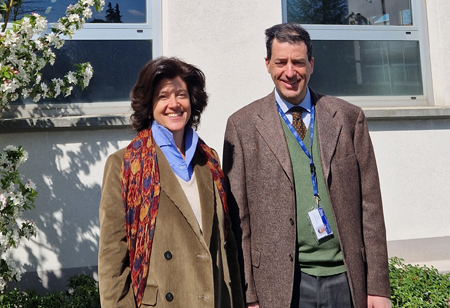
Claudia Mona, Managing Director, Riccardo Mona, Managing Director
Aerospace fuel systems leave little room for detached engineering. A pump, valve or probe cannot be treated as a separate part once it enters the aircraft. It has to behave within a larger architecture shaped by weight, safety, qualification, maintenance and the program’s long service life.

That is where Secondo Mona has built its authority.

The family-owned Italian aerospace company is a tier-one supplier of fuel systems and sub-systems for business jets, commuter aircraft, trainers, fighters, helicopters and UAVs. Its strength, however, did not begin with system integration. It began with mechanical intimacy—knowing how individual parts work, fail, adapt and perform under real aircraft conditions.

That discipline traces back to 1903, when Mr. Secondo Mona opened a small workshop in Somma Lombardo for the sale and repair of cycles and motorbikes. As aviation began to take shape around Cascina Malpensa, he met Gianni Caproni and other early flight pioneers, bringing his mechanical skill to an industry still learning to standardise itself. By the 1920s, the company had moved into the design and production of on-board equipment.

More than a century later, that origin still matters.

Secondo Mona’s evolution from component manufacturer to fuel-system partner was built on the belief that a company can only integrate what it deeply understands. For decades, it mastered the design and manufacturing of individual fuel-system components. Over the last 25 years, that knowledge became the foundation for a larger role: helping aircraft manufacturers move from individual equipment to integrated, qualification-ready fuel systems.

Today, the Mona family continues to carry that engineering philosophy forward. Claudia Mona, managing director, together with Riccardo Mona, managing director and Mauro Mariano, general manager, represents a generation of leadership that has kept the company close to its founding discipline while expanding its relevance in modern aerospace programs.

“Our strength is flexibility,” says Claudia. “We are not limited by a large standard catalogue. We have a broad technical capability, and that gives us the freedom to shape the right solution for each customer.”

Since Secondo Mona understands the component, it can optimise the system with greater mechanical control. And because it understands the system, it can also refine each component around the aircraft manufacturer’s exact requirements. The combination gives airframers a partner that is not simply supplying parts but shaping a fuel architecture that can move through design, qualification, production and long-term support with fewer disconnects.

A Turnkey Model Built for Programme Continuity

From engineering definition to prototype ship sets, validation, qualification and production, manufacturers work with a single accountable partner with Secondo Mona. The aim is to maintain technical continuity across a 30-to-40-year programme.

The relationship begins when an aircraft manufacturer’s engineering team brings a high-level fuel-system specification. Secondo Mona then turns that requirement into a defined architecture, while sales and purchasing shape the technical and commercial quotation around the programme. Early exchange establishes the working language: what the system must do, how each item will be developed and where responsibility sits before qualification begins.
JUNGHANS Defence: Full-Spectrum Fuzing Built on Safety and Reliability
JUNGHANS Defence
JUNGHANS Defence: Full-Spectrum Fuzing Built on Safety and Reliability
Florian Kunz, Head of Business Development
Fuzing sits at the intersection of safety, timing and effect, yet it is often treated as a component rather than a complete engineering discipline. That distinction becomes more important with modern operations that demand greater precision and control over how a munition performs at the point of engagement.

JUNGHANS Defence approaches this challenge with unusual depth. With full in-house capability across development, production, testing and core technologies, it builds fuzing solutions as integrated systems rather than assembled parts.

Formed as a joint-venture between Diehl Defence (Germany) and Thales (France), it brings together more than a century of European fuzing heritage, consolidating expertise that traces back to the early 1900s into a single, integrated platform. Because the joint venture is structured to operate without favouring either shareholder, it functions not as an internal supplier to either parent, but as an independent fuze house serving a wide range of programs.

Built on integrated in-house expertise across core fuzing disciplines, JUNGHANS Defence supports a wide range of applications. Its portfolio spans artillery, rockets, missiles, air-delivered munitions, mines, torpedoes and newer applications such as loitering munitions and one-way effectors, supported across multiple architectures, from traditional mechanical designs to advanced electronic systems. Across the entire portfolio, systems are developed in line with NATO STANAG and MIL-SPEC requirements, embedding interoperability and qualification rigor directly into the engineering process.

JUNGHANS Defence’s expertise relies on three competence centres. Its German headquarters leads micro-mechanics and system integration, while its French centre in La Ferté-Saint-Aubin near Orléans focuses on electronics, high-frequency systems and hardened solutions. Its third competence centre in Troisdorf, Germany, focuses on pyrotechnics and detonator technologies. That allows JUNGHANS Defence to pair portfolio breadth with deep technical specialisation at the points where development and production actually happen.

“Being broad does not mean we are not specialised. We have the best of both worlds, with all core fuzing competencies in-house, which allows us to respond quickly without losing control over safety or reliability,” says Florian Kunz, Head of Business Development.

Modular Architectures for Rapid Integration

SESAM allows JUNGHANS Defence to integrate across loitering munition platforms without redesigning the fuze architecture.

It uses a modular development philosophy, where core elements of the fuze are built as reusable building blocks. Fuzes can be configured and recombined depending on the application.

Europe Driving Innovation in RC Turbine Engines and Aviation Hobby Equipment

Specialised engineering activity around RC turbine engines and aviation hobby equipment solutions in Europe is gaining steady traction as enthusiasts and technical builders focus on higher-precision components and performance-oriented assemblies. Increased attention is being placed on compact turbine systems, airframe compatibility, and advanced control mechanisms that support more refined flight experiences. Stronger availability of modular parts and calibrated equipment is also supporting smoother assembly processes for hobby aviation setups.

Growing adoption of performance-focused components is influencing how hobby aviation projects are structured, with greater emphasis on durability, balance, and responsive control systems. Distribution networks are expanding access to upgraded engines, navigation electronics, and supporting accessories, enabling more consistent build quality across user groups. This shift is shaping a more technically engaged hobby environment where precision and system integration play a central role in equipment selection and usage patterns.

Evolving Market Dynamics of RC Turbine Engines and Aviation Hobby Equipment Solutions

Demand patterns within the RC aviation segment in Europe are increasingly shaped by shifting preferences toward high-performance turbine systems and refined hobby aircraft configurations. Interest in advanced propulsion setups is encouraging closer attention to system compatibility, component calibration, and build precision, particularly among experienced hobby builders. Supply channels are responding with broader access to specialised components that support more customised assembly approaches.

Market activity is also reflecting a gradual shift toward more segmented product availability, where turbine units, control systems, and supporting electronics are categorised to suit varying levels of technical expertise. This structure is influencing purchasing behaviour, with buyers selecting components based on performance requirements and integration complexity rather than standard kits. Retail and distribution frameworks are adapting to this segmentation by expanding curated inventory options.

Component sourcing practices are becoming more diversified, with suppliers offering wider configuration choices across propulsion units, avionics modules, and structural assemblies. This has contributed to a more flexible build environment where hobbyists can tailor aircraft systems with greater precision. The emphasis on modular selection is also supporting more efficient alignment between engine output and airframe design expectations.

Overall movement in the RC turbine and aviation hobby equipment space in Europe reflects a transition toward more specialised configuration-driven engagement. Equipment selection is increasingly guided by technical compatibility and performance calibration, leading to a more structured and detail-oriented hobby ecosystem. This progression is gradually redefining how hobby aviation projects are planned, assembled, and refined across user groups.

Consumer Demands and Technological Advancements

Consumer expectations within the RC turbine engines and aviation hobby equipment solutions space in Europe are increasingly shaped by a preference for smoother control responsiveness and greater consistency in flight performance. Hobbyists are placing a stronger focus on fine-tuned handling characteristics, stable thrust delivery, and improved reliability during extended usage cycles. This is encouraging suppliers to align product offerings with more precise performance calibration standards.

A growing preference for simplified setup experiences is also influencing product design direction. End users are seeking systems that reduce assembly complexity while maintaining technical depth, leading to a stronger emphasis on intuitive configuration interfaces and pre-aligned component compatibility. This shift is gradually influencing how manufacturers structure engine units and supporting avionics to reduce adjustment requirements during installation.

Advancements in digital control systems are reshaping how flight parameters are monitored and adjusted during operation. Integrated telemetry tools and real-time diagnostic features are enabling more accurate tracking of system behaviour, allowing users to fine-tune performance with greater precision. These developments are also supporting improved consistency in engine response and in-flight stability across varied operating conditions.

Progress in materials engineering is contributing to lighter yet structurally resilient components used in turbine assemblies and supporting airframes. Enhanced thermal resistance and improved mechanical stability are allowing systems to operate under higher stress conditions without compromising structural integrity. This has led to broader design flexibility in constructing compact yet high-output aviation hobby systems.

Overall technological progression and shifting user expectations are driving a more refined approach to equipment selection and system configuration in the European RC aviation hobby segment. Greater emphasis on precision control, operational ease, and system intelligence is gradually reshaping how enthusiasts evaluate and adopt turbine-based aviation solutions.

Key Challenges and Solutions in RC Turbine Engines and Aviation Hobby Equipment

Operational inconsistencies remain a key concern in RC turbine engines and aviation hobby equipment solutions across Europe, particularly during extended usage cycles where performance stability can vary under changing flight conditions. Sensitivity in tuning and configuration often requires careful calibration, and minor deviations in setup can affect overall responsiveness. Addressing this, manufacturers and suppliers are placing greater focus on refined adjustment frameworks and improved configuration support to reduce variability during operation.

Another challenge lies in part interoperability and long-term equipment maintenance, where differences in component specifications can complicate upgrades or replacements. Compatibility gaps between propulsion units, control modules, and supporting assemblies may lead to additional customisation requirements for users. In response, broader standard alignment practices and more structured component categorisation are being adopted, helping improve cross-system alignment and simplify maintenance processes for hobby aviation setups.

Skill dependency and technical entry barriers also influence participation levels within the RC turbine segment, as advanced assembly and tuning procedures require a strong understanding of system behaviour. This can restrict accessibility for new users who may encounter a steep learning curve during initial setup and operation. To address this, clearer configuration guidance, structured build references, and improved technical documentation are being introduced, supporting a more consistent understanding of system requirements and reducing setup complexity over time.  

European Chassis Makers Paving the Way for Military Modernisation

European defence manufacturing is changing to meet new needs, creating a steady demand for advanced ATR chassis systems. These systems help integrate military electronics, including communication tools, radar, surveillance equipment and essential computing for various defence operations. Manufacturers in Europe focus on building strong, durable systems that can be easily customised and supported over time to satisfy the needs of defence agencies and contractors.

Governments are modernising their defence infrastructure. In response, ATR chassis producers are improving their supply networks and engineering skills. They are working to support complex military programs while ensuring consistent production quality and following regulations in different countries and procurement systems.

Production Standards and Technical Requirements

Military ATR chassis makers in Europe work in specialised industry surroundings, where durability, dependability and interoperability stay in the spotlight, for buyers who care about more than just a price tag. Defence procurement offices want chassis systems that can host advanced electronics while dealing with ugly environmental factors like temperature swings, vibration and very long operating runs. So manufacturers end up putting serious effort into precision engineering, newer materials and testing steps that basically help them stay aligned with military specs and keep long-term operational results.

In production facilities, manufacturers often use automated machining systems and digital quality checks to keep outputs consistent during each stage of manufacturing. This approach helps parts fit better, improves thermal management and increases production speed, especially with complex chassis designs. European manufacturers are also researching lighter materials and modular system designs. This allows defence buyers to easily add new electronic capabilities without having to redo the entire platform each time.

Supply chain coordination is crucial for making ATR chassis. This process relies on specific parts, like metals, thermal units, connectors and special coatings. These parts must meet military standards. If any part is delayed, it can hold up production and affect the entire defence program schedule. Many companies work with multiple suppliers to avoid this issue. They also improve inventory management to support long-term contracts and adapt to changes in purchasing schedules.

Regional Procurement and Industrial Collaboration

European governments keep stressing regional industrial collaboration in defence purchasing, which opens extra doors for ATR chassis manufacturers who already have solid engineering capacity and production flexibility. Cross-border defence efforts usually pull in different contractors, some doing electronics integration, others handling communication infrastructure, and still others running vehicle modernisation.

"European ATR Chassis Manufacturers are Combining Precision Engineering, Modular Design and Long-Term Support to Meet The Evolving Demands of Defence Modernisation."

For ATR chassis suppliers, these kinds of programs can create cooperative engineering ties, and it helps when everyone tries to standardise things and keep interoperability between involved defence organisations.

Manufacturers are changing their business plans to meet the rising need for local production support and long-term maintenance services. Defence agencies often choose suppliers who can provide technical help, replacement parts, and upgrade options throughout the product’s life. When this life spans many decades, manufacturers must keep dedicated engineering teams to support the product, conduct tests, and make updates that meet changing operational needs.

Export activities help grow the European ATR chassis market. Many outside defence buyers choose European suppliers because they meet high engineering standards, follow strict regulations and can effectively integrate advanced military electronics.

However, companies must carefully follow regional trade rules and defence compliance processes when exporting sensitive technologies and participating in international procurement agreements. Manufacturers that can navigate these rules while keeping prices competitive can improve their long-term position in global defence supply chains.

Technology Integration and Future Market Direction

Technology is changing how military vehicles are built in Europe. These vehicles need to be faster and smarter, so they require better computers and can connect. To make this happen, companies are spending money on new tools and ways to keep the machines cool. This helps them make smaller and stronger electronics.

Cybersecurity is very important for developing chassis. Defence organisations need secure hardware to reduce the risk of electronic interference and unauthorised access. Manufacturers collaborate with defence electronics experts to meet these requirements.

Sustainability goals are changing how factories in Europe that make defence products operate. Companies are checking where they get their materials, how much energy they use, and how they handle waste to be more environmentally friendly. While it’s still important for products to work well and be reliable, using resources wisely is also becoming important for staying successful in the future.

The European military ATR chassis market will grow with ongoing investments in new engineering, strong supply chains and teamwork between companies. Manufacturers that adapt to new defence technologies while ensuring reliable production can build better relationships with procurement authorities seeking flexible and durable solutions. As European defence modernisation programs continue, ATR chassis producers are expected to play a key role in integrating advanced military electronics and providing long-term operational support.

Aerospace Fuel Systems in Europe: Driving Next-Generation Aircraft Performance

Aerospace fuel systems in Europe are evolving from purely functional components into highly engineered systems that directly influence aircraft efficiency, safety, and operational reliability. The systems manage how fuel is stored, monitored, and delivered under constantly changing flight conditions, making them essential to both performance and compliance.

Europe’s aerospace ecosystem is built on precision engineering and continuous innovation. Within this environment, fuel systems are being redesigned to meet stricter efficiency expectations and adapt to changing aviation requirements. The pressure to reduce fuel consumption, improve system reliability, and align with environmental targets is pushing manufacturers to rethink traditional designs and integrate smarter technologies. As aircraft systems become more interconnected, fuel systems are becoming intelligent, contributing data, diagnostics, and performance insights that go beyond basic fuel delivery.

Lightweight Design and System Optimisation

The strongest driver in Europe’s aerospace fuel systems market is the need to improve efficiency without compromising performance. Fuel consumption remains one of the largest operational considerations in aviation, and even small improvements can have a significant impact. Modern fuel systems are designed to optimise fuel flow and distribution throughout different phases of flight. Precise control ensures that engines receive the right amount of fuel at the right time, improving overall efficiency and reducing unnecessary consumption.

Every component within the fuel system, including tanks, pumps, valves, and pipelines, is being evaluated for weight savings. Lighter systems contribute directly to improved fuel efficiency and better aircraft performance, making material selection and design optimisation key priorities. Integration with broader aircraft systems is increasing. Fuel systems now interact more closely with propulsion and onboard monitoring systems, allowing for coordinated performance adjustments.

The level of integration helps optimise fuel usage in real time rather than relying on fixed operational parameters. Adaptability is becoming more important as well. Fuel systems must be capable of handling different operating conditions and evolving fuel types without compromising safety or efficiency. The flexibility ensures that aircraft remain viable as industry requirements continue to change. The focus on efficiency and optimisation is transforming fuel systems into active contributors to aircraft performance rather than passive infrastructure.

Monitoring Systems and Reliability Standards

Safety remains at the core of aerospace fuel system design, and expectations continue to rise as aircraft systems become more advanced. Fuel systems must operate flawlessly under extreme conditions, including pressure changes, temperature variations, and high operational stress. Modern fuel systems incorporate sensors and diagnostic tools that continuously track performance indicators such as pressure, flow, and system integrity.

“Fuel systems have evolved from supporting aircraft performance to actively shaping efficiency, reliability and the future of aviation.”

Reliability is closely tied to maintenance strategy. Predictive maintenance approaches are gaining importance, where data from the fuel system is used to anticipate wear and schedule maintenance before problems occur. It improves aircraft availability and reduces operational disruptions. The layered approach to safety is essential in maintaining operational integrity. Material durability plays a role in ensuring safety. Fuel systems must withstand long-term exposure to demanding conditions without degradation.

Improvements in materials and coatings are enhancing the durability of components while preserving their performance. As regulations change, manufacturers are actively updating fuel system designs to comply with increasing standards for safety and reliability. The ongoing refinement process ensures that products meet current expectations and provide longer-lasting and safer solutions in the market. By focusing on advanced materials and innovative designs, companies are equipped to navigate challenges and improve the overall efficiency of their fuel systems, leading to greater customer satisfaction and adherence to evolving regulatory requirements.

Sustainability Pressures and Future Aviation Models

As new fuel types are introduced, systems must adapt to different chemical properties and performance characteristics. It requires careful design adjustments to ensure safe and efficient operation. Efficiency improvements contribute to sustainability by reducing overall fuel consumption. Even incremental gains can lead to environmental benefits when applied across large fleets. Digitalisation is expected to play a larger role in future systems.

Enhanced data capabilities will allow for more precise control, better monitoring, and improved integration with other aircraft systems. The evolution of propulsion technologies is another factor shaping fuel systems. As hybrid and alternative propulsion models develop, fuel systems will need to integrate with new architectures, creating additional design challenges and opportunities.

From a strategic perspective, aerospace fuel systems are becoming part of a broader transformation toward smarter, more sustainable aviation. They are no longer isolated components but integral parts of a larger system focused on performance and environmental responsibility. Fuel systems are not just about delivering fuel; they are about enabling efficiency, ensuring safety, and supporting the transition to the next generation of aviation.

European Defence Engineering: Evolution of Fuzing Systems Manufacturing

Fuzing systems manufacturing is a highly specialised segment within the broader defence and aerospace landscape, where precision, reliability, and safety are essential at every stage of development. These systems are responsible for controlling the activation and functioning of munitions, requiring exact timing, environmental responsiveness, and consistent performance under varied operational conditions.

Manufacturing in this field demands a deep integration of mechanical engineering, electronics, and advanced materials, all aligned with rigorous regulatory frameworks. European manufacturers operate within an environment shaped by strong technical standards and a focus on interoperability, ensuring that systems perform reliably across different platforms and operational contexts.

Evolving Design and Production Dynamics in Fuzing Systems

Fuzing systems manufacturing in Europe is increasingly influenced by the integration of advanced electronics and digital control mechanisms into traditionally mechanical designs. This shift allows for greater precision in activation and improved responsiveness to environmental conditions. Modern fuzing systems are being developed with enhanced sensing capabilities, enabling them to interpret factors such as impact, proximity, and timing with greater accuracy. This evolution reflects a broader movement toward intelligent systems that can adapt to varying operational scenarios.

Another important development involves the emphasis on miniaturisation without compromising functionality. As defence systems become more compact and versatile, fuzing components must align with these design requirements. Manufacturers are refining production techniques to achieve smaller, more efficient systems that maintain high levels of reliability. This balance between size and performance requires careful engineering and precise manufacturing processes.

Interoperability remains a central focus within the European context. Fuzing systems are often required to function across different platforms and collaborative defence frameworks, necessitating standardised design principles. Manufacturers are aligning their systems with shared specifications to ensure compatibility, supporting coordinated operations and streamlined integration within broader defence systems.

There is also a growing reliance on simulation and digital modelling within the design process. These tools allow manufacturers to test system behaviour under a wide range of conditions before physical production begins. By identifying potential performance variations early, manufacturers can refine designs and improve reliability, reducing the need for extensive post-production adjustments.

Managing Technical Complexity through Structured Manufacturing Solutions

Fuzing systems manufacturers in Europe must address a range of technical and operational challenges, each managed through structured and carefully implemented solutions that ensure consistent performance. One significant challenge involves maintaining precision in highly sensitive components, where even minor variations can affect system behaviour. This is addressed through advanced quality control processes and high-precision manufacturing techniques that ensure components meet exact specifications.

Another complexity arises from the integration of multiple technologies within a single system. Combining mechanical elements with electronic controls requires careful coordination to ensure that all components function seamlessly together. This challenge is managed through integrated design approaches and cross-disciplinary engineering collaboration, allowing systems to be developed with a unified focus on performance and reliability.

Compliance with stringent regulatory standards introduces an additional layer of complexity. Manufacturing processes must align with detailed safety and performance requirements, which can vary across different operational contexts. This is addressed through robust compliance frameworks and continuous monitoring of manufacturing practices, ensuring that all systems meet the necessary criteria while maintaining efficiency in production.

Supply chain considerations also play a critical role, particularly when sourcing specialised materials and components. Ensuring consistent availability without compromising quality requires careful planning. This challenge is managed through strategic supplier relationships and rigorous material verification processes that support both reliability and continuity in manufacturing.

Workforce expertise represents another important factor, as the specialised nature of fuzing systems demands a high level of technical knowledge. This is addressed through ongoing training and knowledge development initiatives that ensure engineers and technicians remain proficient in both established and emerging technologies.

Advancing Capability through Innovation and Integrated Engineering

Fuzing systems manufacture in Europe continues to advance through innovations that enhance both system capability and production efficiency. One area of progress involves the incorporation of smart sensing technologies that allow systems to respond dynamically to their environment

The use of advanced materials also impacts system performance. Materials that improve durability and resistance to environmental factors result in more reliable operation, particularly in demanding conditions.

Digital transformation is becoming increasingly important in manufacturing processes. The usage of digital twins and real-time monitoring systems allows manufacturers to track production performance and identify potential improvements.

Collaboration across the European defence ecosystem is further strengthening innovation. By sharing knowledge and aligning technical standards, manufacturers and research institutions are contributing to the development of more advanced and interoperable systems.

There is also a growing focus on enhancing lifecycle management within fuzing systems. Designing components that are easier to maintain and upgrade supports long-term usability and reduces the need for complete system replacement.

Fuzing systems manufacture in Europe remains a highly specialised and evolving field, combining precision engineering with advanced technology to support reliable and effective defence capabilities across a complex and interconnected operational landscape.

Enhancing Customer Satisfaction in Aviation: The Power of Effective Communication
Panasonic Avionics
Enhancing Customer Satisfaction in Aviation: The Power of Effective Communication
Duane Cornella, Sr. Manager Operations Control Centers

As our aviation industry continues to transform and rebound after COVID-19 and other business impacts, customer expectations and satisfaction are at the highest levels I have seen across the industry. What makes this challenge even more so is the continual pressure on aviation organizations, leadership, and technicians to manage this part of the business.

As we all know and see, our industry is continually faced with staff shortages, continual turnover, and limited technical experiences in people skills, communications, soft people skills, and conflict resolution experience.

Though we always want to ensure the technician's focus is fixing the airplane and all the compliance requirements that entail, it is also paramount that the technician can communicate effectively depending on his role within the organization, up to leadership and direct or indirect communication in all forms with the customer.

Meeting or exceeding customer expectations and experiences is paramount to an organization’s success.

Strategies within the organization must ensure that the customer has only a “one-time experience” that covers all items associated with his business with the organization.

Eliminating those two or three additional calls, interactions, or emails and how the information is communicated will, for the most part, determine the return of their business.

A Flexible Aviation Radio to Boost Connectivity, Avionics Optimisation and Civil-Military Interoperability
EUROCONTROL
A Flexible Aviation Radio to Boost Connectivity, Avionics Optimisation and Civil-Military Interoperability
Jorge Pereira, Head of Unit

Aircraft connectivity challenges

Flight efficiency benefits from the introduction of advanced operational concepts and cutting-edge technologies in aviation. The modernisation of aviation infrastructure is underway based on digitalisation, automation and hyperconnectivity.

Higher levels of connectivity entail a new generation of broadband air-ground communication data links which are to be implemented in the framework of future communication infrastructure (FCI) technologies based on ICAO’s Aeronautical Telecommunication Network (ATN) Internet Protocol Suite (IPS).

FCI encompasses legacy (i.e. VHF voice and VHF Data Link Mode 2) as well as new communication systems. The new FCI communication systems include the Aeronautical Mobile Airport Communications System (AeroMACS), satellite-based data link(s) (SATCOM), covering oceanic and continental environments, and the terrestrial L-band Digital Aeronautical Communications System (LDACS) for continental airspace.

The new FCI data links will sustain new advanced operational concepts like trajectory-based operations, relying on near real-time downlink of flight management parameters. Air traffic control will no longer be based on where the aircraft “is” but on where the aircraft “will be”. There will be an optimal synchronisation between the airborne- and ground-based trajectories, the exchange of time constraints.

Huge benefits can be achieved if FCI technologies are implemented based on distributed software-defined radio (SDR) architectures. Such benefits range from upgradability and reusability of the design (since a greater number of common radio functions are implemented through software), weight savings on wiring and equipment, reduction of RF interference and functional flexibility facilitating integration between communication, navigation and surveillance data exchanges.

SDR as an interoperability multiplier and avionics optimiser

SDR technologies are reconfigurable and programmable, with multiple functions integrated in one “box”/form factor, mitigating space constraints, reducing hardware and rationalising equipage. The rapidly evolving SDR digital electronics render practical the use of one single transceiver equipment to receive and transmit different radio waveforms based solely on software.

"Air Traffic Control Will No Longer Be Based On Where The Aircraft “Is” But On Where The Aircraft “Will Be”. There Will Be An Optimal Synchronisation Between The Airborne- And Ground-Based Trajectories, The Exchange Of Time Constraints.”

Today’s avionics architectures remain fragmented and insufficiently integrated. Modern SDR technologies eliminate conventional packaging architectures, organising the integration of the radio functional blocks over two separate pieces of equipment (Figure 1):

• Antenna unit (AU) (with RF front end) – integrated close/next to the antenna and including analogue/superheterodyne radio components (e.g. power amplifier (PA), low noise amplifier (LNA)), AD/DC conversion stage and, sometimes, certain elements of the digital processing stages);

• Radio unit (RU) – located in the avionics bay, comprising a high performance single board computer/computing platform to digitally process (through software) the remaining stages among the digital radio functional blocks. This unit can be multi-instantiated to support, concurrently, multiple aircraft radios.

The radio unit will be able to host and process simultaneously multiple waveforms and support avionics interfaces (Figure 2). Based on strong partitioning, it is possible to merge radio software onto a common platform supporting the software corresponding to multiple radios. The interconnections between the radio units and the antenna units are switchable/selectable and waveforms installed are dynamically reconfigurable.

Preventive Maintenance as an Operational Strategy for Airport Operations
Harrisburg International Airport
Preventive Maintenance as an Operational Strategy for Airport Operations
James R. Sides, Deputy Director of Maintenance

Jamie Sides, Deputy Director of Maintenance at Harrisburg International Airport, brings extensive experience in aviation engineering, infrastructure planning and project management. He focuses on preventive maintenance, operational reliability and safety compliance, emphasizing planning, phased execution and efficient practices to minimize disruption across high-demand airport environments.

I have been around aviation my entire life. Growing up, my parents had an aviation-related business, so I was exposed to the industry early. That led me to pursue civil engineering at Virginia Tech, where I focused on airport design and construction. After graduating, I spent the first fifteen years of my career as an aviation consultant, starting from design and planning and moving into project management and oversight.

That background still shapes how I approach maintenance today. Understanding how infrastructure was built gives you a better sense of how it is going to react over time. A big part of maintenance is putting preventive programs in place, preplanning and doing things before they fail rather than reacting afterward.

A Proactive Approach to Airport Reliability

Reliability comes down to keeping up with maintenance and not letting things get behind. Even a short period where work is not happening can have a long-term impact. We saw that during the COVID timeframe when resources were limited and certain maintenance activities did not take place for 12 to 18 months. That kind of gap can create challenges later.

Staying ahead of potential failures is critical. I have seen cases where infrastructure did not receive proper maintenance for a long time, and bringing it back to standard became a major capital effort. When maintenance is consistent, those same systems can be maintained at a fraction of that cost on a yearly basis.

Parking infrastructure is a good example. It is one of the primary revenue sources for an airport, along with concessions. Taking even a portion of a parking facility offline can have a significant financial impact. That is why the goal is always to stay ahead of what could potentially fail and address it early.

For me, efficiency is closely tied to that approach. It is about keeping systems up to date, identifying risks early and making sure maintenance activities are pre-planned and executed before they affect operations.

Managing Operations without Disruption

Airports are high-demand environments, so every maintenance activity has to be planned around operations. Whether it is a parking structure or a runway, work needs to be phased and scheduled in a way that minimizes disruption.

For example, when working on a parking facility, the challenge is to keep as much of it open as possible while completing the required work. The same applies to runway maintenance. The work has to be planned in smaller time windows so that flight operations are not affected. That level of coordination and planning is essential.

”Maintenance is not about fixing what fails; it is about doing the work early so failure never happens.”

Another challenge is aging infrastructure. Many systems in use today were built decades ago, and one of the most important steps is understanding why something was designed the way it was. Going back through historical plans and documents helps provide that context. It allows us to build on what already exists instead of starting from scratch, which is often more efficient from both a cost and operational standpoint.

Prioritizing Safety and Compliance

All decisions are first based on safety. If a task cannot be done safely then we do not do it. That rule applies not just to maintenance teams but to everyone operating within the airport environment.

Compliance is equally important. All work has to meet federal, state and local regulations, and there is no flexibility around that. Preventive maintenance plays a key role in supporting compliance by ensuring that work is planned, scheduled and carried out according to required standards.

Planning ahead is a big part of that process. Most maintenance activities are scheduled six to twelve months in advance so that teams and stakeholders are prepared and work does not come as a surprise. Maintaining strong relationships with inspectors and regulatory agencies also helps keep everything aligned and ensures that expectations are clearly understood.

Using Technology to Improve Execution

Technology has made a significant difference in how maintenance operations are managed. Today, most tasks can be handled through digital systems, which has reduced the time between identifying an issue and starting work.

For example, work orders that previously could take days to process can now be generated and assigned in minutes. The right teams are notified immediately, allowing work to begin much faster.

Technology also provides visibility. I can see what teams are working on across multiple locations in real time, what is open, what has been completed and what is coming up. That level of visibility helps with prioritization and coordination, especially when managing operations across multiple airports.

GIS tools have also improved execution. If a runway light goes out, it can be identified and mapped with precise location data. Teams can arrive on site with the right equipment and complete the work without unnecessary delays. That reduces repeat trips and improves overall efficiency.

Preparing for Industry Challenges

In future, aging infrastructure will continue to be a major challenge. Many systems built in the 1970s, 80s and 90s are reaching the end of their useful life, and the industry will need solutions to either extend those systems or replace them in a costeffective way.

At the same time, factors like inflation make long-term planning more difficult. Cost fluctuations can impact how projects are planned and executed, which requires maintenance teams to stay adaptable and prioritize effectively.

The focus remains on keeping infrastructure operating reliably while balancing these challenges.

Learning through Shared Experience

One of the biggest lessons I have learned is the importance of reaching out to others in the industry. There is a large network of maintenance professionals, and most challenges are not unique to a single organization.

If you are dealing with a problem, there is a good chance someone else has faced the same issue and found a solution. Instead of trying to solve everything in isolation, there is real value in using those networks, sharing knowledge and learning from others who have already gone through similar situations.

Future of Digitalised Aerospace Industry
Pilatus Aircraft Ltd
Future of Digitalised Aerospace Industry
Bruno Cervia, Deputy CEO and VP, R&D

Bruno Cervia has spearheaded the Research and Development Unit since 2009 as a member of the management. He is responsible for the development and airworthiness of all Pilatus aircraft. He heads up a multi-disciplinary international team of some 400 specialists from all areas of aircraft development.

How has the aerospace manufacturing landscape evolved over the last 20 years in light of your experience, and how has the recent COVID-19 pandemic impacted it?

When talking about the advancements of the aerospace manufacturing space over the last couple of decades, we can’t deny the impact of the automotive industry on the aerospace landscape in terms of innovations. Most of the advancements in today’s aerospace sector are indeed inspired by how the automotive industry has implemented technological developments and streamlined its production processes.

If we take the past decade into account, we can see that automation technology has been massively dominating the aerospace industry. During the earlier stage of its adoption, automation was limited to only specific processes like CAD modelling, where the aircraft designing was carried out more efficiently. But now, almost every engineering process in the industry is being automated. The digital twin allows faster development cycles. In addition, the production of CNC (computer numerical control, i.e., the automated control of machining tools using a computer) machining for the manufacturing of aircraft parts. 3D printing is another technology that has been further augmenting the CNC machining processes and allowed rapid prototyping. We know that in the CNC machine process, precision is of high importance. Technologies like automation and 3D printing ensure precision and significantly accelerate the production cycle of the manufacturing process.

Overall, I would say all these modern technologies, including automation and 3D printing, are helping the aerospace sector to reduce errors, reduce production time and costs, and improve efficiency.

Now, let’s talk about the supply chain side of this industry. There have been immense developments where technological adoptions are offering better ways to improve supply chain efficiency. 

But after the crisis of COVID-19, the sector has been facing major difficulties. Since the pandemic has forced people to maintain social distancing and work from their own homes, it has led to a shortage of products, or at the least, a drop in the quality of products. The focus has thus been on how to optimise and increase the robustness of the supply chain ever since.