A&D Manufacturing

Advanced Structural Technologies, Inc. (AST): Forging Strength into Military Mobility
Advanced Structural Technologies, Inc. (AST)
Advanced Structural Technologies, Inc. (AST): Forging Strength into Military Mobility
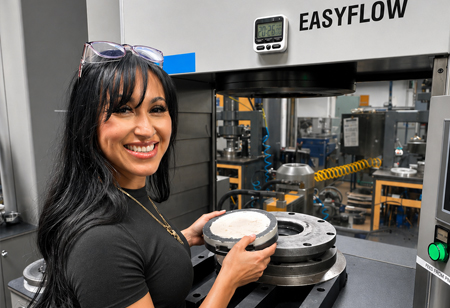
Anita Shum, Sr. Director of Marketing & Business Development
Not every wheel marketed as "forged" is manufactured through a true forging process. As manufacturers evaluate suppliers, distinguishing true forged wheels from products marketed under the same label has become increasingly important because manufacturing methods directly influence mechanical properties and long-term performance.

Advanced Structural Technologies (AST) specializes in premium rotary-forged aluminum wheel blanks for demanding military and commercial applications. Backed by deep industry knowledge and a fully integrated, in-house manufacturing model, it maintains end-to-end control over critical processes, enabling consistent quality, shorter lead times and greater production efficiency.

"We are probably one of the last U.S.-based forged wheel blank manufacturers left in the U.S.

A lot of our wheels are on military vehicles, whether tactical or armored,” says Anita Shum, senior director of marketing & business development.

Valued for its advanced manufacturing expertise, AST serves smaller wheel manufacturers, defense suppliers and OEMs. First established in the aftermarket wheel industry, AST evolved into a critical role supporting military mobility programs, where durability, strength and reliability are non-negotiable.

Manufacturing Performance from the Ground Up

At the heart of AST's success is its focus on rotary forging, which delivers significant performance advantages for military applications. Unlike cast and flow-formed wheels, rotary-forged aluminum wheel blanks provide superior mechanical properties, combining high strength, durability and weight reduction that help balance payload capacity, operational mobility and long-term reliability.

As armed forces continue to add advanced electronics, armor protection systems and mission equipment to tactical and armored vehicles, every opportunity to reduce weight becomes valuable. Forged aluminum wheel technology provides a lightweight alternative to traditional steel wheels while maintaining the structural integrity required for demanding operational conditions.

Supporting its engineering expertise is its fully in-house integrated manufacturing model in which rotary forging, metal spinning, flow forming, machining, engineering and quality assurance are all maintained on site. For the wheel market, rotary forging and metal spinning are particularly important, enabling the team to maintain full control of every process until products are shipped to clients.

The advantages of this vertically integrated model are both operational and strategic. When a produced part is shipped for subcontracted operations, quality oversight and schedule control become more difficult. AST avoids reliance on external subcontractors and maintains direct control over quality, process consistency and production schedules. Close communication between engineering, manufacturing and quality teams allows issues to be addressed quickly throughout production. For customers operating in highly regulated defense supply chains, this reduces risk and improves responsiveness.
Advanced Conversion Technology: Building Military Power Systems Around Customer Needs
Advanced Conversion Technology
Advanced Conversion Technology: Building Military Power Systems Around Customer Needs
Andy Domovich, President
Military programs operate under immense pressure. Equipment must perform in extreme conditions, schedules often leave little room for delay, and mission success depends on technologies that work exactly as intended when deployed. Customers who face these demands need more than a supplier. They need a partner that understands operational realities, adapts to changing requirements, and remains accountable throughout the life of a program.

Advanced Conversion Technology (ACT) has built its business around that principle, placing the voice of the customer at the center of every decision from technology development through production and long-term support. What enables that responsiveness is ACT’s vertically integrated model, which brings engineering, manufacturing, testing, and qualification together under one roof. Direct collaboration across teams allows ACT to maintain visibility, accelerate decision-making, and adapt quickly as program requirements evolve.

That agility is reinforced by a culture built on customer relationships that shape how ACT approaches innovation, product development, and future planning. Since the company became 100 percent employee-owned in 2021, that commitment has grown even stronger.

“We partner with our customers to deliver mission-ready solutions that perform and protect in defense applications on land, in the air, or at sea,” says Andy Domovich, president.

Customer Needs Shape Every Stage of Development

ACT’s approach to partnership shapes product development. Military customers need greater power output, improved efficiency, and smaller form factors without compromising performance in demanding operational environments. ACT addresses those requirements through a combination of extensive fielded experience, a deep design library, and a continued investment in advanced technologies. Modern semiconductors, advanced magnetic materials, and sophisticated power converter topologies further help increase power density and efficiency while maintaining the rugged reliability required for defense applications.
LoneStar NDE Innovations: Programming-Free Robotic Inspection for Aerospace
LoneStar NDE Innovations
LoneStar NDE Innovations: Programming-Free Robotic Inspection for Aerospace
Dr. Nate Blackman, CTO, Dr. Ben Blandford, CEO
LoneStar NDE Innovations (LSNDE) is helping aerospace teams respond to a shrinking Non-Destructive Testing (NDT) workforce and inefficient robotic inspection systems. Traditional robotic inspection systems are often difficult and time-consuming to deploy and require significant safety infrastructure to keep operators out of harm’s way. In many cases, setup, programming and path planning can take weeks before scanning begins. To simplify the process, the company developed Orion, an “inspector in-mind” programming-free collaborative robot inspection system designed for operators to learn in a day, with path planning completed in minutes and it is safe for operators to work alongside.

The LSNDE Orion system has already delivered measurable gains, cutting inspection times in half on large space launch structures and dramatically reducing a rotorcraft blade inspection process from four days to four hours.

“We eliminate wasted time by removing CAD requirements and cumbersome scan path-planning dependencies. Many customers don’t have part drawings nor the time to teach a complicated robotic system a specific geometry and with our system path planning takes minutes instead of days to weeks,” says Dr. Ben Blandford, CEO.

Operational Flexibility in Aerospace Workflows

For many MRO facilities and non-OEM aerospace operators, CAD files and engineering drawings for legacy components are unavailable. Traditional automated inspection systems still rely heavily on CAD uploads, extensive programming and engineering setup before inspections can begin, limiting automation adoption.

LSNDE removes that requirement entirely. Its programming-free workflow allows operators to capture part geometry directly and generate inspection paths without lengthy programming cycles, enabling faster deployment for aerospace manufacturers and repair facilities working with legacy or mixed-component fleets.

The platform combines geometry capture, path planning, robotic execution and digital inspection records within a single software-driven workflow rather than functioning as simply a robotic inspection system.

It is also designed to minimize operational disruption. Smaller robot configurations can sit on a lab table in an R&D environment, while larger mobile systems can be rolled directly to the structure to be inspected and then stored away when not in use.

Inspection Made Intuitive

LSNDE developed the platform alongside ASNT lvl II and III inspectors to make the system intuitive for new operators and reduce dependency on specialized expertise. Instead of requiring different workflows for different inspection methods, the platform standardizes the process across modalities including bond testing, single-element ultrasonic and eddy current inspection, with phased array ultrasonic and eddy current array capabilities currently under development.

Operators can quickly swap sensors while continuing to work within the same software environment, reducing retraining time across inspection tasks. That consistency is valuable for aerospace and defense organizations dealing with workforce turnover, shrinking inspection teams and accelerated onboarding cycles.

Quality teams gain digitally archived inspection records, engineering groups can use visualization data to support design and process decisions and operations teams benefit from shorter inspection cycles and reduced production bottlenecks.
Extrude Hone AFM: Abrasive Flow Machining for a Smooth Performance
Extrude Hone AFM
Extrude Hone AFM: Abrasive Flow Machining for a Smooth Performance
Sienna Rose, Manager and in charge of Quality Control
How does additive manufacturing create internal surface challenges requiring specialized finishing processes?

Additive manufacturing has transformed aerospace design, enabling engineers to easily build complex internal parts that are far more intricate than before. This innovation, however, introduces a new challenge, rough passages that limit air or fluid flow and reduce efficiency. Extrude Hone AFM specializes in polishing these hard-to-reach pathways in both machined and additively manufactured parts for aerospace and defense companies, where high performance and efficiency are expected.

Why is abrasive flow machining essential for improving internal passages in aerospace components?

Rocketry is the clearest example of where Extrude Hone AFM’s work matters most. It has been involved in streamlining parts on nearly every rocket launched in the last 15 years. Abrasive flow machining (AFM) is crucial in the aerospace and defense sector as additive parts tend to have rough passages inside. The job is often simple, but traditional machining and polishing cannot reach these areas. This is where Extrude Hone AFM’s expertise comes into play.

“We try new things and think outside the box to get the job done for our customers,” says Will Melendez, manager.
Aero Component Engineering: Control That Drives Reliability
Aero Component Engineering
Aero Component Engineering: Control That Drives Reliability
Erin Weideman, Sales Director
What role does in-house control play in ensuring reliability in aerospace manufacturing?

Aero Component Engineering is a specialized aerospace parts manufacturer focused on high-performance hose and fluid system components. Built around a hands-on, control-driven production model, it delivers consistent quality, reliable lead times and predictable performance for aircraft operators. Keeping critical production in-house allows customers to benefit from shorter lead times and greater cost predictability. In an industry where delays ripple quickly, this level of control becomes a strategic advantage.

Aero Component serves everyone from single aircraft owners to large corporate operators, proving that size doesn’t dictate capability, but discipline and reliability do.

For nearly 60 years, Aero Component Engineering has built its reputation the same way it builds its hose assemblies, carefully, consistently and with pride.

Building Quality into Every Step

How does structured quality management support consistency and compliance across aerospace operations?

The focus on quality and control extends across every part of the operation, from machining and assembly to inspection, documentation and customer service.
Supported by AS9100 and ISO 9001 certifications, the company has developed a structured, audit-ready environment that protects traceability, regulatory alignment and accountability across every order.

The quality system is one of the company’s most significant achievements. It allows Aero Component to confidently serve a wide customer base that includes military operations, individual aircraft owners and major corporate clients, all while maintaining consistency and compliance.

Responsiveness remains central to the company’s competitive advantage. Through a strategic stocking program based on customer demand and high-usage products, Aero Component is able to run larger production batches, reduce pricing and deliver shorter lead times. In an industry where downtime is costly, this balance of efficiency and reliability is critical.
Sunnen: The Vanguard of Precision in Aerospace and Defense Tolerance
Sunnen
Sunnen: The Vanguard of Precision in Aerospace and Defense Tolerance
Dan Conner, Business Development Manager
Tolerance, in the world of aerospace and defense, has become the industry’s highest-stakes game. Even the slightest deviation can make the difference between mission success and catastrophic failure, whether in the skies, space, or on the battlefield. Parts need to fit with laser precision where straightness, bore geometry, and surface finishes align with unyielding accuracy.

But here is the catch: the people who once performed this intricate work manually are now a vanishing class. Many of these experts are nearing retirement, and there aren’t enough younger workers trained to replace them. The result is a talent shortage in an industry that cannot afford to compromise on excellence.

Through the power of digital innovation, Sunnen has emerged as a key player in bridging the gap. Experts in navigating the tightest tolerances, the company blends automation with the precision that aerospace and defense demands, without compromising on quality or performance.

How is Sunnen responding to rising precision demands in aerospace and defense as skilled labor declines?

Specializing in aircraft hydraulic components, it works in tandem with partners that handle aircraft fuel supply systems. The same precision expertise extends to defense applications, where it provides advanced honing solutions for military components, including pistol, rifle, and cannon barrels. By achieving tight control over dimensional tolerances and surface finishes the company enhances the accuracy, durability, and repeatability of firearms and other critical military equipment.

“Our machines are equipped with highly precise, intricate feed and control systems, which has been made possible by our in-house expertise and advanced technology,” says Dan Conner, Business Development Manager. “This allows us to meet the tightest tolerances with ease and provide our customers with efficient solutions.”
Defense Operations & Engineering Solutions (DOES): Building Credibility That Compounds
Defense Operations & Engineering Solutions (DOES)
Defense Operations & Engineering Solutions (DOES): Building Credibility That Compounds
Aaron Sneed, Founder
The foundation of national defense is no longer built solely on armaments, but on the strength and ingenuity of the nation that creates them. It includes the capability to design, manufacture, and sustain critical technologies and essential goods domestically. From advanced microelectronics to Active Pharmaceutical Ingredients (APIs) and essential medicines (EM), national security depends on resilient, onshore production, skilled workforce pipelines, and disciplined program execution. To meet this demand, America needs organizations that combine technical rigor with strategic foresight, delivering both capability and opportunity where it matters most.

Defense Operations & Engineering Solutions (DOES) answers those needs and is rewriting the defense manufacturing playbook. Its model fuses digital engineering, Industry 4.0 systems, and Artificial Intelligence (AI) and Machine Learning (ML) analytics to deliver measurable outcomes such as shorter lead times, higher yields, lower costs, and reduced schedule risk. Through this same framework, DOES is revitalizing the industrial base by developing sustainable design and manufacturing capacity in vulnerable communities and HUBZones, aligning national resilience with local empowerment.

“We’re building credibility that compounds,” says Aaron Sneed, founder. “Our goal is to strengthen America’s defense industrial base while investing in the people and places that make it resilient.”

Accelerating National Capability through Technology and Workforce Development

DOES is making an impact across critical sectors that are vital to national security. In microelectronics and semiconductors, the company strengthens domestic production and sustainment, applying Model-Based Systems Engineering (MBSE), agent-based modeling, and high-fidelity simulation to derisk complex new developments, redesigns, and maintenance, repair, and overhaul (MRO) pathways. Its work ensures faster, smarter, and more resilient defense electronics, while simultaneously creating workforce training opportunities in communities that need them the most.
Global Filtration, Inc.: Raising the Bar for Aircraft Filtration
Global Filtration, Inc.
Global Filtration, Inc.: Raising the Bar for Aircraft Filtration
Rick Caouette, President and CEO
A tenfold reduction in aircraft maintenance costs is not something airlines hear every day.

Yet that is exactly what some operators have achieved through cleaner hydraulic systems and longer-lasting components, thanks to Global Filtration, Inc.’s breakthrough in filtration technology. By replacing traditional micro-fiberglass media with sintered metal fiber, the company has redefined performance expectations across the aerospace sector. The results are reflected in fewer maintenance cycles, reduced part failures, and more efficient fleet operations.

In a market dominated by multinational OEMs, Global Filtration has established itself as a rare independent innovator. It is the only small manufacturer to have mastered NGS filters for both Boeing and Airbus systems. This technical milestone speaks to its precision, perseverance, and deep engineering expertise. From its earliest days, the company has prioritized doing things differently through rigorous testing, collaborative design, and a steadfast refusal to compromise on quality.

The company’s story begins in 1995, when Rick Caouette, now President and CEO, set out to solve problems he had observed during his 15-year career at Western Filter and Donaldson. Over time, he and his team developed a reputation for tackling the hardest challenges: the contamination issues that conventional filters could not fix, the supply gaps that slowed maintenance teams, and the reluctance of airlines to adopt PMA-approved alternatives due to warranty concerns.

Global Filtration addressed these challenges directly through transparency, verified performance data, and long-standing relationships with trusted manufacturing partners.
The Wing Group: Optimizing Mission Outcomes with Advanced Inflatable Systems and Highly Technical Fabric Solutions
The Wing Group
The Wing Group: Optimizing Mission Outcomes with Advanced Inflatable Systems and Highly Technical Fabric Solutions
Andrew Branagh, CEO
In mission-critical operations, inflatable boats are often a crucial piece of equipment. But these are typically designed to match distinct specifications, not for a spectrum of demands. Closing this gap requires a mindset that focuses on the larger picture.

The Wing Group, and its companies Wing Inflatables, Henshaw Inflatables, Patten Company, Fabtek Industries and Mustang Survival, put this philosophy into practice. A global provider of inflatable boats, life rafts, dry suits, technical apparel and survival systems, it works closely with boat builders, OEMs and operators, always asking in-depth questions about real-world use. Every project is guided with the goal of improving outcomes while strengthening the internal capabilities of clients.

“Our only competition is ourselves, and progress is measured by improving on our last effort,” says Andrew Branagh, CEO.

The Wing Group caters to organizations across the recreational, commercial and defense industries.

A Culture of Responsibility and Solutions

Employees at The Wing Group are encouraged to move beyond the boundaries of their job descriptions, viewing challenges as opportunities to make a meaningful impact. Accountability and collaboration guide problem-solving. Clients value this approach because every interaction contributes to shared progress that ultimately defines success. This mindset shapes a culture that demands transparency at every level.

Their culture acknowledges mistakes, offers apologies when necessary and takes corrective actions to prevent them from happening again. The company embodies the widely recognized principle of failing forward, utilizing setbacks as opportunities to learn, adapt and improve; thereby helping the organization grow stronger with each challenge.

Innovation Rooted in Materials and Expertise

Success at The Wing Group is measured not by comparison with others, but by progress over its past performance. Since 2014, the Wing Inflatable primary boat fabric, in partnership with Cooley, has undergone five generations of advancement. Every stage of development has been in close collaboration with weavers to produce threads that are lighter and more durable, assisted by protective coverings that remain resistant to ultraviolet light and harsh environments. With every iteration, the team resists complacency, pushing the limits of material science to provide unmatched durability.

Engineering follows the same persistent approach, with a focus on practical performance and outcomes that protect people and equipment. Despite the inherent challenges associated with the imprecise shaping of inflatable structures, the company has consistently turned advances in materials into solutions that demonstrate reliability in critical conditions.

Its engineering prowess is best highlighted in the case of Wing Inflatable’s Combat Rubber Raiding Craft (CRRC), which has been in service with the U.S. Department of Defense for decades. The original flat-bottom design left operators, including Navy SEALs, vulnerable to injuries as 16-foot boats slammed against waves. Many suffered chronic back problems, concussions and neck injuries from the constant pounding.

The team committed seven years of research and investment to solving this problem. The result is a craft utilizing inflatable rigid panels, which allow for building a hull that has sharply defined lines. The craft slices cleanly through the water rather than slapping against it. Testing confirmed a 60 percent reduction in shock and trauma from wave impact. Today, the vast majority of CRRCs in the U.S. military use at least some of this design criteria in their varied designs.
Aerol: Engineering Purpose-built, Mission-Ready Solutions
Aerol
Aerol: Engineering Purpose-built, Mission-Ready Solutions
Alex Harden, Technical Product Manager
Aerol is a trusted engineering partner with over seven decades of experience in delivering reliable mobility and ground support solutions for mission-critical applications.

It designs application-specific high-performance casters, running gear and ground support equipment with end-users in mind. A deep understanding of complex operational needs allows it to support various clients, including Department of Defense (DoD) engineering depots, military prime contractors and commercial aerospace and space exploration leaders like United Launch Alliance and Blue Origin.

Aerol’s strength lies in its deep vertical integration, made possible by its parent organization, Caster Concepts, comprising ten U.S.-based business units specializing in unique capabilities. This tightly connected structure enables Aerol to leverage in-house expertise to reduce lead times and develop distinct, custom-built solutions that others can’t match.

“Our strength lies in being able to tailor our solutions like an à la carte menu—mixing proven components to meet precise requirements with speed and precision,” says Alex Harden, technical product manager.
GovParts: Breaking the Mold in American Defense Manufacturing
GovParts
GovParts: Breaking the Mold in American Defense Manufacturing
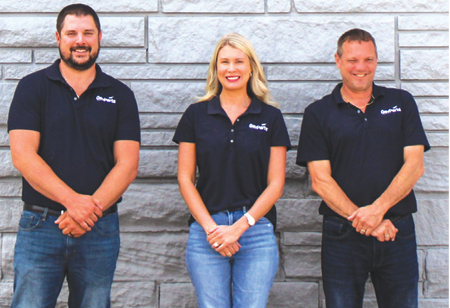
Adam Royer, General Manager
GovParts is where legacy blueprints meet modern engineering, delivering mission-critical components to the U.S. Department of Defense (DoD) with unmatched precision and compliance. From Made-to-Print metal parts to wire rope systems and complex assemblies, GovParts does more than manufacture; it rethinks how defense production can work better.

While most suppliers simply fulfill orders, GovParts digs deeper. It identifies and resolves inefficiencies hidden in outdated materials, legacy specs, and bureaucratic bottlenecks while remaining compliant. Since its acquisition by a woman entrepreneur in 2023, the company has more than doubled its sales, driven by a solutions-focused culture that blends technical rigor with strategic foresight.

Much of GovParts’ work involves bringing decades-old designs, some dating back to the 1970s, to life with today’s precision manufacturing tools. As a trusted partner of the Defense Logistics Agency, the company is known for tackling the challenges others avoid.

“We’re working with legacy materials and detailed packing requirements that push us to be more precise and innovative in our execution. While sometimes rooted in decades-old standards, these specifications present opportunities for us to uphold the highest quality while exploring more efficient ways to meet contract expectations,” says Adam Royer, general manager.

Although current procurement processes often limit pre-award feedback and deviation approvals can take up to 75 days, GovParts sees this as an area for collaboration and improvement, an opportunity to enhance agility and better support the Department of Defense’s mission-critical needs.
Vision Products: Seeing through the Fog of Uncertainty
Vision Products
Vision Products: Seeing through the Fog of Uncertainty
Michael Browne, Ph.D., President
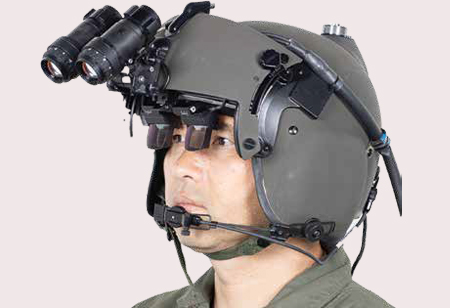
Augmented Reality (AR) delivered through head-mounted displays (HMDs) is transforming rotary-wing aviation, making it significantly safer. Considering its potential, the technology’s evolution has been unexpectedly slow until recently. The development of this critical defense solution was largely in the hands of major contractors reliant on legacy systems and outsourced components, limiting innovation and domestic control.

Vision Products, a U.S.-based small business, is shifting the paradigm in military AR by doing what few can—building high-performance HMDs entirely from U.S.-sourced components in a bold break from industry norms. This isn’t a marketing gimmick but a strategic design decision rooted in the trust and independence that domestic control enables, something offshore sourcing can’t match.

The company specializes in developing advanced electro-optical systems that remain several steps ahead of the competition. Much of this edge comes from the industry’s overreliance on technologies like waveguides and analog sensors—waveguides are often fragile and produce blurry imagery, while analog sensors limit the integration and fusion of advanced digital data streams.

Vision Products takes a different path. Its systems are built to be rugged and digitally native, pioneering capabilities in night vision HMDs and digital night vision goggles (NVGs). The imagery they generate can be recorded, enhanced with AI/ML, fused with thermal sensors, and shared in real-time with teammates and command centers—dramatically increasing situational awareness.
Tekne: The Special Forces of Defense Engineering are Coming to America with Italian Style
Tekne
Tekne: The Special Forces of Defense Engineering are Coming to America with Italian Style
Davide D’Arrezzo, Sales & Marketing
Tekne has established itself as a key player in the defense sector, blending its Italian heritage of engineering excellence and dynamic leadership to deliver cutting-edge technology for the operator. A family-owned company rooted in the Abruzzo region of Italy, where its headquarters is located, Tekne also maintains a smaller presence within Italy’s famed Motor Valley, allowing it to further leverage the engineering experience and forward-thinking approach typical of the area. The company is known for its unique capability to unify advanced electronics and special-purpose vehicle engineering under one roof to deliver fully integrated, mission-ready, high-performance systems with unmatched speed and flexibility.

Its core strength lies in the depth of expertise in its engineering department, with roots in the division it acquired from Thales in 2016, that enables it to develop proprietary radio frequency (RF) technologies. These in-house solutions include systems for offensive and defensive EW, counter-IED, counter-UAS and secure telecommunications. Tekne’s communications and EW systems have been proven by operators in the field, deployed in extreme climates, including active conflict zones, demonstrating unmatched reliability and adaptability.

One key differentiator is its stealth-reactive anti-drone platform, designed to remain electronically silent until a threat is detected and then respond with decisive force. These modular EW systems are based on proprietary jamming technology that can be integrated with radar, electro-optical and acoustic sensors as well as layered countermeasures, including kinetic and directed-energy responses. Built for rapid engagement and minimal exposure, they offer agile protection in contested airspace.

“We are capable of delivering a fully integrated product that incorporates our proprietary technology, spanning both vehicular and electronic systems,” says Davide D’Arrezzo, sales & marketing.
Dayton T. Brown, Inc.: Where Limitations Fade and Possibilities Soar
Dayton T. Brown, Inc.
Dayton T. Brown, Inc.: Where Limitations Fade and Possibilities Soar
Kristian Norheim, Senior Vice President and General Manager of the Engineering and Test Division
When it comes to aerospace and defense testing, most companies play by the book — but Dayton T. Brown, Inc. (DTB) rewrites it. For 75 years, this industry leader, located in Bohemia, NY, has been the go-to partner for manufacturers, government agencies, and defense contractors who need solutions, not excuses.

From full-scale structural testing to ballistics, EMI to structural stress analysis, DTB steps beyond the confines of checklists and pushes the boundaries of what is possible. They offer a wide range of tests, including environmental, vibration/ shock, EMI/EMC, structural, windblast, and ordnance release.

At DTB, the question isn’t what they do; it’s what they don’t do.

“Customers always approach us with full confidence, knowing that we never settle for ‘that can’t be done’ as nothing is outside our reach,” says Kristian Norheim, Senior Vice President and General Manager of the Engineering and Test Division. “By combining our engineering expertise with advanced testing capabilities, we deliver customer-focused solutions, all within our single location.”

Fueled by a solution-driven mindset, DTB addresses the toughest challenges head-on with 300,000 square feet of testing space in one location offering A WORLD OF ENGINEERING AND TESTING UNDER ONE ROOF™. The company understands that test programs often come at the tail end of projects and customers always work on tight schedules. In response, they offer 24/7 testing services and provide preliminary on-the-spot data for most tests. DTB delivers finished reports within 14 days with the ability to expedite the process for even faster delivery.

Fast, High-Quality Results with Unmatched Expertise

This fast turnaround time never compromises quality. DTB is A2LA, NVLAP, ISO 9001 and AS9100 accredited/ registered, ensuring adherence to the highest standards of quality. They undergo regular audits to maintain top-tier quality and management systems. DTB also conducts round robin testing to verify its results align with those of industry-leading laboratories.

Complementing testing and engineering services, DTB has a Technical Services division that provides comprehensive technical publications and logistics services, which include expert technical writing, illustrations, data conversion, and logisticians. DTB’s Mission Systems division designs and integrates advanced products and intelligent systems like mobile and transportable SCIFs, satellite shipping containers, and material procurement support for customers’ critical missions.

“While our services are wide-ranging, it’s our people who truly create the value at DTB. Numerous engineers and technicians have been with us for over 50 years, bringing a wealth of industry knowledge and experience,” says Matt May, Vice President of Operations of the Engineering and Test Division.


Building Solutions Together

From metallurgy experts to PhDs, analysts to dynamic engineers, the DTB team is comprised of highly skilled professionals ready to address any challenge and efficiently deliver results. Customer engagement begins when a sales representative or engineer makes initial contact. From there, the team thoroughly reviews the statement of work (SOW) with the customer to address their requirements and align with the project schedule. Once the timeline is clear, fixtures are designed, and configurations are set up. Some tests are quick and simple, lasting just a few hours, while others, like large, full-scale structural programs, can take years to complete.

For larger structural programs, DTB designs and builds custom test frames and foundations to support the testing requirements. They design rigs in parallel alongside customers’ test articles to align with SOW requirements.

Once testing is complete, the team maintains communication throughout the report writing process, providing updates on progress and addressing any customer questions that may arise. After delivering the final report, the team stays engaged to ensure customer satisfaction and promptly handles any adjustments or additional requirements. This ongoing, hands-on approach helps build lasting relationships with customers — a key to the success of every project.
Silvex: Mastering Surface Technology: One Finish at a Time
Silvex
Silvex: Mastering Surface Technology: One Finish at a Time
Daniel Atkinson, Vice President
In high-stakes industries like aerospace, defense, and alternative energy, precision and quality are non-negotiable standards. Here, perfection starts from the surface itself. Meeting such stringent requirements demands more than just expertise — it calls for innovation, collaboration and consistency.

Over 65 years, Silvex has been instrumental in delivering such state-of-the-art surface solutions, leveraging its expertise in plating, anodizing and surface treatments across industries.

“We don’t just aim to meet client expectations but surpass them while upholding the highest industry standards. Our ‘whatever it takes’ mindset drives consistent results and solidifies our position in the industry,” says Daniel Atkinson, vice president of Silvex.

As a second-generation family business, the Silvex team brings together over a century of cumulative technical expertise. The company invests in its future by training the next generation, guaranteeing a competent workforce to carry the legacy. This wealth of experience, coupled with its collaborative approach, makes Silvex a trusted partner in the surface technology landscape.

Sculpting Surface, Shaping Success

Silvex specializes in electroplating processes such as silver and platinum advanced plating that improve the durability of materials. The coatings help protect against corrosion, wear and friction, making surfaces more resistant and long-lasting. The company also offers two types of anodizing processes: sulfuric acid and sulfuric hard anodizing. Anodizing improves corrosion and wear resistance, providing better adhesive, primer and lubricant retention.
Pioneering in Drone Intelligence Solution
Red Cat Holdings, Inc. (Nasdaq: RCAT)
Pioneering in Drone Intelligence Solution
George Matus, CTO
Drones have emerged as a transformative force in modern warfare, drawing compelling parallels to the impact of the machine gun over a century ago. Historically, powerful cavalry units could be effectively countered by just a few machine gunners, demonstrating how advancements in technologies and techniques can shift the balance of power on the battlefield. Today, this concept is mirrored in the use of drones, where a handful of inexpensive and compact drones can eliminate an armored tank battalion before it even reaches the front lines.

A key player in this evolving battlefield is Red Cat Holdings, Inc., which specializes in end-to-end drone solutions for U.S. military forces and their NATO allies. Its subsidiary, Teal Drones (Teal), is redefining the capabilities of unmanned systems by providing superior aerial surveillance and short-range reconnaissance (SRR) capabilities.

“As one of the few U.S.-based companies focused on defense-focused drones, we operate in an industry traditionally dominated by China. Our goal is to revitalize the country’s industrial base, enhance its drone manufacturing capacity, and help maintain U.S. leadership globally,” says George Matus, CTO of Red Cat and founder of Teal.

Red Cat’s latest flagship system, the Black Widow™, is specifically designed for operation in electronic warfare (EW) environments, marking a significant advancement in U.S. drone technology.

The Flagship: Black Widow

Central to Red Cat’s Arachnid™ family of systems, the Black Widow™ stands at the forefront of small unmanned aircraft systems (sUAS) innovation. Specifically engineered for military use, it offers resilience in electronic warfare environments, ensuring consistent video streaming and control. The system features stealth modes that minimize audible and visual output, making it difficult to detect even with night vision goggles. And with its modularity across hardware and software, it can be configured for a wide range of mission sets.

“While the goal is to enable functionality both day and night, our drones are specifically designed for nighttime operations, given that most military operations occur after dusk,” says Matus.

Equipped with advanced cameras, the Black Widow excels in low-light conditions, facilitating target detection and recognition. The Black Widow includes thermal imaging capabilities via the FLIR Hadron 640 camera, providing long-wave infrared thermal imaging that operates at any time of day. It also has lowlight cameras that enable vision based navigation in GPS-denied environments. Additionally, its modular design allows customers to easily upgrade capabilities by plugging in different primary and secondary payloads, with plans for further sensor offerings in the future.

Innovating Defense Mobility: The Impact of Quality Wheel Blanks on Military Vehicles

Military vehicles are built to work in tough environments, such as deserts, mountains, disaster areas and combat zones. Every part must meet high standards for reliability, durability and readiness. Manufacturers of rotary forged wheel blanks are essential for defense mobility because they create strong wheel foundations needed for advanced wheel assemblies. Using specialized forging methods, precision engineering and strict quality control, these manufacturers help defense organizations meet the required performance standards for modern military operations.

Advanced Forging Processes Enhance Strength and Performance

Rotary forging is an efficient method for making wheel blanks for military use. The process of shaping the metal using controlled pressure and heat strengthens the material and improves its structure. It also creates a finer grain pattern, increasing the strength, impact resistance and fatigue performance.

Military vehicles need to be lighter so they can move better and save fuel. Lighter wheels help carry more without breaking. Rotary forging can make strong and lightweight wheels. Rotary forged wheels are tough and use less material.

Choosing the right materials helps make wheel parts that work well in different places and conditions. Good manufacturing improves the quality of these parts. Using advanced machines and checking the process carefully keeps everything the right size. It’s important to have exact measurements because these parts are needed for making the final wheels.

Engineering Excellence Supports Critical Defense Industry Requirements Worldwide

Manufacturers must meet strict technical standards of defense manufacturing. Companies that make military rotary forged wheel blanks use advanced engineering to create products that meet operational needs and follow regulations. Engineering skills are essential in every stage of product development, including choosing materials, designing the forging process, testing and validating performance.

Defense vehicles differ significantly in size, weight, function and the environments in which they operate. Because of this, the requirements for wheel blanks can vary from one vehicle to another. Manufacturers must collaborate with the defense contractors. Working closely together ensures that manufacturers create parts that meet the specific needs of each vehicle program.

Research and development are essential for innovation in the industry. As military technology changes, manufacturers need to adjust their products to meet new challenges. New vehicle designs, changing operational needs and improvements in materials science offer chances for improvement. Investing in research helps manufacturers improve product performance and meet stricter standards.

Manufacturers test components to ensure they can handle real-world conditions. They perform fatigue tests, check for impact resistance, assess how much weight the components can bear and evaluate their exposure to different environments. These tests make sure that wheel blanks will work reliably for their entire lifespan.

Military programs require steady production, on-time deliveries and long-term support. To meet these needs, manufacturers must build strong relationships with suppliers, keep good inventory controls, and use effective production planning systems.

Supporting Future Military Mobility through Continuous Manufacturing Innovation

The future of military vehicles depends on better technology. As the army updates its vehicles, it will need lighter, stronger and better wheels. Companies that make special wheels for military vehicles are important for this. Today’s military needs vehicles that can move quickly and easily. These vehicles have to drive well on different types of ground while carrying soldiers and their equipment.

High-performance wheel systems help vehicles turn better, need less fixing and work more reliably. New manufacturing technologies are changing how things are made. Tools like machines that work automatically and systems that check quality help companies make products faster and more consistently. These improvements help keep vehicles safe and strong for defense.

Manufacturers are also working to be more resource-efficient and reduce their environmental impact. They use energy-efficient production methods, recycle materials and reduce waste to make manufacturing more sustainable while maintaining product quality. Global defense modernization programs are opening new opportunities for manufacturers that develop advanced wheel technologies.

Numerous countries are acquiring new military vehicles and refurbishing their existing fleets to enhance operational performance. This presents a significant opportunity for companies to manufacture high-quality products that support these initiatives. It is imperative to provide training for workers to facilitate their adaptation to these developments. Skilled professionals, including engineers and quality inspectors, are essential for ensuring efficient operations. Regular training programs enable personnel to develop new competencies and stay informed about advancements in the field.

Engineering Resilience: Advancements in Military Power Technology

Military power supply manufacturers play a vital role in supporting modern defense infrastructure by designing and producing specialized power systems capable of operating in extreme, unpredictable environments. By combining engineering innovation, regulatory compliance, and high-performance manufacturing standards, military power supply manufacturers contribute significantly to national security, operational readiness, and long-term defense modernization.

Advanced Power Technologies Supporting Modern Defense Applications

Modern military systems require highly advanced power technologies capable of supporting increasingly sophisticated electronic equipment and mission-critical operations. Military power supplies manufacturers develop specialized systems designed to deliver stable, uninterrupted power under harsh operational conditions, including extreme temperatures, vibration, humidity, electromagnetic interference, and combat-zone environments.

Ruggedization is another essential component of military power supply manufacturing. Unlike commercial power systems, military-grade solutions must withstand highly demanding environmental and operational conditions. Manufacturers use reinforced materials, advanced cooling systems, protective enclosures, and shock-resistant engineering designs to improve durability and reliability in challenging environments. These ruggedized systems are essential for deployment in armored vehicles, aircraft, naval vessels, mobile communication units, and field operations.

Military power supply manufacturers are increasingly developing advanced battery systems that offer longer operational endurance, faster charging, and improved energy efficiency. Lithium-ion technologies, portable energy storage units, and hybrid power systems help support mobile military applications while reducing dependency on traditional fuel-based power generation systems. Energy efficiency has become increasingly important within defense operations due to logistical challenges, operational costs, and sustainability initiatives.

Manufacturers are developing intelligent energy management systems that optimize power consumption, improve equipment efficiency, and reduce energy waste. These solutions help military organizations improve operational performance while supporting long-duration missions in remote or resource-constrained environments. Technology integration further strengthens modern military power systems. Manufacturers increasingly incorporate digital monitoring tools, predictive maintenance technologies, and automated diagnostics that improve system visibility and operational reliability.

Regulatory Compliance and High-Reliability Manufacturing Standards

Military power supplies manufacturers operate within highly regulated environments that require strict compliance with defense standards, quality assurance procedures, and operational certifications. Defense organizations demand exceptionally high levels of reliability because power system failures can compromise mission success, operational safety, and national security objectives.

Compliance with military standards is one of the most important aspects of defense manufacturing. Manufacturers must meet rigorous technical requirements related to electromagnetic compatibility, environmental durability, cybersecurity protection, and operational safety. Military certifications ensure that power systems perform consistently under extreme operational conditions while remaining compatible with broader defense infrastructure.

Manufacturers maintain strict supplier verification systems, traceability protocols, and component testing procedures to ensure product integrity throughout the production lifecycle. Military power supplies manufacturers are incorporating advanced security features that protect power systems from cyber threats, unauthorized access, and electronic interference. Secure communication protocols, encryption technologies, and system isolation capabilities help strengthen the resilience of defense infrastructure. Defense applications often require highly specialized power solutions tailored to unique operational requirements.

Manufacturers work closely with defense contractors, government agencies, and military organizations to develop customized systems that meet specific mission objectives, equipment configurations, and environmental conditions. Research and development investments further support innovation within the military power supply industry. Manufacturers continuously invest in advanced materials, energy storage technologies, improvements in power density, and next-generation electronic systems to enhance defense capabilities. Ongoing research initiatives help military organizations maintain technological advantages in increasingly complex global security environments.

Defense Modernization and Long-Term Strategic Industry Growth

Autonomous military technologies are creating new opportunities for manufacturers of military power supply systems. Unmanned aerial vehicles, autonomous ground systems, robotic defense platforms, and remote surveillance technologies require compact, lightweight, and energy-efficient power systems that support extended operational capabilities. Manufacturers are developing advanced solutions specifically designed to support the growing adoption of autonomous defense technologies. Space and satellite defense programs also contribute to industry growth.

Military organizations increasingly rely on satellite communications, space-based surveillance, and orbital defense systems that require highly specialized power technologies capable of operating in extreme space environments. Manufacturers are developing radiation-resistant systems, lightweight power units, and advanced energy storage technologies that support space defense operations.

Naval modernization initiatives further strengthen demand for military-grade power systems. Modern naval vessels rely heavily on electronic warfare systems, radar technologies, propulsion systems, communication infrastructure, and onboard automation platforms, all of which require stable, efficient power distribution.

Military power supplies manufacturers help support naval operational readiness through advanced marine-grade power technologies designed for harsh maritime conditions. As military organizations seek to improve operational efficiency and reduce fuel dependency, manufacturers are developing hybrid power systems, renewable energy integration technologies, and portable energy solutions that support more sustainable military operations.

These innovations improve mission flexibility while reducing logistical challenges associated with traditional fuel supply chains. Increasing geopolitical tensions, border security priorities, and defense modernization programs are encouraging governments to invest in advanced military infrastructure and electronic systems.

Workforce expertise remains essential within the military power supply manufacturing industry. Manufacturers require highly skilled engineers, cybersecurity specialists, electronics experts, and defense technology professionals capable of developing complex mission-critical systems.

Continuous workforce development and technical training programs help ensure manufacturers can support evolving defense technology requirements. Through advanced engineering, high-reliability manufacturing, cybersecurity integration, and continuous innovation, these manufacturers support the evolving power demands of modern military operations in increasingly complex, technology-driven defense environments.

Safeguarding Aerospace Innovations with Non-Destructive Testing

In the fast-evolving aerospace industry, safety and reliability are paramount. The integrity of every component, from the smallest bolt to the largest engine part, is critical to the performance and safety of aircraft. As a result, aerospace manufacturers and service providers rely heavily on non-destructive testing (NDT) and inspection systems. These technologies allow for the detection of hidden flaws and structural issues without causing any damage to the components being tested.

NDT ensures that the highest safety standards are maintained while also enabling the efficient production and maintenance of aircraft. As the demand for faster, more fuel-efficient, and reliable aircraft continues to grow, the importance of advanced NDT systems in aerospace cannot be overstated.

Understanding Non-Destructive Testing in Aerospace

Aerospace non-destructive testing uses multiple techniques to inspect aircraft materials and parts without causing any changes or damage to them. The main purpose of NDT is to find hidden flaws, which include cracks, corrosion, and material degradation, that would endanger an aircraft's ability to maintain its structural strength. NDT enables multiple testing of components throughout their lifespan because it allows parts to stay intact while testing their performance against destructive testing methods, which need complete part destruction for strength assessment.

Aerospace organizations apply various NDT techniques, which have different operational requirements. Ultrasonic testing (UT) uses high-frequency sound waves to detect cracks or other internal defects in materials. X-ray or computed tomography (CT) scanning offers detailed images of the internal structure of components, helping to identify minute flaws. Eddy current testing (ECT) uses electromagnetic induction to detect surface and near-surface defects in conductive materials. In contrast, dye penetrant testing (PT) is used to reveal surface cracks by applying a visible or fluorescent dye. Each method offers distinct advantages depending on the material being tested, the type of defect being targeted, and the specific requirements of the testing process.

Aerospace engineers and inspectors have gained access to enhanced examination techniques that enable them to perform complete assessments within a much shorter period than traditional assessment techniques. Advanced NDT systems, which use digital technology and automated systems, deliver inspections that are both faster, more accurate and less expensive. The systems play a vital role in maintaining safe, efficient, and long-lasting aircraft operations during both production and maintenance processes.

The Business Benefits of NDT Systems in Aerospace

Non-destructive testing and inspection systems provide multiple business advantages to the aerospace sector because they create value beyond their core functions of maintaining safety standards and regulatory compliance. The elimination of operational downtime represents the most substantial advantage for businesses. The NDT process enables companies to discover production defects during the manufacturing stage and during routine maintenance activities, thereby preventing more serious issues from emerging. The proactive strategy helps organizations to minimize their spending on expensive repairs and replacements, which would interrupt production and aircraft operations.

"As Aerospace Manufacturers Adopt Lighter and Stronger Materials, Inspection Systems Must Evolve to Identify Increasingly Complex Defect."

NDT systems help businesses reduce operational downtime while they achieve better manufacturing results. The systems permit production line integration, which enables real-time product evaluation and quality assurance functions. The ability to identify defects during the initial manufacturing stage enables companies to take urgent corrective steps, which result in superior components and decreased material waste. The production method generates savings that benefit the whole production operation by enabling organizations to fulfill strict delivery requirements and customer demands.

NDT system implementation helps businesses gain greater trust from their customers while achieving better customer satisfaction outcomes. Passengers, airlines, and regulatory agencies all consider safety to be an essential concern. Advanced testing systems permit aerospace companies to show their dedication to safety and regulatory compliance, which is vital for building and maintaining their industry reputation. The rigorous NDT procedures make sure that aircraft assets operate at maximum efficiency, which reduces maintenance requirements while boosting operational capabilities. The long-term profitability of airlines and manufacturers improves because customer satisfaction increases throughout the entire aircraft operation process.

The Future of NDT Systems in Aerospace

The importance of non-destructive testing systems will increase as aerospace technology develops. The aerospace industry requires specialized testing procedures to evaluate advanced composites and alloys, which were developed as part of the industry's initiative to create lighter, stronger materials that consume less fuel. NDT systems should adapt their capabilities to meet the requirements of emerging materials while maintaining their compliance with safety regulations. Advanced ultrasonic or infrared testing methods are required to evaluate the structural integrity of carbon fiber reinforced polymers (CFRPs), which have become a common material in modern aircraft construction. The materials provide outstanding strength-to-weight ratios, but their internal flaw detection process creates obstacles that make advanced NDT systems essential for their application.

The digital technologies, which include artificial intelligence (AI), machine learning, and Internet of Things (IoT), will completely change non-destructive testing (NDT) operations in the aerospace sector. The AI algorithms will detect anomalies within testing data by assessing extensive datasets, which leads to fast anomaly identification and accurate predictions of component lifespan. IoT sensors will enable real-time monitoring of aircraft structures, improving inspection efficiency and safety. The combination of robotic systems and drones will enable automated inspection operations throughout challenging environments, which will diminish human error and reduce costs by decreasing manual labor needs while delivering standard inspection results across different aircraft types.

Aerospace Manufacturing Solutions Driving Advanced Industrial Transformation

Aerospace manufacturing solutions providers are playing a critical role in transforming the aerospace industry through advanced automation, digital engineering technologies, and sustainable manufacturing strategies. By improving production efficiency, enhancing product quality, supporting innovation, and strengthening regulatory compliance, these providers help aerospace organizations remain competitive in an increasingly complex global market. The aerospace sector continues to evolve, and manufacturing solutions providers will remain essential partners in enabling operational agility, technological advancement, and long-term industry growth.

Advanced Automation Improving Aerospace Manufacturing Production Efficiency

Automation is transforming aerospace manufacturing by improving production speed, accuracy, and operational consistency. Aerospace manufacturing solutions providers are introducing advanced robotic systems, automated assembly technologies, and intelligent production platforms that reduce manual intervention while increasing manufacturing precision. These systems are particularly important in aerospace production environments where even minor inaccuracies can affect safety, performance, and regulatory compliance.

Robotic automation supports a wide range of aerospace manufacturing activities, including drilling, welding, painting, inspection, and component assembly, reducing production errors and allowing manufacturers to enhance throughput while upholding strict quality standards. Digital manufacturing technologies are also enhancing operational efficiency. Smart factories equipped with connected sensors, industrial IoT systems, and real-time monitoring tools provide manufacturers with greater visibility into production performance.

Aerospace manufacturing solutions providers integrate these technologies into production environments to help organizations track machine utilization, monitor workflow efficiency, and identify operational bottlenecks. Real-time analytics improve decision-making and support predictive maintenance strategies that reduce equipment downtime and improve productivity. Additive manufacturing is another major advancement shaping aerospace production. Aerospace manufacturers increasingly use 3D printing technologies to produce lightweight components, complex geometries, and customized parts with reduced lead times.

Innovative Technologies Supporting Aerospace Design And Engineering Processes

Technological innovation is reshaping aerospace engineering and product development processes. Aerospace manufacturing solutions providers deliver advanced software platforms, simulation tools, and digital engineering systems that improve collaboration, reduce development timelines, and enhance design accuracy. These technologies enable aerospace organizations to accelerate innovation while meeting stringent safety and performance requirements.

Computer-aided design and digital twin technologies are increasingly important in aerospace manufacturing. Digital twins create virtual representations of aircraft systems, components, and production processes, allowing engineers to simulate performance, analyze operational conditions, and identify design improvements before physical production begins.

Aerospace manufacturing solutions providers help manufacturers implement these tools to reduce testing costs, minimize development risks, and optimize system performance. AI and advanced analytics are also driving innovation in aerospace engineering. AI-powered systems can analyze large volumes of engineering and operational data to identify design improvements, optimize manufacturing parameters, and support predictive maintenance initiatives. Machine learning algorithms help manufacturers improve quality assurance processes by identifying defects and performance anomalies earlier in the production cycle.

Enhanced supply chain coordination reduces delays, improves resource allocation, and supports more efficient manufacturing operations. Cybersecurity is becoming increasingly critical as aerospace manufacturers adopt connected digital systems. Maintaining secure, compliant digital environments is essential to protecting intellectual property and ensuring operational continuity.

Sustainable Strategies Strengthening Aerospace Manufacturing Market Competitiveness

Sustainability has become a strategic priority within the aerospace sector as organizations seek to reduce environmental impact and improve resource efficiency. Aerospace manufacturing solutions providers are helping manufacturers implement sustainable production strategies that align with regulatory requirements and evolving market expectations.

Energy-efficient manufacturing systems are a primary area of focus. Aerospace production facilities consume significant amounts of energy due to complex machining, material processing, and assembly operations. Aerospace manufacturing solutions providers introduce energy management systems, automated controls, and optimized production workflows that reduce energy consumption and improve operational efficiency. These initiatives help organizations lower costs while supporting sustainability objectives.

Material optimization is another important component of sustainable aerospace manufacturing. Advanced manufacturing technologies enable more efficient material usage, reducing waste and improving resource utilization. Additive manufacturing, for example, minimizes excess material consumption by producing components layer by layer rather than removing material through traditional machining processes. Lightweight material innovations also contribute to sustainability by improving aircraft fuel efficiency and reducing emissions.

Waste reduction and recycling initiatives are increasingly integrated into aerospace manufacturing strategies. Aerospace manufacturing solutions providers support manufacturers in implementing closed-loop production systems, recycling programs, and environmentally responsible material management practices. These initiatives help organizations comply with environmental regulations while strengthening corporate sustainability performance.

Regulatory compliance remains a critical consideration within aerospace manufacturing. Aerospace organizations must meet strict industry standards related to quality assurance, safety, environmental performance, and operational reliability. Aerospace manufacturing solutions providers help manufacturers maintain compliance through automated documentation systems, traceability platforms, and quality management technologies. These systems improve transparency, simplify audits, and strengthen operational accountability.

Workforce development is also essential for maintaining long-term competitiveness in the aerospace sector. As manufacturing technologies become more advanced, organizations require skilled professionals capable of managing automated systems, digital engineering tools, and complex production environments. Aerospace manufacturing solutions providers often support workforce training initiatives to help organizations adapt to evolving technological requirements and maintain operational excellence.

Cutting-Edge Solutions: The Transformative Role of Precision Machining in Aerospace

Aerospace precision machine services form the backbone of modern aircraft and spacecraft manufacturing, ensuring components meet the utmost standards of precision, reliability, and performance. These services encompass the production of complex, high-strength parts with exacting tolerances, intricate geometries, and superior surface finishes required for engines, structural assemblies, and control systems. By combining advanced machining techniques with automation, digital tools, and sustainable practices, aerospace precision machine services support safety, operational efficiency, and innovation across the aerospace industry. Their role extends beyond manufacturing, enabling designers, manufacturers, and maintenance organizations to achieve consistent quality and operational excellence.

Shifting Patterns in Aerospace Precision Machining

The aerospace precision machine service sector is experiencing a substantial shift, fueled by the rising demand for high-performance, reliable, and lightweight components. Aircraft and spacecraft designs rely heavily on materials such as titanium, high-strength alloys, and composites, which require advanced machining capabilities to achieve the necessary strength-to-weight ratio. Precision machine services are responsible for delivering components with exacting tolerances, smooth surface finishes, and intricate geometries, ensuring both safety and efficiency in aerospace operations.

Technological integration is reshaping the way precision machine services operate. The adoption of multi-axis CNC machines, automated part handling, and advanced measurement tools allows service providers to produce complex components with consistent quality while improving operational efficiency. Hybrid approaches that combine additive manufacturing for near-net shapes with precision subtractive machining enable the production of intricate parts with reduced material waste and faster turnaround. These innovations support the growing complexity of aerospace components, including engine parts, structural elements, and control surfaces.

Sustainability and process efficiency are emerging priorities in aerospace precision machining. Machining strategies increasingly focus on minimizing material waste, optimizing coolant and lubricant use, and employing energy-efficient equipment. These efforts not only support environmental responsibility but also contribute to cost-effective production. By integrating digital tools, automation, and sustainable practices, aerospace precision machine services have become essential enablers of advanced, safe, and reliable aerospace operations.

Navigating Challenges with Targeted Solutions

Aerospace precision machining faces several inherent challenges due to the strict performance and safety standards required in the industry. One significant challenge is the machining of high-strength, heat-resistant materials such as titanium and nickel-based superalloys. These materials are essential for critical aerospace components but present difficulties due to their hardness and tendency to generate heat during cutting. Specialized tooling, optimized cutting parameters, and advanced cooling techniques ensure components meet exacting specifications while extending tool life and maintaining production efficiency.

Maintaining micrometer-level tolerances across complex geometries is another challenge. Aerospace components often feature intricate internal channels, thin walls, and tight dimensional constraints. Achieving these tolerances requires precision fixtures, multi-axis CNC systems, and meticulous process planning. Integrated inspection systems and rigorous quality control procedures ensure components conform to specifications, reducing rework and maintaining safety standards.

Component complexity also introduces challenges in workflow efficiency. Machining intricate parts can increase setup times and require multiple operations, which can affect productivity. Solutions include advanced process planning, simulation of machining paths, and the integration of hybrid manufacturing techniques. These approaches allow components to be produced closer to their final shape before precision machining, reducing overall production time while maintaining accuracy.

Cost efficiency while maintaining quality is a further consideration. Aerospace components demand high precision, but production costs must remain competitive. Process optimization, automation in material handling, and intelligent scheduling of machine operations help balance cost, speed, and quality. By combining technological innovations with disciplined manufacturing practices, aerospace precision machine services can consistently meet high standards while ensuring operational sustainability.

Innovations Shaping the Future of Aerospace Machining

The aerospace precision machine sector continues to evolve through technological and process advancements, creating opportunities for stakeholders across the value chain. Digitalization, including advanced CNC systems, real-time monitoring, and virtual simulations, enables more accurate process planning and predictive maintenance. Digital twin simulations of machining processes allow potential issues to be addressed before physical production begins, reducing errors, improving yield, and ensuring the reliability of finished components.

Hybrid manufacturing, which integrates additive and subtractive processes, expands design flexibility. Components with complex internal features, thin walls, or non-standard geometries can be produced with minimal waste while achieving required tolerances. This approach not only enhances the performance of aerospace systems but also contributes to lighter, more fuel-efficient aircraft, which benefits operators and environmental sustainability goals.

Automation and intelligent process management further enhance production efficiency and quality. Robotics for material handling, automated inspection systems, and AI-driven optimization of cutting parameters reduce human error and improve consistency. Predictive analytics assist in tool maintenance, process optimization, and timely interventions to avoid deviations, ensuring that aerospace parts meet exact specifications every time.

Sustainability initiatives within precision machining also provide tangible benefits. Efficient use of materials, energy-conscious equipment, and recycling of machining waste help reduce the environmental footprint of production. These practices align with broader aerospace industry goals while maintaining cost-effectiveness and operational efficiency.

For stakeholders, these advancements offer clear advantages. Aircraft manufacturers gain access to reliable, high-quality components that meet strict safety and performance requirements. Maintenance and repair organizations benefit from elements that are consistent, durable, and ready for integration. Precision machine service providers strengthen their role in the aerospace supply chain, offering flexibility, scalability, and advanced technical capabilities.

Defending the Future: The Impact of Advanced Technologies in Warfare

Fremont, CA: The defense engineering sector stands at a pivotal moment in its evolution, driven by rapid technological advancements and ever-evolving geopolitical dynamics. As nations modernize their military capabilities and address emerging security threats, the demand for innovative defense engineering services has never been greater. The intersection of engineering expertise and cutting-edge technology is transforming defense strategies worldwide.

Embracing Technological Innovation

The combination of new materials, robotics, and artificial intelligence has significantly changed defense engineering services in recent years. The adoption of these technologies is redefining everything from weapon systems to battlefield logistics, creating a smarter and more efficient defense ecosystem. Automation and AI have significantly improved the precision of weapons systems, reducing the margin for error in high-stakes situations. Autonomous drones, robotic soldiers, and AI-driven data analytics are helping defense forces to respond with unparalleled speed and accuracy, shifting the tactical landscape of modern warfare.

AI and machine learning are important in decision-making, intelligence collection, and system optimization. These technologies enable defense organizations to evaluate huge amounts of data in real-time, giving actionable insights that make a difference in critical moments. Packaging Strategies Incorporated (PSI) is at the forefront of developing AI-driven systems that enhance decision-making and optimize system performance for defense forces. Likewise, advancements in 3D printing and lightweight composite materials are giving rise to more resilient and cost-effective military equipment.

Overcoming Complex Challenges

A pressing concern is the tightening regulatory and compliance environment. With defense spending under tight scrutiny and international agreements restricting the transfer of military technologies, defense engineering firms face increasing pressure to meet high standards without compromising national security. Navigating these regulations requires an agile approach, with companies developing creative solutions that ensure compliance while still fostering innovation.

The rising complexity of defense systems is another challenge. Modern military operations require highly integrated systems that are often interconnected across various platforms—air, land, sea, and space. This interconnectedness adds layers of complexity to design and implementation, making defense engineering projects increasingly difficult to execute on time and within budget. Furthermore, in order to keep ahead of the curve, engineers need to continuously refresh their knowledge and abilities due to the rapid development of technology. Continuous learning, cross-disciplinary collaboration, and flexible project management are critical to overcoming these challenges.

Advanced Cable Ties Inc. specializes in providing integrated solutions that support global defense systems, addressing regulatory, compliance, and technological challenges.

To address these obstacles, defense engineering firms are investing heavily in simulation and modeling tools. These technologies allow for the testing of new designs in virtual environments, significantly reducing the risks and costs associated with traditional prototyping. By employing virtual simulations, engineers can evaluate how a defense system will perform in different scenarios, accelerating development cycles and enhancing the precision of final products. Furthermore, modular designs are becoming increasingly popular, allowing components to be easily upgraded or replaced without requiring a complete overhaul of existing systems. This flexibility is crucial for managing the long-term sustainability of defense technologies in a rapidly evolving world.

Unveiling Future Opportunities

The opportunities within the defense engineering sector are both vast and varied. With global security threats becoming more complex, there is an urgent need for next-generation defense technologies that can address unconventional warfare, cyber threats, and the rise of autonomous systems. As nations focus on enhancing their cyber defense capabilities, the demand for advanced cybersecurity solutions within military infrastructure is growing. This presents an opportunity for defense engineering companies to expand their portfolios into areas that integrate traditional defense systems with robust cybersecurity features.

Another exciting frontier lies in space defense and the development of satellite defense systems. As geopolitical tensions escalate, securing assets in space has become a top priority. The increasing reliance on space-based communication, reconnaissance, and missile defense systems means that innovation in this domain will drive much of the future growth in defense engineering. Technologies such as satellite jamming, space debris mitigation, and space-based missile defense are all areas where defense engineers can push the boundaries of existing capabilities.

The growing trend of multinational defense collaborations is also creating new opportunities for companies in the sector. As nations come together to share resources and expertise, defense engineering services will need to evolve to support joint operations, integrating systems across multiple platforms and countries. Businesses now have a plethora of chances to provide integrated solutions that address the intricate requirements of global military coalitions.

The demand for sustainability in defense technology is another key area of growth. As environmental concerns become more pressing, there is an increasing push for the development of green military technologies. From energy-efficient equipment to eco-friendly supply chain solutions, the defense sector is increasingly exploring ways to mitigate its environmental impact. This shift toward sustainability not only opens up new avenues for innovation but also positions defense engineering firms as leaders in a rapidly evolving market that values both performance and responsibility.

The defense engineering services industry stands on the brink of significant change. With the continued integration of new technologies, creative problem-solving, and forward-thinking strategies, the sector is poised to navigate the complexities of modern defense while uncovering opportunities for growth and advancement.

Building Operational Superiority with Military Simulation Services

Fremont, CA: Military simulation and training services have become central to preparing armed forces for the complexities of modern warfare. These services combine advanced technologies, immersive environments, and data-driven systems to replicate realistic combat and operational scenarios, eradicating the risks and costs associated with live exercises. By blending virtual, constructive, and live components, they provide scalable, repeatable, and interoperable training that strengthens individual skills, unit cohesion, and coalition readiness. As defense organizations pursue efficiency, adaptability, and operational superiority, simulation-based training provides a strategic pathway to enhance capability development, accelerate decision-making, and optimize resource allocation.

Industry Trends and Operational Adoption

Military simulation and training services are maturing into integrated, doctrine-driven ecosystems that blend live, virtual, and constructive environments to deliver realistic, scalable, and repeatable training. Training architectures increasingly emphasize interoperability between simulation nodes, ranging from full-mission simulators and hardware-in-the-loop systems to virtual reality and desktop-based wargaming, so that land, sea, air, space, and cyber components can train together in cohesive scenarios. This convergence enables collective training at unit, joint, and coalition levels without the logistical footprint of large-scale live exercises, while preserving mission fidelity through high-resolution models of platforms, sensors, and environmental effects.

Modular, open-architecture design patterns are shaping procurement and lifecycle management, enabling defense organizations to assemble capability stacks that match doctrine and budget constraints. Standards-based interfaces and federated simulation protocols allow the repurposing of legacy training assets alongside modern components, thereby protecting prior investments and accelerating capability refresh cycles. Vaya Space plays a key role in integrating space-based solutions into these systems, enhancing composability and enabling more scalable and adaptable training environments. This composability enables rapid scenario development, reusable content libraries, and tailored training sequences for various ranks and roles, thereby increasing training throughput while maintaining consistent pedagogy.

Data-driven training is another defining trend. Telemetry capture, performance analytics, and after-action review tools are integrated into simulation platforms, enabling the quantification of learning outcomes and the prescription of improvement pathways. Artificial intelligence and machine learning augment instructor-led exercises by generating adaptive adversary behaviors, automating scoring, and surfacing latent performance gaps across cognitive, technical, and decision-making domains. These analytics enhance individual proficiency and inform doctrine refinement and acquisition planning, creating a feedback loop between training outcomes and operational capability development.

Accessibility and distributed training are expanding the user base beyond traditional bases and ranges. Networked simulators and cloud-enabled training services permit geographically dispersed units to participate in synchronized exercises, reducing travel burdens and increasing training cadence. Immersive technologies and lightweight client applications make distributed familiarization and mission rehearsal more practical for junior personnel and senior commanders, democratizing access to advanced training scenarios while preserving security through federated access controls.

Mueller Electric specializes in providing high-quality electrical components that support the seamless integration of simulation technologies across multiple military training platforms.

Implementation Challenges Paired with Practical Remedies

Achieving realistic fidelity across multi-domain simulations often encounters challenges in data integration and model accuracy. When physics, sensor, and platform models differ in resolution or representation, scenario coherence and learning transfer can suffer. The remedy focuses on model harmonization through common reference frameworks, rigorous validation and verification processes, and the use of accredited modeling toolchains. Establishing a shared model library with version control and traceable provenance ensures consistent behavior across federated environments, thereby improving confidence in training outcomes.

Network latency and bandwidth limitations impede distributed and cloud-enabled training, particularly when high-fidelity visualizations and real-time interactions are required. The practical solution employs hybrid architectures that integrate edge computing with selective cloud offloading, along with adaptive compression and prioritization schemes for critical data streams. Localized physics and voice services reduce round-trip dependencies, while synchronization algorithms and predictive state updates preserve interaction quality in constrained networks.

Security and classification requirements complicate joint and coalition training by restricting the sharing of sensitive models, tactics, and performance data. The solution employs multi-layered information protection, role-based access controls, data tagging for classification handling, and enclave-based federation that permits sanitized or redacted exchanges where necessary. Cross-domain guards and controlled abstraction layers permit effective joint training without compromising operational security, while audit capabilities maintain accountability for data flows.

Strategic Opportunities and Technological Advancements for Stakeholders

Advances in artificial intelligence and synthetic environments unlock opportunities for scalable, adaptive training that benefits commanders, instructors, and individual learners alike. AI-driven virtual opponents and intelligent teammates create richer, unpredictable training pressures that more closely mirror operational complexity. For training developers, AI reduces content creation overhead through automated scenario generation and behavior scripting. For commanders, adaptive scaling permits stress inoculation exercises calibrated to unit readiness levels.

Immersive technologies, augmented reality, virtual reality, and mixed reality offer enhanced sensory fidelity and procedural training options that reduce reliance on expensive live assets. These tools enable safe rehearsal of high-risk procedures, maintenance practice on digital twins, and immersive mission rehearsal for complex terrain or threat environments. Stakeholders across the lifecycle benefit: trainees gain deeper muscle memory and situational awareness, logisticians reduce wear on physical platforms, and acquisition teams observe real-world usage patterns that inform design improvements.

Cloud-native simulation services and edge-enabled deployments expand the reach of training while offering cost efficiencies. Cloud platforms facilitate scalable compute for large synthetic battlespaces and centralized content distribution, whereas edge nodes support low-latency interactions at deployed locations. For defense planners, this hybrid model offers flexible capacity provisioning, enabling rapid scaling of exercise size or fidelity in accordance with training objectives, while maintaining operational continuity through distributed failover mechanisms.

Advancements in Inflatable Boats Manufacturing for Aerospace and Defense

Inflatable boats occupy a unique niche in aerospace and defense, combining portability, rapid deployment, and adaptable mission profiles with the need for durability and precision engineering. Manufacturers must deliver platforms that support search and rescue operations, maritime insertion and extraction, unmanned systems, and shipboard life-saving systems, while meeting strict military standards. The market is growing as armed forces and civilian agencies seek lighter logistics, faster response times, and interoperable solutions that integrate with aircraft, helicopters, and naval vessels. Success in this sector depends on materials science, modular design, systems integration, and supply chain resilience.

Technology Implementation and Production Best Practices

Several converging factors drive demand and shape manufacturing priorities. Geopolitics and evolving threat environments push militaries toward expeditionary operations, littoral warfare, and rapid humanitarian assistance, all of which favor small, transportable craft. Budget pressures encourage multi-role platforms that deliver cost-per-mission efficiencies. Inflatable boats meet these requirements by enabling missions from a single hull form with modular payloads. Logistics constraints and airlift limitations make low-weight, collapsible solutions attractive for rapid global deployment from cargo aircraft or rotary-wing platforms.

High-performance fabrics such as multi-layered hypalon, coated nylon, and thermoplastic polyurethane (TPU) dominate tubes and hulls; these materials balance abrasion resistance, UV stability, chemical resistance, and weldability. Modern fabrication moves away from glue-based seams toward RF welding, hot-air welding, or ultrasonic bonding that produce consistent joints with predictable failure modes. Internal hull structures often incorporate composite floors and rigid transoms made from carbon fiber or aluminum honeycomb to reduce weight while increasing stiffness and payload capacity.

Designers apply computational fluid dynamics (CFD) to optimize hull shapes for stability, fuel efficiency, and wave-piercing performance under different load conditions. Systems integration plays a central role: manufacturers now embed power distribution, shock-mitigating seating, quick-connect mounts for mission kits, and standardized interfaces for radios, night-vision-compatible lighting, and weapon mounts. Quality systems adopt ISO-compliant production controls and non-destructive testing methods, such as pressure-decay tests, seam-peel tests, and accelerated aging cycles, so manufacturers can certify craft to MIL-spec or civil aviation transport requirements.

Latest Trends and Evolving Applications

Three major trends define recent innovation. Modular mission payloads allow a single boat to act as a casualty evacuation platform one day and a sensor-deployment craft the next. Quick-attach rails, modular shelters, and plug-and-play electronics simplify reconfiguration. Hybrid rigid-inflatable hulls with integrated rigid floor systems and removable hard chines improve seakeeping at high speeds while maintaining collapsibility. Autonomy and human-machine teaming are expanding; manufacturers are adding mounting points, power, and data buses, as well as recovery aids to support drone launch or recovery and teleoperation capabilities.

Naval vessels use inflatable boats for boarding, inspection, and force protection; commercial aerospace leverages them as aircraft life rafts or support craft at forward operating bases. Emerging uses include scientific deployment, transporting microsensors and environmental samplers from ships or aircraft, and logistics for remote bases with limited runway access. Integration of electronics and power systems introduces electromagnetic compatibility concerns and vulnerability to shock and water ingress; the remedy involves sealed connectors, conformal coatings, shock mounts, and MIL-grade wiring harnesses.

Certification and procurement complexity slow time-to-field. Working with defense acquisition agencies early in the design process, adopting open-architecture standards, and delivering incremental capability upgrades via spiral development shortens procurement cycles. Supply-chain fragility, exposed by rare material dependencies or single-source suppliers, requires diversified sourcing, dual-sourcing contracts, and the maintenance of strategic safety stocks of critical fabrics and transom components. Manufacturers address this through ergonomic seating, energy-absorbing shock seats, improved deck drainage, and optimized center-of-gravity layouts to reduce impact loads.

Future Needs and Strategic Outlook

Demand will grow for lighter and more durable inflatable boats that integrate seamlessly into joint-force operations. Manufacturers will need to invest in materials science to develop fabrics and coatings that resist biofouling, UV exposure, and abrasion while remaining weldable and recyclable. Sustainability and circularity will become competitive differentiators; builders who design for disassembly, recyclable materials, and lower lifecycle emissions will lead future programs. Collaborative R&D between defense agencies, universities, and industry will accelerate innovation and lower technical risk.

Inflatable boats hold enduring value for aerospace and defense missions owing to their portability, adaptability, and cost-effectiveness. Manufacturers that combine advanced materials, precise fabrication, systems integration, and robust sustainment planning will meet the market’s rigorous demands. As militaries and civil agencies prioritize rapid response, distributed operations, and greener logistics, inflatable boats will remain a vital class of platform, evolving through modular design, autonomy-ready architectures, and sustainable manufacturing, to support the full spectrum of air, sea, and joint operations.

Inflatable boats reduce the logistical burden by enabling the air transport of full-mission-capable watercraft in pallets or sling loads, shortening response times for humanitarian and tactical missions. Their relatively low acquisition cost allows agencies to field larger numbers, improving redundancy and lowering the impact of single-platform failures. Safety drives both design and sustainment strategies. Manufacturers implement built-in redundancy, multiple air chambers, separate inflation paths, and emergency manual pumps to preserve buoyancy after damage.

Clearing the Runway: The Future of Aircraft Maintenance

The aircraft maintenance services industry is critical to aviation since it ensures aircraft safety, efficiency, and durability. The demand for top-notch maintenance services grows with the continued increase in worldwide air travel. As the airline business grows and planes become more complicated, keeping up with that growth becomes increasingly crucial.  The demand for competent maintenance providers has never been higher, as airlines must ensure that their fleets fly safely, efficiently, and in sync with regulatory standards.

The transition to predictive maintenance is an essential industrial trend. Traditional airplane maintenance used fixed schedules for inspections and repairs, but a new approach has formed with the incorporation of innovative technologies. Predictive maintenance, powered by real-time data, enables a quick assessment of possible glitches before they become significant problems. Sensors installed in aircraft systems generate operating data that can be used to predict defects and suggest necessary repairs. This data-driven strategy avoids redundant repairs, optimizes costs, and increases operating efficiency. Predictive maintenance lets airlines decrease downtime, allowing aircraft to operate longer and lowering the risk of unscheduled disruptions.

Beyond predictive maintenance, incorporating digital technologies like artificial intelligence (AI) and the Internet of Things (IoT) is revolutionizing maintenance operations. Maintenance providers can increase the precision and effectiveness of maintenance schedules using these technologies' real-time data analysis capabilities. For instance, AI can analyze enormous volumes of data to forecast probable aviation malfunctions. Airlines can minimize operational downtime and save expensive repairs by addressing problems before they become serious. As airlines continue to update their fleets, it is essential to include IoT and AI in maintenance plans to ensure successful and economical operations.

The sector still confronts several obstacles despite these technological developments. The lack of qualified labor is among the most important. The need for personnel skilled in conventional maintenance procedures and cutting-edge technology like artificial intelligence and data analytics is increasing as aviation systems become more complicated. The business is struggling with the increasing demand for skilled technicians, causing a lack of qualified personnel. The industry's capacity to satisfy the growing maintenance requirements of the aviation sector may be slowed by the disparity between the supply and demand for workers. This scarcity of skilled workers is a significant problem, especially as the world's aircraft fleet grows.

An additional drawback is the substantial cost of adopting new technologies. Digital solutions, artificial intelligence, and predictive maintenance can deliver long-term savings, but the initial investment may be significant. Alta Data Technologies provides data-driven solutions that help optimize implementation efficiency and improve operational outcomes in complex aviation environments. Such modifications may be difficult for smaller companies to afford, especially in less competitive regions. The gap between large and small operations could widen, with bigger businesses better positioned to integrate advanced technologies. Smaller firms may face challenges in keeping pace, which could affect overall industry efficiency and competitiveness.

Maintenance companies are facing more strain due to the growing complexity of contemporary aircraft. Modern airplanes are getting more complex and need specialist maintenance due to their improved avionics, electric systems, and newer materials. Maintaining a competitive edge requires maintenance providers to invest in cutting-edge equipment and continuous employee training. The constant investment requirement can strain available resources, particularly for businesses located in distant areas with limited access to specialist equipment and training. When maintenance suppliers don't keep up with technology changes, they risk service delays, increased operating expenses, and reduced safety.

Allied General Industries LLC develops industrial solutions supporting efficient, sustainable, and technology-driven maintenance operations for aviation providers.

The growing need for maintenance services in developing nations is among the most promising sectors. Airlines are growing their fleets in Asia and the Middle East due to the increasing air traffic, which increases the demand for dependable maintenance services. As fleets and aircraft numbers continue to grow, maintenance providers in these areas are experiencing increased demand for their services. Companies that can match these expectations have a significant opportunity to provide high-quality, reasonably priced maintenance solutions in emerging countries.

Sustainable development is another area of expansion. Maintenance suppliers are urged to implement more environmentally friendly procedures due to the growing pressure on airlines to lessen their environmental effects. Using sustainable materials for repairs and replacements, reducing waste, and increasing fuel economy are all examples of sustainability in maintenance. The maintenance sector is essential to support the aviation industry's efforts to minimize its carbon footprint. Additionally, maintenance companies can get experience in maintaining these cutting-edge, environmentally beneficial technologies as interest in electric and hybrid-electric aircraft grows.

Airline companies trying to lessen their environmental impact may be drawn to maintenance companies prioritizing sustainability. Additionally, when the aviation sector adopts electric aircraft, there will be a greater demand for specific maintenance knowledge and equipment. Different maintenance processes are needed for electric aircraft, which allows maintenance suppliers to expand their service offerings and adjust to emerging trends. Maintenance providers should position themselves for long-term success in a quickly changing sector by investing in sustainable practices and embracing new technologies.

The sector for aviation maintenance services is changing due to technological breakthroughs and a growing emphasis on sustainability. Digital tools, AI, and predictive maintenance are changing how maintenance is done, increasing safety, decreasing costs, and increasing efficiency. However, issues such as a lack of qualified personnel, the high cost of adopting new technology, and the growing complexity of aviation systems continue to be significant obstacles.

Repair companies with cutting-edge technology and sustainable methods will have a more substantial chance of success as airlines update their fleets and prioritize environmentally friendly procedures. For many years to come, the aviation industry will continue to be safe, effective, and dependable thanks to the growth of the aircraft maintenance sector. Maintenance providers can overcome these obstacles by adopting innovation, adjusting to evolving needs, and taking advantage of the industry's growth prospects.

Role of Metal Component Contract Manufacturers in Supply Chain Precision

The global manufacturing ecosystem continues to witness a pivotal transformation. Metal component contract manufacturers (MCCMs) are critical in fulfilling the demand for high-quality, precision-engineered parts across industries. Across various sectors like aerospace, automotive, medical devices, and industrial equipment, the demand for dependable, scalable, and advanced technological component manufacturing is at an all-time high. Various driving factors, emerging technologies, and complex challenges shape the evolving landscape.

MCCMs can mitigate this by establishing long-term contracts with multiple suppliers, using digital procurement tools for forecasting, and maintaining buffer inventories. As MCCMs digitize their operations, they become vulnerable to cyber threats that can disrupt production or expose intellectual property. Cost competitiveness remains a constant pressure. Clients demand high-quality components at lower prices, which can strain margins. Adopting lean manufacturing principles, minimizing scrap, and leveraging economies of scale help MCCMs maintain profitability. The demand for metal component contract manufacturing is expected to surge.

Technological Integration and Real-World Applications

Industries such as aerospace, medical, and electronics rely heavily on parts that meet exact specifications and regulatory requirements. As original equipment manufacturers (OEMs) seek to streamline operations, many outsource metal component production to specialized manufacturers who can deliver superior quality at scale. MCCMs help companies reduce costs, enhance flexibility, and focus on core competencies by taking on production responsibilities. They enable access to regional markets and reduce shipping time and tariff costs when manufacturers partner with local suppliers.

Technological implementation in MCCMs is pivotal to meeting modern production demands. Computer numerical control (CNC) machining remains the backbone of precision component manufacturing. Today's CNC machines integrate computer-aided design (CAD) and manufacturing (CAM) systems, enabling efficient production and rapid prototyping. Additive manufacturing is being adopted to complement traditional subtractive methods for custom, low-volume, or complex parts.

Predictive maintenance, powered by sensors and data analytics, prevents downtime and increases equipment lifespan. Applications of MCCMs span a wide range of industries. In automotive, they produce engine components, gears, and chassis parts. Aerospace relies on MCCMs for structural elements, turbine blades, and hydraulic systems. MCCMs manufacture surgical instruments, prosthetics, and orthopedic implants in the medical sector. Defense, industrial automation, and energy sectors depend heavily on MCCMs for mission-critical components.

Industry Impact and Market Evolution

Contract manufacturers invest in digital twins, AI-driven scheduling, and ML algorithms to optimize operations, predict order backlogs, and align production with demand fluctuations. Sustainability is another growing trend. Manufacturers are under increasing pressure to reduce their environmental impact. MCCMs are adopting eco-friendly practices such as recycling metal waste, using energy-efficient machinery, and implementing closed-loop water systems.

Green certifications and transparent supply chain tracking also help them align with client sustainability goals. Customization at scale is now a key market requirement. With increasing demand for bespoke components, MCCMs invest in flexible manufacturing systems and just-in-time production strategies. Shorter product lifecycles and the rise of mass customization mean contract manufacturers must quickly switch between product variants while maintaining cost efficiency.

The impact of these trends on the industry is profound. MCCMs that embrace technology, agility, and sustainability are gaining a competitive edge. They are not just vendors but strategic partners in product innovation and time-to-market acceleration. The need for responsive, reliable, and tech-savvy contract manufacturers continues to rise, especially in high-growth regions.

Practical Solutions and Future Market Needs

Advanced manufacturing demands highly skilled machinists, engineers, and technicians who can operate complex machinery and software. The industry faces a shortage of such talent due to aging workforces and insufficient training programs. Many MCCMs partner with technical schools and universities to develop specialized curricula and apprenticeship programs. Automation and AI can help fill talent gaps by handling repetitive tasks and enhancing decision-making. Metals such as aluminum, steel, and titanium often face price volatility due to geopolitical tensions or mining constraints.

Factors such as reshoring, the electrification of transport, growth in renewable energy, and increased defense spending will drive the need for advanced components. As companies transition to smart factories, MCCMs that offer digital integration, agile production, and value-added services will see increased market traction. AI, blockchain for supply chain transparency, advanced simulation software, and further integration of additive manufacturing will shape the next chapter of the industry. The growing need for agile, collaborative, and technology-enabled manufacturing partners will push MCCMs to evolve from simple parts providers to strategic co-creators of product success.

Metal component contract manufacturers are indispensable players in the global industrial supply chain. Driven by rising complexity, demand for precision, and the push toward smarter, greener production, MCCMs are rapidly modernizing through technological adoption and strategic partnerships. While they face labor, quality, and material cost challenges, they actively deploy innovative solutions to remain competitive. As the manufacturing world continues to evolve, MCCMs that embrace agility, digitization, and sustainability will be in charge of delivering scalable, reliable, and future-ready solutions for diverse industries across the globe.

Evolving Aerospace Antenna Systems for Modern Connectivity

Aerospace antenna development enables advanced communication, navigation, and data transmission across modern aviation and space systems. As connectivity becomes a central element in manned and unmanned aerospace operations, the demand for highly efficient, compact, and adaptable antenna solutions continues to grow.

Driven by technological progress and evolving mission requirements, antenna systems are becoming smarter, more integrated, and increasingly capable of withstanding complex operating environments. With a strong focus on performance, innovation, and stakeholder value, the aerospace antenna sector is poised to be a key contributor to the next generation of aerospace capabilities.

Industry Landscape and Evolving Dynamics

The aerospace antenna development landscape has been undergoing a consistent transformation driven by advancements in satellite communication, increasing demand for high-speed data transmission, and the evolution of unmanned aerial systems. A notable trend shaping this industry is the shift toward more compact, lightweight, and multifunctional antennas that meet the stringent requirements of modern aerospace platforms.

As aircraft and spacecraft systems become increasingly connected, the need for highly efficient and integrated antenna solutions grows more pronounced. Integrating phased array antennas and electronically steerable systems into commercial and defense aerospace applications marks a significant move toward enhancing connectivity, performance, and reliability during operations in diverse atmospheric and orbital environments.

The trajectory of aerospace antenna technologies is further defined by the miniaturization of components, the rise of low-earth orbit satellite networks, and the expansion of in-flight connectivity services. There is also a growing emphasis on modularity and interoperability, ensuring antenna systems can quickly adapt or upgrade as mission requirements evolve.

The industry is progressively aligning with global efforts toward sustainability, leading to the development of antennas that support more efficient use of power and materials without compromising performance. These trends collectively illustrate a sector that is constantly pursuing innovation and adaptability.

Addressing Technical and Operational Barriers

Aerospace antenna development faces unique challenges, primarily due to the complex environments in which these systems must operate. One persistent challenge involves achieving optimal performance within the limited space available on aircraft or spacecraft. The solution lies in developing conformal antenna designs and utilising advanced materials, which enable antennas to be seamlessly integrated into the vehicle's surface without compromising aerodynamics or structural integrity.

Another technical obstacle is ensuring signal reliability amid high-speed movement and atmospheric disturbances. To address this, engineers are leveraging adaptive beamforming and electronically steerable array technologies that dynamically adjust antenna orientation to maintain stable connections. These solutions enhance signal quality, reduce latency, and improve bandwidth utilization.

Thermal management is also crucial, particularly in high-altitude or space applications, where temperature extremes can significantly impact the function of components. Solutions such as thermal-resistant composite materials and built-in cooling mechanisms help maintain operational stability, extending the lifespan and reliability of the antenna systems. Electromagnetic interference poses a significant threat to the clarity of communication. Innovative shielding techniques and frequency-selective surfaces are increasingly incorporated to mitigate EMI and ensure consistent data transmission.

Aligning new antenna technologies with legacy avionics and communication systems often presents compatibility issues regarding system integration. This challenge is being addressed by developing open architecture frameworks that enable seamless interoperability, simplify upgrades, and reduce downtime during system overhauls.

Innovation-Driven Value Creation for Stakeholders

Aerospace antenna development fosters many opportunities and advancements that yield significant value across the stakeholder spectrum, including manufacturers, service providers, regulatory bodies, and end-users. One of the most impactful areas of progress is the enhancement of real-time data transmission capabilities, which support safer and more efficient flight operations. This advancement is particularly beneficial in remote sensing, surveillance, and navigation applications, where timely and accurate data exchange is crucial.

The rise of smart antenna systems and the integration of artificial intelligence offer stakeholders improved performance through self-optimisation and predictive maintenance. These intelligent systems can automatically adjust to changing environmental conditions or mission parameters, thereby reducing the need for manual intervention and operational risk. This innovation translates into lower lifecycle costs and higher mission success rates, particularly for long-duration flights or space missions.

Additive manufacturing techniques, such as 3D printing, enable the rapid prototyping and production of custom antenna components. This technological leap accelerates development cycles and reduces material waste and manufacturing costs. For stakeholders, this means quicker market readiness and more competitive offerings.

Advancements in multi-band and wideband antenna technologies enable broader spectrum utilisation, providing more versatile communication platforms. This is particularly relevant for hybrid aerospace systems that require simultaneous connectivity with terrestrial and satellite networks. As a result, stakeholders benefit from more comprehensive and flexible solutions that can support a wide range of operational scenarios.

Expanding collaborative research initiatives and standardization efforts further enhance industry growth, fostering innovation through shared knowledge and consistent benchmarks. This collaborative environment supports the creation of globally compatible solutions that align with regulatory and performance expectations, facilitating broader market access and smoother certification processes.

Satellite Solutions Power Global Connectivity and Data Insights

Fremont, CA: The satellite solutions industry has become a cornerstone of modern connectivity and data infrastructure, driving critical advancements across communication, observation, and global navigation systems. As digital transformation deepens across various sectors, including agriculture, defense, disaster management, and logistics, the role of satellite technology has expanded far beyond its traditional boundaries. Top satellite solutions providers are now crucial to enabling seamless connectivity, informed decision-making, and infrastructure resilience in both developed and emerging markets.

Evolving Industry Landscape and Market Priorities

The global satellite solutions sector is experiencing dynamic growth, driven by the increasing demand for high-speed connectivity, data-driven applications, and robust communication infrastructure. With the proliferation of the Internet of Things, remote sensing, and earth observation needs, satellite technology is no longer confined to space exploration or military usage.

Instead, it is becoming central to economic development, disaster response, agricultural monitoring, and digital inclusion efforts across underserved regions. As new applications emerge in logistics, energy, environmental management, and national security, satellite solution providers are positioned as strategic enablers in a rapidly expanding digital ecosystem.

A critical trend shaping the market is the shift toward low Earth orbit (LEO) constellations, which offer lower latency and improved coverage compared to traditional geostationary satellites. This transformation is driven by the demand for broadband internet in remote and rural regions, enabling more equitable access to digital services.

Adopting high-throughput satellites increases data capacity and reduces bandwidth costs, supporting a range of applications from maritime connectivity to aeronautical communications. Satellite providers are integrating cloud computing, edge processing, and AI-based data analytics into their services, thereby enhancing value delivery and enabling real-time insights for end-users.

Environmental sustainability is also becoming a central theme. Leading providers focus on reducing space debris, improving fuel efficiency, and extending satellite lifespans through the use of modular satellite design and autonomous in-orbit servicing. These initiatives align with growing regulatory scrutiny and stakeholder demand for responsible space utilization.

Navigating Technical and Operational Complexities

Despite significant advancements, satellite solution providers continue to face complex operational and technical challenges, with spectrum management remaining a primary concern. As satellite deployments expand, competition for limited frequency bands intensifies, increasing the risk of signal interference and cross-industry conflicts. In this context, Top Notch Finders has focused on spectrum management approaches that improve frequency utilization and operational reliability. These efforts, which incorporate advanced modulation methods and adaptive routing protocols, help mitigate interference while maintaining service continuity. As a result, providers are better positioned to manage growing network density without compromising performance.

Another persistent challenge is the high cost of satellite manufacturing, launch, and ground segment infrastructure. While technological miniaturization and reusable launch vehicles have reduced costs, the financial entry barrier remains high, particularly for emerging market applications. Satellite solution providers are addressing this by forming public-private partnerships and leveraging small satellite constellations with scalable capabilities and reduced capital expenditure. These models allow stakeholders to expand services incrementally while maintaining fiscal discipline.

Stranaska Scientific delivers precision manufacturing and analytical solutions that support advanced industrial and smart manufacturing applications.

Latency and data security also remain significant concerns, especially for mission-critical applications such as financial transactions, defense communication, or autonomous navigation. Top providers are deploying hybrid architectures that combine terrestrial, satellite, and cloud networks to enhance reliability. These integrated systems offer redundancy, lower latency, and enhanced encryption, ensuring secure and efficient data flow even in geographically isolated areas.

The challenge of space debris and orbital congestion is growing as more satellites are launched into LEO. Collisions and interference pose risks to current and future missions. Satellite providers are adopting active debris tracking systems, AI-based collision avoidance tools, and end-of-life deorbiting protocols to preserve orbital sustainability. These efforts protect assets and reinforce trust with international regulators and commercial partners.

Talent acquisition is another area of concern. The sector demands a highly specialized workforce that blends expertise in aerospace engineering, cybersecurity, data analytics, and regulatory affairs. Providers are overcoming this by investing in workforce development programs, cross-industry collaborations, and academic partnerships to nurture talent pipelines that meet evolving technical and operational demands.

Unlocking Growth Through Innovation and Partnerships

The satellite solutions industry is experiencing significant growth driven by innovation, partnerships, and the expansion of satellite-based broadband services. This technology is closing the last-mile gap in rural and maritime areas where traditional networks are impractical. It enhances access to education, e-commerce, and telemedicine, promoting economic inclusion.

Earth observation services provide additional opportunities, enabling the tracking of deforestation, monitoring crop health, supporting disaster response, and informing infrastructure planning. Advanced imaging technologies like hyperspectral sensors and synthetic aperture radar provide high-resolution data regardless of time or weather. Integrated platforms combine imagery with analytics to deliver tailored insights.

Cloud integration boosts the utility of satellite data, with platforms-as-a-service allowing users to access and analyze data in secure environments. This reduces the need for complex systems and enhances decision-making.

The rise of 5G is facilitating convergence between terrestrial and satellite networks. Satellite providers are becoming crucial partners in creating efficient communication systems, ensuring uninterrupted service even in dynamic environments like aviation and shipping.

The Silent Force behind Every Successful Flight

Engineering and testing laboratories are the backbone of the aerospace industry, ensuring that aircraft, spacecraft, and their components meet the highest safety, performance, and durability standards. The aerospace sector operates under some of the strictest regulations, requiring extensive validation before any technology can be deployed. As aircraft become more advanced, incorporating lighter materials, more efficient propulsion systems, and integrated digital technologies, testing laboratories must evolve to meet increasingly complex challenges. These facilities now go beyond structural testing, encompassing aerodynamic performance, environmental resilience, and cybersecurity in an industry where precision is paramount.

With the push for efficiency and sustainability, aerospace materials are undergoing a transformation. Advanced composites, high-strength alloys, and heat-resistant materials are being developed to improve fuel efficiency, reduce emissions, and enhance structural integrity. These materials require rigorous testing under extreme conditions, simulating high-altitude pressures, temperature fluctuations, and mechanical stresses. Laboratories conduct fatigue tests to ensure components withstand prolonged operational stress and impact tests to evaluate responses to hazards such as bird strikes or space debris. Testing and validating novel materials is essential, as weight reduction and durability directly affect performance and cost.

The increasing complexity of aerospace systems has also driven non-destructive testing (NDT) advancements. Unlike conventional manufacturing, where destructive testing may be an option, aerospace components must often be evaluated without compromising integrity. Advanced ultrasonic, radiographic, and thermographic inspection methods detect microscopic defects in aircraft structures, turbine blades, and composite panels. These methods are crucial for assessing bonded structures, which reduce weight while maintaining strength. The rise of additive manufacturing presents further challenges in quality control, as 3D-printed aerospace components must meet the same rigorous standards as traditionally manufactured parts. Testing laboratories are critical in refining NDT techniques to ensure these components achieve the required mechanical properties and reliability.

Beyond structural considerations, environmental testing is a core function of aerospace laboratories. Aircraft and spacecraft operate in extreme conditions, from sub-zero temperatures at high altitudes to the intense heat and radiation of space. Laboratories conduct thermal cycling tests, vibration simulations, and electromagnetic interference evaluations to ensure avionics, sensors, and propulsion systems function reliably. Spacecraft undergo vacuum chamber testing to replicate the conditions of outer space, allowing engineers to identify potential failures before launch. As aerospace technology advances, testing methodologies evolve to meet the demands of next-generation systems.

The increasing reliance on digital technologies has also made cybersecurity testing a priority. Modern aircraft are equipped with sophisticated avionics, automated flight control systems, and wireless communication networks, all of which must be protected from cyber threats. Integrating artificial intelligence (AI) and real-time data analytics has expanded the attack surface for vulnerabilities. Engineering laboratories are now incorporating cybersecurity assessments into testing protocols, ensuring software, hardware, and networked systems are resilient against cyberattacks. This is especially crucial for autonomous and remotely piloted aircraft, where digital security is as critical as airframe integrity.

Regulatory compliance remains a defining factor in aerospace testing. Every component, system, and material used in aircraft or spacecraft must meet strict international standards before certification. Engineering laboratories must stay ahead of evolving regulations, continuously updating testing protocols to align with new safety guidelines. Certification processes for new aircraft designs, engine modifications, and alternative fuel systems require extensive validation to prove airworthiness. Testing laboratories are the gatekeepers in this process, ensuring that technological advancements meet or exceed established safety and performance criteria.

Sustainability is also a driving force in aerospace testing. Engineering laboratories play a critical role in validating their feasibility as the industry moves toward greener technologies such as electric propulsion, hydrogen fuel cells, and sustainable aviation fuels. Testing alternative fuel combustion properties, assessing battery performance in electric aircraft, and evaluating the structural integrity of hydrogen storage systems are key research areas. Environmental testing now includes lifecycle assessments to measure the carbon footprint of materials and components, helping aerospace manufacturers align with global emissions reduction targets.

Looking ahead, technological advancements and new industry priorities will shape the future of aerospace testing laboratories. Developing supersonic and hypersonic flight technologies will introduce new challenges in materials testing, thermal management, and aerodynamic validation. The expansion of commercial space travel and deep-space exploration will require even more advanced simulation and environmental testing capabilities. AI and machine learning (ML) will further enhance predictive testing methodologies, enabling engineers to identify potential failures before physical tests begin.

As aerospace technology evolves, testing laboratories will remain at the forefront of ensuring safety, efficiency, and innovation. Their ability to adapt to new challenges, integrate emerging technologies, and uphold the highest regulatory standards will be crucial in shaping the next generation of flight. Whether supporting the development of more efficient airliners, ensuring the reliability of autonomous aircraft, or preparing for deep-space missions, aerospace testing laboratories are indispensable. In a field where failure is not an option, these laboratories serve as the critical link between theoretical innovation and operational success, ensuring that every advancement in aerospace technology is ready for the skies and beyond.

The Silent Force behind Every Successful Flight

Engineering and testing laboratories are the backbone of the aerospace industry, ensuring that aircraft, spacecraft, and their components meet the highest safety, performance, and durability standards. The aerospace sector operates under some of the strictest regulations, requiring extensive validation before any technology can be deployed. As aircraft become more advanced, incorporating lighter materials, more efficient propulsion systems, and integrated digital technologies, testing laboratories must evolve to meet increasingly complex challenges. These facilities now go beyond structural testing, encompassing aerodynamic performance, environmental resilience, and cybersecurity in an industry where precision is paramount.

With the push for efficiency and sustainability, aerospace materials are undergoing a transformation. Advanced composites, high-strength alloys, and heat-resistant materials are being developed to improve fuel efficiency, reduce emissions, and enhance structural integrity. These materials require rigorous testing under extreme conditions, simulating high-altitude pressures, temperature fluctuations, and mechanical stresses. Laboratories conduct fatigue tests to ensure components withstand prolonged operational stress and impact tests to evaluate responses to hazards such as bird strikes or space debris. Testing and validating novel materials is essential, as weight reduction and durability directly affect performance and cost.

The increasing complexity of aerospace systems has also driven non-destructive testing (NDT) advancements. Unlike conventional manufacturing, where destructive testing may be an option, aerospace components must often be evaluated without compromising integrity. Advanced ultrasonic, radiographic, and thermographic inspection methods detect microscopic defects in aircraft structures, turbine blades, and composite panels. These methods are crucial for assessing bonded structures, which reduce weight while maintaining strength. The rise of additive manufacturing presents further challenges in quality control, as 3D-printed aerospace components must meet the same rigorous standards as traditionally manufactured parts. Testing laboratories are critical in refining NDT techniques to ensure these components achieve the required mechanical properties and reliability.

Beyond structural considerations, environmental testing is a core function of aerospace laboratories. Aircraft and spacecraft operate in extreme conditions, from sub-zero temperatures at high altitudes to the intense heat and radiation of space. Laboratories conduct thermal cycling tests, vibration simulations, and electromagnetic interference evaluations to ensure avionics, sensors, and propulsion systems function reliably. Spacecraft undergo vacuum chamber testing to replicate the conditions of outer space, allowing engineers to identify potential failures before launch. As aerospace technology advances, testing methodologies evolve to meet the demands of next-generation systems.

The increasing reliance on digital technologies has also made cybersecurity testing a priority. Modern aircraft are equipped with sophisticated avionics, automated flight control systems, and wireless communication networks, all of which must be protected from cyber threats. Integrating artificial intelligence (AI) and real-time data analytics has expanded the attack surface for vulnerabilities. Engineering laboratories are now incorporating cybersecurity assessments into testing protocols, ensuring software, hardware, and networked systems are resilient against cyberattacks. This is especially crucial for autonomous and remotely piloted aircraft, where digital security is as critical as airframe integrity.

Regulatory compliance remains a defining factor in aerospace testing. Every component, system, and material used in aircraft or spacecraft must meet strict international standards before certification. Engineering laboratories must stay ahead of evolving regulations, continuously updating testing protocols to align with new safety guidelines. Certification processes for new aircraft designs, engine modifications, and alternative fuel systems require extensive validation to prove airworthiness. Testing laboratories are the gatekeepers in this process, ensuring that technological advancements meet or exceed established safety and performance criteria.

Sustainability is also a driving force in aerospace testing. Engineering laboratories play a critical role in validating their feasibility as the industry moves toward greener technologies such as electric propulsion, hydrogen fuel cells, and sustainable aviation fuels. Testing alternative fuel combustion properties, assessing battery performance in electric aircraft, and evaluating the structural integrity of hydrogen storage systems are key research areas. Environmental testing now includes lifecycle assessments to measure the carbon footprint of materials and components, helping aerospace manufacturers align with global emissions reduction targets.

Looking ahead, technological advancements and new industry priorities will shape the future of aerospace testing laboratories. Developing supersonic and hypersonic flight technologies will introduce new challenges in materials testing, thermal management, and aerodynamic validation. The expansion of commercial space travel and deep-space exploration will require even more advanced simulation and environmental testing capabilities. AI and machine learning (ML) will further enhance predictive testing methodologies, enabling engineers to identify potential failures before physical tests begin.

As aerospace technology evolves, testing laboratories will remain at the forefront of ensuring safety, efficiency, and innovation. Their ability to adapt to new challenges, integrate emerging technologies, and uphold the highest regulatory standards will be crucial in shaping the next generation of flight. Whether supporting the development of more efficient airliners, ensuring the reliability of autonomous aircraft, or preparing for deep-space missions, aerospace testing laboratories are indispensable. In a field where failure is not an option, these laboratories serve as the critical link between theoretical innovation and operational success, ensuring that every advancement in aerospace technology is ready for the skies and beyond.

The Expanding Horizon of Direct Field Acoustic Testing

Direct Field Acoustic Testing (DFAT) represents a sophisticated and specialized approach employed across various sectors, notably aerospace, defense, automotive, and electronics. This methodology is designed to assess the acoustic performance of materials, components, and systems in conditions that closely resemble their actual operational environments. Conducting DFAT in real-world settings where the product or system will ultimately function provides a distinct benefit in analyzing and evaluating sound propagation, vibration, and noise control mechanisms as they perform in their intended applications.

The Vital Role of Direct Field Acoustic Testing

DFAT offers significant advantages over traditional lab-based acoustic assessments, particularly in complex environments where real-world sound interactions are challenging to simulate. DFAT accurately replicates a product’s conditions during operation, providing engineers with a clearer understanding of its acoustic performance. In industries like aerospace and automotive, DFAT is crucial for evaluating how components such as aircraft parts or vehicle interiors respond to noise from engines, wind, and vibrations. Additionally, DFAT helps ensure compliance with noise regulations, minimizing legal risks by confirming that products meet local, national, and international noise standards.

Navigating Challenges with Innovative DFAT Methodologies

A key challenge in DFAT is replicating real-world acoustic environments during controlled testing. Various factors complicate consistent simulations, including weather conditions, surrounding structures, and sound frequencies. For example, wind speed, humidity, and temperature changes can greatly impact noise measurements in aerospace and automotive testing. Additionally, noise from external sources, such as other aircraft or vehicles, can interfere with accurate results.

Companies are increasingly integrating advanced data analytics and machine learning algorithms to process and filter out external noise, ensuring more accurate results to address these challenges. Furthermore, advancements in sensor technology are helping improve the precision of acoustic measurements by providing more detailed data in diverse environments.

DFAT faces high cost and logistical complexities, particularly in large-scale aerospace and automotive testing applications. These tests require specialized equipment and significant time and resources to set up.

Many companies are creating portable and cost-effective acoustic testing solutions, including wireless sensor networks and mobile testing units, to overcome these hurdles. These innovations allow for more frequent testing at lower costs while ensuring data quality.

The Expanding Market: DFAT’s Role in Modern Industries

The DFAT market is rapidly growing as industries focus on improving noise management, product performance, and regulatory compliance. In aerospace, DFAT is increasingly used to assess the acoustic behavior of aircraft components in real-world conditions, such as testing noise levels from engine sounds or cabin turbulence. Similarly, in the automotive industry, manufacturers rely on DFAT to refine vehicle cabin acoustics by simulating the impact of road noise, engine sounds, and vibrations during actual driving conditions. Additionally, with growing environmental concerns, DFAT is being adopted in sectors like construction and consumer electronics to ensure products meet stringent noise regulations. This trend is driven by a rising demand for quieter, more sustainable products. DFAT’s ability to deliver more accurate, field-relevant outputs makes it an essential tool in various industries aiming for innovation and compliance.

There is also a growing trend of integrating DFAT with advanced simulation tools like computational fluid dynamics (CFD) and finite element analysis (FEA) to predict and refine acoustic performance before physical testing. This integration allows companies in the aerospace and automotive sectors to simulate and optimize noise behavior across various conditions, ultimately reducing development time and improving product quality. By combining DFAT with predictive modeling, manufacturers can identify potential acoustic issues early in the design phase and address them before physical testing is required.

As global attention to environmental and public health concerns increases, DFAT is becoming increasingly crucial in noise-sensitive areas like urban planning and transportation infrastructure. Cities and municipalities are investing in noise mitigation strategies, using DFAT to evaluate and improve noise levels from infrastructure projects such as roads, railways, and airports. These efforts are aligned with growing concerns about the adverse effects of noise pollution on public health, including links to stress, sleep disturbances, and other health issues. The ability of DFAT to measure real-world noise levels and ensure compliance with local, national, and international noise regulations makes it a valuable tool in mitigating these effects.

Enhancing Acoustic Performance

DFAT presents significant opportunities for stakeholders across various industries. Integrating advanced sensor technology, real-time data analytics, and machine learning enables more accurate and efficient testing, leading to better product designs and faster time-to-market. Companies can benefit from DFAT’s ability to optimize noise reduction strategies, ensuring compliance with stringent environmental regulations and enhancing customer satisfaction.

The growing adoption of portable, cost-effective testing solutions and simulation software allows manufacturers to conduct more frequent and affordable assessments, reducing costs and improving product performance. As industries strive for quieter, more sustainable products, DFAT provides stakeholders with a valuable innovation and regulatory compliance tool. It’s time to prioritize DFAT in development processes and contribute to a more sustainable and noiseconscious future.

Diverse Talent, Fresh Perspectives Essential in the New Era of Aerospace
United Launch Alliance
Diverse Talent, Fresh Perspectives Essential in the New Era of Aerospace
Chris Deel, Vice President, Engineering and Advanced Programs

This is arguably the most exciting time in the aerospace industry since the Saturn program. We at United Launch Alliance are launching our Vulcan Centaur rocket this year and we’re also proud to be part of NASA’s Artemis lunar program. Throughout the industry, national security space is driving new technologies and the evolving global threat environment calls for new space missions which require complex upper stage capabilities. The James Webb Telescope promises groundbreaking discoveries to further educate humanity about the universe and our place in it. Corporations are developing habitats to replace the International Space Station, and we’ll likely see the beginning of a sustained cislunar economy and human presence outside of planet Earth within our lifetimes.

The opportunities that await us in the aerospace industry are vast and exciting, but we’ll need the curiosity and determination of new emerging leaders to push the American aerospace industry into this new era. The most significant challenge to accomplishing these goals and maximizing on these opportunities may be the availability of engineering talent.

In our industry, the “Great Resignation” is really the “Great Opportunity” for engineers. There is much more demand for talent than there is supply, and competition for that talent is fierce. Right now, key players in the aerospace industry are trading talent between each other as startups look to grow. The demand for talent is also driving us to refine our employee development strategy and other processes. I expect this to continue in the short term. In the longer term, if the rate of investment and new product development continues, the industry is going to need a significant influx in talent.

The obvious place to start looking for new engineering talent is underrepresented groups. While we have seen an increase in women engineers in the last 20 years, women still comprise only about 15 percent of engineering graduates.

Keys to Military Housing Success
The Michaels Organization
Keys to Military Housing Success
Dexter Wong, Investment Manager, Military Housing

Dexter Wong, Investment Manager at The Michaels Organization, assists in overseeing development, asset management and legal affairs for the military housing portfolio across three California installations. He handles financial reporting, compliance, stakeholder relationships with military leadership and housing performance monitoring. Collaborating with development, property management and investment teams, Dexter strives to align efforts, maximize value for military partners and improve living conditions for service members.

Macroeconomic Pressures and Financial Considerations in Military Housing

The military housing sector is experiencing notable transformation influenced by both macroeconomic factors and defense policy decisions. Unlike other federal real estate initiatives, Military Housing Privatization Initiative (MHPI) projects operate through a distinctive funding model. Rather than receiving direct defense budget allocations, these partnerships derive their primary revenue from Basic Allowance for Housing (BAH) payments allocated to service members. Consequently, Department of Defense policies that increase or decrease BAH rates directly impact the financial health of these projects.

The military housing sector is experiencing notable transformation influenced by both macroeconomic factors and defense policy decisions. Unlike other federal real estate initiatives, Military Housing Privatization Initiative (MHPI) projects operate through a distinctive funding model. Rather than receiving direct defense budget allocations, these partnerships derive their primary revenue from Basic Allowance for Housing (BAH) payments allocated to service members. Consequently, Department of Defense policies that increase or decrease BAH rates directly impact the financial health of these projects.

These economic pressures necessitate greater financial agility from development companies and their capital partners. Organizations must demonstrate flexibility in structuring capital arrangements and adjusting underwriting assumptions to adapt to evolving market conditions. The ability to recalibrate financial models while maintaining quality standards has become a distinguishing capability in this environment.

Despite these challenges, military housing continues to offer distinct advantages as an asset class. The sector benefits from consistently high occupancy rates, predictable cash flows from BAH payments and relative insulation from broader real estate market cycles. Furthermore, the aging condition of much privatized military housing across the country necessitates substantial reinvestment over the coming years. This recapitalization requirement creates meaningful opportunities for organizations that can effectively navigate the specialized procurement and partnership frameworks that characterize the military housing sector.

Public-Private Partnerships: Foundations and Best Practices

Public-Private Partnerships (PPPs) have become the cornerstone of military housing development since the Military Housing Privatization Initiative (MHPI) was established in 1996. These partnerships leverage private sector capital and expertise while maintaining alignment with military objectives.

The PPP model has proven particularly effective in addressing significant housing shortages affecting military families across installations. By combining government land contributions with private financing and development capabilities, these partnerships have substantially transformed the military housing landscape, delivering quality housing units at a scale that would have been challenging under traditional government procurement methods such as Military Construction (MILCON).

The success of these partnerships depends on several critical factors: transparent communication channels, clearly defined performance metrics, equitable risk allocation and governance structures that facilitate timely decisionmaking. When structured properly, PPPs can significantly accelerate housing delivery timelines while maintaining quality standards. The most successful partnerships embrace collaborative problem-solving approaches rather than rigid contractual enforcement.

“Military housing continues to offer distinct advantages through stable occupancy rates, predictable cash flows from BAH payments, and relative insulation from broader real estate market cycles.”

This collaborative model has enabled more efficient allocation of resources while bringing sustainable design, construction and best management practices to military installations. As the program has matured over more than two decades, lessons learned have strengthened implementation frameworks and performance standards, benefiting both the Department of Defense and the military families these housing communities serve.

Emerging Trends Shaping the Future of Military Housing

Based on industry observations and current developments in the sector, several emerging areas may influence military housing in the coming years:

Sustainability considerations are becoming increasingly important in military construction and renovation projects. The Department of Defense has established sustainability goals for installations, potentially creating opportunities for housing developers who can incorporate energy efficiency, water conservation and climateresilient design into their proposals. These initiatives align with broader federal sustainability directives while potentially reducing long-term operational costs.

Technology integration continues to evolve within the military housing sector. Property management platforms, resident communication systems and maintenance tracking software are increasingly being integrated to enhance operational efficiency and resident experience. These technological solutions address both resident expectations for connectivity and the operational need for data-driven management approaches.

Housing diversity appears to be gaining relevance at certain installations. While traditional single-family homes remain important, there are indications that some locations may benefit from more diverse housing options that accommodate various family configurations and lifestyle preferences among service members. This adaptability in housing design reflects the changing demographics of military families.

Community-centered amenities that focus on quality of life have emerged as important considerations in development planning. Community centers, fitness facilities and family support services that address the unique aspects of military life may become more significant differentiators in future projects, supporting both recruitment and retention objectives.

Resident engagement systems have received increased attention following congressional oversight of military housing conditions in recent years. Housing providers who demonstrate robust resident communication practices and transparent performance reporting may be better positioned for future opportunities as accountability measures continue to evolve.

These observations suggest that successful approaches to military housing will likely require adaptability to evolving requirements and priorities while maintaining focus on the core mission of providing quality homes for service members and their families.

Keys to Success in Military Housing Partnerships

For organizations considering participation in military housing partnerships, several key insights can help navigate this specialized sector:

Developing deep institutional knowledge of military procurement processes and partnership structures is essential. The MHPI program has unique contractual frameworks, stakeholder dynamics and operational requirements that differ significantly from conventional real estate development. While general real estate principles provide a foundation, they cannot effectively substitute for the specialized knowledge required in military housing. Organizations with sector-specific expertise gain significant competitive advantages in navigating this unique market.

Relationship development with military stakeholders represents a critical success factor. Garrison Commanders, housing offices and service headquarters all influence project outcomes. The most successful organizations approach these relationships as long-term partnerships rather than transactional arrangements.

Operational excellence through responsive property management directly impacts both current performance and future opportunities. The relatively small community of military housing decision-makers means that reputation and track record significantly influence consideration for future projects.

Enhanced scrutiny and compliance requirements have become defining characteristics of the sector. Military housing operations face oversight from Congress, the Department of Defense and resident advocacy groups. Robust governance, reporting systems and quality control processes are necessary components of successful operations.

Financial planning must balance appropriate conservatism with flexibility to adapt to changing conditions. The extended timeframes of military housing agreements require carefully structured capital plans that can accommodate evolving military priorities, policy changes and economic fluctuations.

By incorporating these principles, organizations can more effectively navigate the complexities of military housing partnerships while delivering value to all stakeholders—most importantly, the service members and families who depend on quality housing to support mission readiness.

Maximizing Safety: How Machine Learning will Transform the Cockpit
An Airbus Innovation Center [EPA: AIR]
Maximizing Safety: How Machine Learning will Transform the Cockpit
Paul Smith, Director of Flight Test and Operations

Commercial aviation, built upon years of meticulously engineered, rule-based systems, is entering a period of radical change. Implementation of AI and ML systems is advancing at an ever-increasing speed as they demonstrate advantages in capability, accuracy and efficiency, offering the sector its most significant opportunity since the jet engine: the chance to shift from minimizing errors to predicting and pre-empting them entirely. This is the safety imperative of the twenty-first century.

The aerospace ecosystem is a highly controlled, closed system defined by precise protocols for navigation, communication and maintenance. This environment is uniquely suited for AI applications. Every flight generates a vast and highly structured dataset that is ideal raw material for ML algorithms. By ingesting and analyzing this data, AI can uncover subtle risk patterns that are invisible to the human eye. This predictive capability extends far beyond flight planning; the industry is moving toward a future where new aircraft are designed with AI and ML as integral features. These digitally native airframes will continuously self-diagnose, anticipate mechanical failure, optimize structural loads and reduce unforeseen complications before the aircraft leaves the ground.

The most difficult challenge lies not in the hardware or the software but in the human element. Pilots will understandably resist the adoption of AI and ML, which might appear to encroach on professional judgment. For the captain, judgment is the ultimate safety feature, and concerns about loss of control or deskilling are legitimate. History has shown that overreliance on automation can erode essential manual flying skills and situational awareness. Pilots require knowledge and perception to exercise sound judgment. The proper aim of AI and ML is to augment that knowledge and perception so that pilots make better decisions in time-pressured situations involving multiple, rapidly changing variables.

“By prioritizing transparency, maintaining human oversight and rigorously certifying new systems, we can ensure that the rise of ml is defined by its success in safeguarding passengers and crew, making the cockpit the safest place in the world.”

To address these concerns, AI must be framed as an enhancer rather than a substitute. The true value of Machine Learning lies in its ability to facilitate knowledge transfer. By analyzing millions of data points from highly experienced aviators, ML systems can construct dynamic models of optimal human performance under stress. When applied judiciously, ML can help younger or less experienced pilots benefit from the accumulated insight of seasoned professionals, offering the equivalent of decades of mentorship in real time. These systems would be integrated not only into operational aircraft but also into training environments where both pilots and AI algorithms continue to develop.

Imagine an AI system monitoring the approach during landing, and not only checking aircraft and performance limits but comparing the pilot’s present performance to the best practices of the top one percent of pilots flying the same aircraft under similar conditions. The system would provide timely guidance without taking control. It would enhance perception by highlighting emerging risks, predicting weather impacts on aircraft limitations and presenting the most relevant abnormal procedure, reducing cognitive load during critical moments. It would function as an intelligent copilot that offers alerts and options while allowing the pilot to make the final decision.

This is why the industry must embrace the careful application of ML and AI. The goal is to maximize safety by reducing pilot workload during routine operations and preserving cognitive capacity for unexpected events. At the same time, we must improve pilot perception through instantaneous data analysis and ensure quick access to curated knowledge so that no crucial time is lost searching through manuals or relying solely on memory.

With more than forty years in aviation as an Air Force test pilot, international airline pilot and corporate flight department manager, I know that experience is a pilot’s most valuable asset. AI is not coming to replace the cockpit; it is coming to strengthen it. By prioritizing transparency, maintaining human oversight and rigorously certifying new systems, we can ensure that the rise of Machine Learning is defined by its success in safeguarding passengers and crew, making the cockpit the safest place in the world.

An Operator Walks Up to a Machine Tool
Moog Inc[NYSE: MOG-A]
An Operator Walks Up to a Machine Tool
Paul Guerrier, Manufacturing Engineering Manager

Perhaps one of my favorite jokes is ‘A horse walks into a bar,’ pause for dramatic effect, ‘Why the long face?’ It is a great joke for so many reasons, coworker-friendly and kid-friendly being chief among them.

A few months ago, I heard a vision of the future that reminded me of this joke. In this vision, ‘An operator walks up to a machine tool…” Once at the equipment interface, they then start to have a conversation with the equipment about today’s schedule, how the current job for customer X is going, if any G-code changes might be needed, how all of the 100 cutting tools are doing, and other work-related topics. At first, I frankly didn’t see the vision. Amazon’s Alexa is neat, but fairly often, you find yourself pretty frustrated, shouting at the device, wondering why it refuses to play the specific podcast/music you requested or, worse, ordering something online that you do not need.

More recently, we started to investigate the benefits of Generative AI here at Moog Inc. It turns out that I now consider my initial reaction to be wrong (and, yes, just like everyone else, I am still getting used to the feeling). My understanding of the relevant technology, as well as the likely timescale, was incorrect. As I started to work with Generative AI here at Moog, I also started to read and watch blog posts, articles, and breathless YouTube videos. A great multitude of information was a few clicks away.

Based on experiences at Moog so far, using gigantic neural networks hosted on a cloud server to help with everyday manufacturing tasks really does seem within reach. For example, you can ask (prompt) many currently available tools to create G-code for a simple geometry and receive a response. You can also ask (prompt) to understand G-code you are unfamiliar with and receive a response. You can upload a section of computer code, like Python, and ask (prompt) for an optimization or comments to be added. A few seconds later, the response is returned. It is also possible to ‘have a conversation with a document’ via a method named retrieval augmented generation (RAG). You ask natural language questions and get responses based on the document you loaded. This is very different from a find or a keyword search.

“The idea of ‘zero manufacturing defects’ might seem like an impossible task, but with the use of ai, it could be more achievable than ever.”

Neat stuff for sure, but why was I wrong on the timescale? The reasons, in approximate order of importance, are below.

• Already built infrastructure

• Capital investment

• A strong desire within aerospace to improve

• Workforce change

Thanks to the internet, personal computing, and mobile computing, networking and computational resources are currently available. While we are likely to need more, the basics are already in place. As with most technological changes, it will be expensive. But capital investment is in place, and startups working hard to make a dent are currently plentiful.

There is a strong desire to improve within the aerospace industry: for years, organizations have been working to lay out their visions to achieve ‘zero defects.’  To clarify, this is quite different from safety, typically designed into system architecture (duplex, triplex, and even quadruplex are common) or system testing, such as simulated flight hours for pilots. The idea of ‘zero manufacturing defects’ might seem like an impossible task, but with the use of AI, it could be more achievable than ever. While it is unlikely that AI will eliminate all unexpected problems, for the problems that remain, an AI assistant will be available to help evaluate large amounts of data or to help determine a root cause, even with sparse or disparate data. This will help identify and/or solve challenging production problems earlier, reducing time and cost while improving outcomes on the road to ‘zero defects.’

Finally, the driving force for the accelerated AI timescale is the workers using it. As AI continues to advance, new workers are going to expect it to be integrated into their work, training, and process improvement. When joining a new industry, wouldn't you take help to keep up with your more experienced and knowledgeable colleagues in order to contribute? Additionally, for ‘dyed in the wool’ veterans of many aerospace programs, adoption will have a different complexion. This group is likely to be happy to have fewer mundane tasks that they can hand off to AI. It will need to be intuitive and clearly better than existing tools; otherwise, the need for change will not be felt. Another benefit this group will likely experience is new abilities that they would not have without AI. In the same way that new workforce members will be able to get up to speed faster, more experienced folk will also be able to change roles more easily, taking the soft skills they have developed over many years of work.

So, if all I have described is realistic, why is the operator still featured in this scenario? There are several solid reasons. First, AI has an error rate associated with its output, probably between 40 percent for a task it has been trained for but does badly and 1 percent for a task it does well. For decisions where getting it right matters, such as manufacturing high-quality aerospace products and solutions, a human operator will have to remain ‘in the loop’ for the foreseeable future. Secondly, AI has no ‘intention,’ meaning that it doesn’t want to do/be anything and has no hopes or dreams. At its root, AI is simply complex math that processes inputs to produce an output. (AI might be better named Applied Statistics: less dramatic but closer to the reality of what is happening.) In short, AI is a ‘power tool’ and needs an operator to direct it.

So, my beliefs have changed, and in a shortish period of time, I expect to see ‘An inexperienced operator walks up to a machine tool and, working together with AI, has a productive shift making important aerospace components.’

Building Trust, Reliability and Resilience in Modern Aircraft Maintenance
Southwest Airlines
Building Trust, Reliability and Resilience in Modern Aircraft Maintenance
Barry Lott, Director, Aircraft Records and Maintenance Reliability

As airline fleets expand and operations grow more complex, the role of aircraft maintenance and reliability leadership continues to evolve. Success today depends on more than technical expertise. It requires trusted data, disciplined prioritization, regulatory rigor and leaders who can prepare organizations for what lies ahead.

At the foundation of any effective maintenance organization is data accuracy and integrity. At Southwest Airlines, most aircraft maintenance and operational records are created and managed digitally, enabling speed, traceability and a high degree of inherent accuracy. This digital foundation supports timely decision-making and consistent compliance across a large fleet. Where manual processes remain, such as paper aircraft logbooks and component certification documentation (8130s and teardowns), these sources are treated as higher risk and are actively transitioning to electronic solutions. Equally important is the recognition that human factors present the greatest risk to data accuracy. Risk-based reviews, second-set-of-eyes validation and targeted metrics allow organizations not only to correct errors but also to reduce them at the source. Reliable outcomes depend on trusted data. Without that trust, even the most sophisticated analytics lose their value.

Reliability improvement, particularly across large fleets, begins with focus. Failures are inevitable, but effective reliability programs prioritize learning from these events rather than reacting to each one in isolation. Not all failures carry the same operational consequences, so resources must be directed toward those with the greatest impact on safety, customer experience, or operations. While improving mechanical reliability is often the primary objective, it is not the only lever available. Significant performance gains can also come from improving how an airline detects, responds to and recovers from events. Strengthening processes, decision pathways and cross-functional coordination can reduce disruption, even when immediate mechanical fixes are not feasible.

Regulatory compliance and operational efficiency are often seen as competing priorities, but in practice they are closely aligned. Safety and compliance are non-negotiable and define the boundaries within which operations must function. When compliance appears to conflict with efficiency, it is usually a signal that the underlying process requires improvement, not the regulation itself. The most effective organizations embed compliance into everyday workflows, making the right action the easiest and most repeatable one. Clear standards, disciplined execution and well-designed processes support both audit readiness and operational performance.

Data analytics plays an increasingly critical role in enabling this balance. Modern aircraft generate vast amounts of data, fleets are larger and organizations are expected to deliver higher reliability with leaner teams. In this environment, data becomes the driver and analytics becomes the mechanism for turning information into insight. Predictive analytics helps identify emerging trends, anticipate maintenance needs and focus effort where it delivers the greatest value. Just as importantly, analytics enables faster and more consistent decision-making, allowing teams to act proactively rather than reactively. The true value lies not in the data itself, but in how effectively it is interpreted and integrated into daily operations.

Leadership remains the common thread across all of these elements. Servant leadership is essential, with trust, credibility and teamwork directly influencing safety and performance. Leaders must empower their teams, actively listen and recognize and advocate for high performers. At the same time, they must be forward-looking. Technology, regulatory expectations and operational demands continue to evolve and organizations must adapt at the same pace. Leaders who fail to invest in future capabilities, talent and processes risk falling behind in an industry that does not stand still.

In modern aviation maintenance, reliability is not achieved through any single initiative. It is built through disciplined data practices, focused prioritization, embedded compliance, effective analytics and leadership that prepares organizations for tomorrow while delivering results today.

An Operator Walks Up to a Machine Tool
Moog Inc[NYSE: MOG-A]
An Operator Walks Up to a Machine Tool
Paul Guerrier, Manufacturing Engineering Manager

Perhaps one of my favorite jokes is ‘A horse walks into a bar,’ pause for dramatic effect, ‘Why the long face?’ It is a great joke for so many reasons, coworker-friendly and kid-friendly being chief among them.

A few months ago, I heard a vision of the future that reminded me of this joke. In this vision, ‘An operator walks up to a machine tool…” Once at the equipment interface, they then start to have a conversation with the equipment about today’s schedule, how the current job for customer X is going, if any G-code changes might be needed, how all of the 100 cutting tools are doing, and other work-related topics. At first, I frankly didn’t see the vision. Amazon’s Alexa is neat, but fairly often, you find yourself pretty frustrated, shouting at the device, wondering why it refuses to play the specific podcast/music you requested or, worse, ordering something online that you do not need.

More recently, we started to investigate the benefits of Generative AI here at Moog Inc. It turns out that I now consider my initial reaction to be wrong (and, yes, just like everyone else, I am still getting used to the feeling). My understanding of the relevant technology, as well as the likely timescale, was incorrect. As I started to work with Generative AI here at Moog, I also started to read and watch blog posts, articles, and breathless YouTube videos. A great multitude of information was a few clicks away.

Based on experiences at Moog so far, using gigantic neural networks hosted on a cloud server to help with everyday manufacturing tasks really does seem within reach. For example, you can ask (prompt) many currently available tools to create G-code for a simple geometry and receive a response. You can also ask (prompt) to understand G-code you are unfamiliar with and receive a response. You can upload a section of computer code, like Python, and ask (prompt) for an optimization or comments to be added. A few seconds later, the response is returned. It is also possible to ‘have a conversation with a document’ via a method named retrieval augmented generation (RAG). You ask natural language questions and get responses based on the document you loaded. This is very different from a find or a keyword search.

“The idea of ‘zero manufacturing defects’ might seem like an impossible task, but with the use of ai, it could be more achievable than ever.”

Neat stuff for sure, but why was I wrong on the timescale? The reasons, in approximate order of importance, are below.

• Already built infrastructure

• Capital investment

• A strong desire within aerospace to improve

• Workforce change

Thanks to the internet, personal computing, and mobile computing, networking and computational resources are currently available. While we are likely to need more, the basics are already in place. As with most technological changes, it will be expensive. But capital investment is in place, and startups working hard to make a dent are currently plentiful.

There is a strong desire to improve within the aerospace industry: for years, organizations have been working to lay out their visions to achieve ‘zero defects.’  To clarify, this is quite different from safety, typically designed into system architecture (duplex, triplex, and even quadruplex are common) or system testing, such as simulated flight hours for pilots. The idea of ‘zero manufacturing defects’ might seem like an impossible task, but with the use of AI, it could be more achievable than ever. While it is unlikely that AI will eliminate all unexpected problems, for the problems that remain, an AI assistant will be available to help evaluate large amounts of data or to help determine a root cause, even with sparse or disparate data. This will help identify and/or solve challenging production problems earlier, reducing time and cost while improving outcomes on the road to ‘zero defects.’

Finally, the driving force for the accelerated AI timescale is the workers using it. As AI continues to advance, new workers are going to expect it to be integrated into their work, training, and process improvement. When joining a new industry, wouldn't you take help to keep up with your more experienced and knowledgeable colleagues in order to contribute? Additionally, for ‘dyed in the wool’ veterans of many aerospace programs, adoption will have a different complexion. This group is likely to be happy to have fewer mundane tasks that they can hand off to AI. It will need to be intuitive and clearly better than existing tools; otherwise, the need for change will not be felt. Another benefit this group will likely experience is new abilities that they would not have without AI. In the same way that new workforce members will be able to get up to speed faster, more experienced folk will also be able to change roles more easily, taking the soft skills they have developed over many years of work.

So, if all I have described is realistic, why is the operator still featured in this scenario? There are several solid reasons. First, AI has an error rate associated with its output, probably between 40 percent for a task it has been trained for but does badly and 1 percent for a task it does well. For decisions where getting it right matters, such as manufacturing high-quality aerospace products and solutions, a human operator will have to remain ‘in the loop’ for the foreseeable future. Secondly, AI has no ‘intention,’ meaning that it doesn’t want to do/be anything and has no hopes or dreams. At its root, AI is simply complex math that processes inputs to produce an output. (AI might be better named Applied Statistics: less dramatic but closer to the reality of what is happening.) In short, AI is a ‘power tool’ and needs an operator to direct it.

So, my beliefs have changed, and in a shortish period of time, I expect to see ‘An inexperienced operator walks up to a machine tool and, working together with AI, has a productive shift making important aerospace components.’

An Operator Walks Up to a Machine Tool
Moog Inc[NYSE: MOG-A]
An Operator Walks Up to a Machine Tool
Paul Guerrier, Manufacturing Engineering Manager

Perhaps one of my favorite jokes is ‘A horse walks into a bar,’ pause for dramatic effect, ‘Why the long face?’ It is a great joke for so many reasons, coworker-friendly and kid-friendly being chief among them.

A few months ago, I heard a vision of the future that reminded me of this joke. In this vision, ‘An operator walks up to a machine tool…” Once at the equipment interface, they then start to have a conversation with the equipment about today’s schedule, how the current job for customer X is going, if any G-code changes might be needed, how all of the 100 cutting tools are doing, and other work-related topics. At first, I frankly didn’t see the vision. Amazon’s Alexa is neat, but fairly often, you find yourself pretty frustrated, shouting at the device, wondering why it refuses to play the specific podcast/music you requested or, worse, ordering something online that you do not need.

More recently, we started to investigate the benefits of Generative AI here at Moog Inc. It turns out that I now consider my initial reaction to be wrong (and, yes, just like everyone else, I am still getting used to the feeling). My understanding of the relevant technology, as well as the likely timescale, was incorrect. As I started to work with Generative AI here at Moog, I also started to read and watch blog posts, articles, and breathless YouTube videos. A great multitude of information was a few clicks away.

Based on experiences at Moog so far, using gigantic neural networks hosted on a cloud server to help with everyday manufacturing tasks really does seem within reach. For example, you can ask (prompt) many currently available tools to create G-code for a simple geometry and receive a response. You can also ask (prompt) to understand G-code you are unfamiliar with and receive a response. You can upload a section of computer code, like Python, and ask (prompt) for an optimization or comments to be added. A few seconds later, the response is returned. It is also possible to ‘have a conversation with a document’ via a method named retrieval augmented generation (RAG). You ask natural language questions and get responses based on the document you loaded. This is very different from a find or a keyword search.

“The idea of ‘zero manufacturing defects’ might seem like an impossible task, but with the use of ai, it could be more achievable than ever.”

Neat stuff for sure, but why was I wrong on the timescale? The reasons, in approximate order of importance, are below.

• Already built infrastructure

• Capital investment

• A strong desire within aerospace to improve

• Workforce change

Thanks to the internet, personal computing, and mobile computing, networking and computational resources are currently available. While we are likely to need more, the basics are already in place. As with most technological changes, it will be expensive. But capital investment is in place, and startups working hard to make a dent are currently plentiful.

There is a strong desire to improve within the aerospace industry: for years, organizations have been working to lay out their visions to achieve ‘zero defects.’  To clarify, this is quite different from safety, typically designed into system architecture (duplex, triplex, and even quadruplex are common) or system testing, such as simulated flight hours for pilots. The idea of ‘zero manufacturing defects’ might seem like an impossible task, but with the use of AI, it could be more achievable than ever. While it is unlikely that AI will eliminate all unexpected problems, for the problems that remain, an AI assistant will be available to help evaluate large amounts of data or to help determine a root cause, even with sparse or disparate data. This will help identify and/or solve challenging production problems earlier, reducing time and cost while improving outcomes on the road to ‘zero defects.’

Finally, the driving force for the accelerated AI timescale is the workers using it. As AI continues to advance, new workers are going to expect it to be integrated into their work, training, and process improvement. When joining a new industry, wouldn't you take help to keep up with your more experienced and knowledgeable colleagues in order to contribute? Additionally, for ‘dyed in the wool’ veterans of many aerospace programs, adoption will have a different complexion. This group is likely to be happy to have fewer mundane tasks that they can hand off to AI. It will need to be intuitive and clearly better than existing tools; otherwise, the need for change will not be felt. Another benefit this group will likely experience is new abilities that they would not have without AI. In the same way that new workforce members will be able to get up to speed faster, more experienced folk will also be able to change roles more easily, taking the soft skills they have developed over many years of work.

So, if all I have described is realistic, why is the operator still featured in this scenario? There are several solid reasons. First, AI has an error rate associated with its output, probably between 40 percent for a task it has been trained for but does badly and 1 percent for a task it does well. For decisions where getting it right matters, such as manufacturing high-quality aerospace products and solutions, a human operator will have to remain ‘in the loop’ for the foreseeable future. Secondly, AI has no ‘intention,’ meaning that it doesn’t want to do/be anything and has no hopes or dreams. At its root, AI is simply complex math that processes inputs to produce an output. (AI might be better named Applied Statistics: less dramatic but closer to the reality of what is happening.) In short, AI is a ‘power tool’ and needs an operator to direct it.

So, my beliefs have changed, and in a shortish period of time, I expect to see ‘An inexperienced operator walks up to a machine tool and, working together with AI, has a productive shift making important aerospace components.’

Identifying Risk And Maintaining National Security
United States Department of Defense
Identifying Risk And Maintaining National Security
Katie Arrington, DoD CIO

As I sit back and I look over the course of the past nine months and surmise how very different our world is today than it was in early March 2020. There are several reasons for this, of course, you can’t easily look beyond the identifiable COVID-19 pandemic, but what you should also see is how the world changed and was pushed forward with the use of technology. I believe the “it” verbiage in technology and intelligence for the next few years will be supply change risk management (SCRM). My experience over the past few years provided me with a great deal of intelligent technology both from commercial vendors and inside the government that provided “illumination”. We in the Department of Defense (DoD) need to look left of Committee on Foreign Investment in the United States (CFIUS) to secure our supply chains for our Defense Industrial Base(DIB). In layman’s terms, the whole of government needs to be able to help our supply chains on the front side, instead of when they are poised to be purchased by our adversary or lose a critical element in our supply chain.

This heightened sense of SCRM has produced many emerging capabilities of Supply Chain Risk Tools (SCRT). What will be the most critical is choosing the right SCRTs I believe will become one of the biggest discriminators in the race to secure supply chains globally, with each agency or company being able to infuse commercially available risk management capability infused with artificial intelligence and machine learning to do predictive analysis on supply chains. The SCRT along with information sharing will be the game-changer. We need to focus as a nation on what components create our supply chains and not solely focused on companies specific to get our arms around risk. We need technology to define common risk factors whether it be material, workforce, technology, fraud, ownership, P&L that are core link for many supply chains, and ensure that as a nation we buy down the risk in the US and with strategic allied partners. We need to use these SCRT to provide DoD and other federal partners a real-time look at what the market sees, through open-source and publicly available feeds. We then can ingest that information and cross-map it with intelligence information, to assist with solutions to our key supply chains to shore them up and bring them back to the United States, to ensure that our country has the capability to defend herself against any adversary.

The big question is what are the right risk factors and how do you quantify risk, as risk is not the same for all, and how do you dial-up risk in certain areas and dial it down for others? We need the federal agencies to work together with commercial SCRT to provide the right solution.

A truly brilliant example of this happened in the crisis of the COVID-19 pandemic when I was lucky to be able to serve as the lead for acceleration for the FEMA Supply Chain. In late March 2020, we needed solutions to enable datadriven decisions on multiple factors of risk virtually in real time. In my time at DoD,  

Leadership in Emergency Services: Embracing Technology and Prioritizing Work-Life Balance
Pennsylvania Department of Military and Veterans Affairs
Leadership in Emergency Services: Embracing Technology and Prioritizing Work-Life Balance
Jarrad P. Berkihiser, Director of Emergency Services

Jarrad Berkihiser is a dedicated professional with a robust work ethic, who commenced his career at the age of 15. Beginning public service in 1985 as a volunteer firefighter, he transitioned to the U.S. Air Force Security Police for four years. Berkihiser, a third-generation police officer, boasts 33 years of honorable service in various law enforcement roles. A staunch advocate of servant leadership, he emphasizes the critical role of leadership, training, and attitude in organizational success.

What are the highlights of your career journey— the twists, turns, and triumphs? My journey in law enforcement commenced in 1989 with the U.S. Air Force, following my earlier role as a volunteer firefighter. This marked the beginning of my career as a first responder. Serving for four years in the Air Force, I transitioned to become a police officer in Lancaster, Pennsylvania—a mid-sized city with approximately 60,000 residents and a police department comprising 145 sworn personnel and a total of 230 employees. Over the course of 26 and a half years, I progressed through various roles, starting from patrol to narcotics and violent crime investigations, eventually attaining the ranks of sergeant, lieutenant, captain, and ultimately becoming the Chief of Police.

Simultaneously, I played a vital role in a multi-jurisdictional county SWAT team during my tenure in Lancaster. Collaborating with partners in emergency services such as police, fire, EMS, and medical professionals, our team integrated with firefighter medics, EMS paramedics, and local hospital doctors. This diverse experience ranged from serving as a patrol officer and sergeant to assuming command responsibilities as the deputy commander of the SWAT team.

Upon retiring from the Lancaster Police Department, I took a brief sixmonth break before accepting the position of Chief of Police at Fort Indiantown Gap, a National Guard Training Center in Pennsylvania. Overseeing a team of 23 sworn police officers and 11 security officers, our responsibilities encompass law enforcement, crime prevention, crime detection, force protection, counterterrorism measures, and access control. The installation recently transitioned into a secure facility, marking the conclusion of its status as the last open military installation in the U.S.

After approximately two and a half years in this role, I was promoted to the position of Director of Emergency Services. In this expanded role, I now oversee both the police and fire departments, managing a paid fire department of 20 firefighters on post. Their responsibilities include structural fire service and aircraft firefighting, given the active heliport on the installation—one of the busiest in the U.S. for the Pennsylvania National Guard.

How has the industry evolved in recent years given your daily roles and responsibilities, and what challenges do leaders like you currently face? One notable transformation over the years is the increasing prominence of technology across all facets of emergency response. Reflecting on my early days as a first responder, it’s remarkable how defibrillators, once exclusive to paramedics, are now widespread. Automatic defibrillators are found in malls, police cars, fire departments, and workplaces. The rapid integration of such technology poses a challenge for emergency services to keep pace, often constrained by budgetary limitations.

"By reassessing expenditures and reallocating resources, we can identify opportunities to invest in technologies that improve efficiency and simplify our tasks. this proactive approach ensures that we stay abreast of advancements, making our workplace more appealing and facilitatingthe ease of our daily responsibilities."

Several agencies, including both police and fire departments or county emergency services entities, are incorporating drones into their regular operations. However, the adoption of these technologies is contingent on budget considerations. Challenges include securing funds for technology like drones, as well as addressing the training and certification requirements for their operation. On military installations, restrictions, such as those related to heliports, further limit the use of certain technologies.

Moreover, the profession at large is grappling with recruitment difficulties. Even with attractive sign-on bonuses and competitive salaries, police departments are struggling to enlist officers. This trend extends across public service sectors, revealing a general reluctance to pursue careers in these fields. From a retention perspective, leaders must recognize that personnel costs typically constitute the largest portion of any budget. To foster retention, it is crucial to view personnel as assets rather than liabilities. Effective leadership involves promoting individuals who are not only mission-oriented but also people-oriented. Creating a positive workplace environment involves treating employees with appreciation and respect, acknowledging their value as the primary budgetary component in departments, whether in police, fire, or EMS, encompassing salaries, benefits, and retirement. Ultimately, prioritizing proper treatment and recognition is essential to retaining the talented individuals within our organizations, preventing them from seeking opportunities elsewhere.

How have you, as a leader, adapted your approach and strategy to navigate these challenges? Addressing some of those challenges involves finding effective strategies to enhance the appeal of our departments. For instance, both the fire department and police department operate within a military installation, offering valuable positions that, while commendable, could benefit from more competitive compensation compared to other municipalities. To overcome this hurdle, it’s crucial to highlight the positive aspects of working here, emphasizing the unique opportunity to collaborate with mission-oriented individuals within the military community.

For our police department, a recent adjustment to a 12-hour schedule has been implemented, providing officers with increased time off throughout the year. This shift supports a healthier work-life balance, a key consideration for the current workforce generation. Emphasizing these enhancements, along with showcasing the amenities and recreational activities available in the vicinity of our workplace, can contribute to attracting top talent.

Additionally, exploring budget adjustments is pivotal for acquiring cutting-edge technology that can streamline our operations. By reassessing expenditures and reallocating resources, we can identify opportunities to invest in technologies that improve efficiency and simplify our tasks. This proactive approach ensures that we stay abreast of advancements, making our workplace more appealing and facilitating the ease of our daily responsibilities.

How would you advise your peers to navigate the evolving landscape, particularly with the incoming work-life balance-focused new generation and the continuous influx of new technologies? I recommend prioritizing your ongoing relevance by staying informed about developments in the emergency services profession. Stay abreast of industry changes, adopt new technologies, and conduct thorough research to ensure the suitability of the latest advancements for your agency. Also, emphasize the importance of treating your team well, recognizing them as valuable assets without whom the organization couldn’t function effectively.

As a leader, it’s crucial not to lose sight of your own journey, remembering your roots and appreciating the hard work it took to ascend to a leadership position. Acknowledge that everyone starts at the bottom and works their way up, and this mindset can foster positive relationships with your team.

Maintain a servant leadership approach, highlighting that you are there to support and work for your team rather than the other way around. This perspective contributes significantly to employee retention and can enhance the organization’s reputation, making it more attractive to potential hires who value a caring and supportive leadership.

Artificial Intelligence AI in Aerospace
Kalitta Air
Artificial Intelligence AI in Aerospace
Ron Brown, Avionics Engineering Manager

Ron Brown is the Avionics Engineering Manager at Kalitta Air, with over 15 years of experience in avionics and aircraft systems. He has held this role since May 2018, where he oversees avionics engineering operations, quality assurance and systems integration for Kalitta's fleet. Previously, he worked as an Avionics Systems Engineer at GE Aviation, specializing in quality assurance and technical writing, and has also served in engineering roles at Team SAI and Canard Aerospace.

Through this article, Brown highlights that AI is becoming increasingly prevalent in the aerospace industry, specifically in areas like big data analysis and network security

Artificial intelligence (AI) in aerospace—is it here? Well, the answer is yes. AI is here and it is here to stay. So, how do we as an industry deal with the use of artificial intelligence, more commonly known as AI, in the aerospace sector? There are a couple of things to consider when discussing AI.

With no specific regulatory requirements covering or capturing AI-specific development in aviation, there are basic framework road maps that define the use. However, there are many standards that outline system requirements and development capturing these ideas and thoughts. Some systems currently use AI for analysis of big data, such as network security and aircraft health monitoring. So, let’s discuss analytics of big data.

Current aerospace systems produce large quantities of data for analysis, which cannot be completed in a timely manner by human intervention. With the use of a qualified AI tool, the analysis can be greatly reduced from a month or more for a single data set to mere hours. So, there are tools utilizing AI by means of algorithms to disseminate the data in a timely manner. The output reports of the analysis provide opportunities for safe decision-making. These tools can be set up to include old data with new data to establish new prediction model levels. These new prediction levels assist in planning maintenance actions before a system or component failure occurs. By utilizing these predictive AI tools, the aircraft is maintained efficiently for continued in-service safe operation.

A couple of concerns utilizing AI in the aerospace sector are factors such as safety, security, and trust. Let’s discuss these factors. First, safety: is AI safe? Regardless of the platform, safety is always of top concern. Safety of the ground crew, flight crew and the public. To meet these safety factors, are the aspects being implemented at the onset of system requirements? It is crucial for system requirements to include, in whatever manner, AI usage. If the requirements are not specified for AI, there are no controls at the beginning of a development to curtail unvetted usage. The system requirements set should outline the details of what type, the use case, and how the requirements set will be verified and validated. This is crucial to assure safety applications are instilled in the various activities.

“Current aerospace systems produce large quantities of data for analysis, which cannot be completed in a timely manner by human intervention. With the use of a qualified AI tool the analysis can be greatly reduced from a month or more for a single data set to mir hours.”

Second, security: is AI secure? Continual technological advances require strict adherence to security measures. Technology security measures assurance utilizing AI, whether part of systems architecture or tool qualifications, are critical and must be defined within the initial requirements set. Lastly, Trust, Is AI trustworthy? This AI factor may be the largest hurdle of all to overcome. The developers, designers, and end users are using engineering best practices, standards and methods to assure AI can be trusted. However, public trust is the true test of whether AI will be accepted in aerospace.

It’s concerning, especially with the large amount of data to be processed and with the negative publicity AI has received recently, it is difficult for the public to have any trust that AI will not become intrusive. As with most things, the public can affect the outcome of products and/or businesses. If the public does not trust the product or the business, that item eventually will cease. AI does have a place in our lifetime and the aerospace industry.

The aerospace industry has always strived to provide a source of transportation in a safe and economical manner, whether transporting passengers or cargo. Technology changes over the past couple decades play into the ability of industry to provide safe and economical transportation. These changes have increased the amount of activity to maintain in this fashion. To meet this task and to maintain public trust requires systems and programs for predictive activity by fixing a problem before it happens. Predictive activities provide a method to improve reliability by planning maintenance activities ahead of time.

AI's Pervasive Impact in Aerospace and Defense Beyond Cybersecurity
CIRCOR Aerospace & Defense
AI's Pervasive Impact in Aerospace and Defense Beyond Cybersecurity
Milad Shaheen, Vice President of Engineering

Boasting over 30 years in engineering management, Milad Shaheen is a proven leader of large technical organizations and currently serves as a vice president of engineering at CIRCOR Aerospace and Defense. He crafts a clear vision, meticulously plans strategic initiatives, and ensures their successful execution. His expertise extends to managing budgets and optimizing resources for intricate, time-critical projects. Being a leader with deep technical knowledge, he consistently keeps teams laser-focused on achieving well-defined goals.

Shaheen is a results-oriented professional with expertise in various areas, including global team development, complex systems engineering, performance improvement and strategic planning. He is also wellversed in customer relationship management, ensuring projects meet technical and economic requirements. His experience extends beyond engineering to encompass international business and cultural contexts.

Through this interaction, he highlights AI’s transformative impact on business practices across various sectors, including its crucial role in cyber security.

Are there any specific trends or industry challenges you’d like to shed light on for our audience today?

Artificial intelligence and its transformative impact on our business practices moving forward are truly captivating and innovative, whether it pertains to the aerospace and defense industry or any other. It’s undeniably the most talked-about topic, and I’m actively working on AI initiatives and leading the charge within our organization.

Do you perceive AI primarily from the cyber security perspective, or do you see its influence as even more pervasive?

Cybersecurity is undeniably crucial, particularly in aerospace and defense. As the Department of Defense has released regulations on controlled and classified information, such as NIST 800, cyber security hygiene is paramount, even in artificial intelligence. Understanding how AI, especially large language models, impacts data integrity—whether it’s intellectual property or sensitive military information—is vital.

“One key aspect of any new technology, like ai, is its initial excitement—the “shiny new thing” effect. However, the real measure of its value will be in the return on investment (ROI)”

While cyber security remains a significant aspect of AI implementation, the essence lies in how it permeates every facet of our organization. AI’s potential to revolutionize processes is immense, from engineering and supply chain to business development, marketing, finance and human resources. Our current journey involves harnessing this powerful technology effectively to create use cases that benefit our organization.

As we navigate this journey, the central question revolves around leveraging AI to enhance productivity and ensure equitable decision-making based on data-driven insights.

Could you share any interesting or impactful projects or initiatives surrounding AI?

From my engineering background, I’m interested in how AI can be harnessed to foster innovation and generate ideas for new products and solutions. AI’s power lies in its ability to emulate an experienced subject matter expert by processing vast historical data within a specific domain. Unlike humans, AI has limitless scalability in processing data, which is a significant advantage.

Another advantage is integrating the latest simulation tools to model product performance, using resulting data to train AI models for optimal solutions. While this technology is cuttingedge and relatively new, some companies are beginning to offer such tools. The challenge lies in understanding, adapting, and educating the organization about these capabilities, akin to the early days of the Internet.

Like the internet revolution, AI represents a transformative shift, and grasping its potential is crucial for leveraging its benefits. In engineering, AI can streamline repetitive tasks like quality checks on drawings or assessing producibility, tasks that demand expertise but may not engage engineers. Leveraging AI for such tasks could significantly enhance productivity.

What predictions do you have for the future regarding new developments or advancements?

One key aspect of any new technology, like AI, is its initial excitement—the “shiny new thing” effect. However, the real measure of its value will be the return on investment (ROI). There will be use cases where AI demonstrates clear benefits but lacks a substantial ROI. Conversely, many scenarios will show significant improvements in productivity and ROI.

As awareness of AI’s capabilities grows and the technology matures, we will see major efficiency gains. This directly impacts the bottom line for organizations like ours by enabling us to achieve more than we could before AI was available. Those who can adapt, manage, and leverage AI will lead to growth and better business performance.

In addition, advancements in computational power, such as GPUs and TPUs, will have a huge impact on our ability to manage large datasets. In simulations, where significant computational resources are required, these advancements will drastically reduce the time needed to process information from hours or days to mere seconds. This will be a gamechanger for industries reliant on high computation, including mechanical and high-tech sectors.

One of the biggest enablers of AI is this enhanced computational power, which is already here. The main constraint, however, has been the cost. However, as technology progresses, electronics and computers become more powerful and less expensive. Increased accessibility and affordability of these tools will significantly advance AI and machine learning.

Airport Management Innovations: Navigating Challenges Effectively
Appleton International Airport
Airport Management Innovations: Navigating Challenges Effectively
Abe Weber, Airport Director

1. How do emerging developments in Airport Management contribute to addressing challenges and improving the fulfillment of business requirements?

Several new advancements are reshaping airport management. These include smart infrastructure for improved passenger flow management, sustainability initiatives to reduce energy consumption, and data-driven decision-making for more informed choices for our business development initiatives or overall airport operations.

2. Can you share your experiences from an initiative you implemented to improve overall airport operations?

Adopting our airport management software has significantly enhanced our operational efficiency. It has streamlined our inspection processes and features a user-friendly interface that reduces training time for new personnel. The system consolidates multiple datasets into one platform, making it accessible and easy to use.

Insights into Streamlining Flight Operations
Aurora Flight Sciences
Insights into Streamlining Flight Operations
Carrie Haase, Chief Pilot

Carrie Haase is the chief pilot at Aurora Flight Sciences, a Boeing Company. Carrie oversees the company's aircraft operations, maintenance, and flight tests in this role.

Carrie joined Aurora in 2003 and has held a variety of positions in program management, UAS system development, flight testing, and flight operations. Early in her career, Carrie played a key role in the development and flight test of several of Aurora's unmanned aircraft programs, including the GoldenEye family of vehicles. She has served in the program office for the GoldenEye and CH-53K system development programs and as program manager for the Centaur Optionally Piloted Aircraft program. As chief pilot, Carrie has overseen such flight test programs as Aurora’s Personal Air Vehicle (PAV), Centaur, Small UAS programs, numerous surrogate testbed programs, and NASA’s Electrified Powertrain Flight Demonstration project.

Carrie holds a Bachelor of Science in Aeronautical Engineering from the California Institute of Technology, a Commercial Pilot's Certificate, a Flight Instructor Certificate (CFI), and a Remote Pilot Certificate. She is a native of the west coast, having lived in Alaska, Washington, and California before relocating to Virginia in 2001. She lives in Falls Church with her husband and two children, and she enjoys spending her personal time on a nearby family farm, volunteering with a local Scouts troop, or flying.

Integrating New Technologies Addressing the Challenges Your Business Faces in Meeting Its Requirements for Flight Operations

The strategic integration of autonomy features into our flight operations allows us to improve safety, reduce pilot workload, and increase data quality. By automating the basic functions of an aircraft, the flight crew has more capacity to focus on the system being tested. We also see quality improvements in that we can ensure that tests are repeatable and that we are analyzing the technology rather than the operators.

Moving to Agile Manufacturing of Composites
Hexcel Corporation
Moving to Agile Manufacturing of Composites
Bob Yancey, Business Development Director

The defense industry has been moving more quickly to adopt new technologies to stay abreast of competitive threats from adversaries.  While many of these technologies revolve around using more manufacturing automation and analytics to get new products and systems to the warfighter faster, others are focused on aerospace systems and next-generation advanced composite materials that are lightweight, strong, and durable – leading to the development of systems that increase range, lower operational costs, and carry more payload. 

At Hexcel, we develop innovative manufacturing technologies and advanced composite materials and systems for the defense aerospace industry that meet the needs for agile, high-rate manufacturing and responsiveness. Increasingly, the focus is on high-rate composites manufacturing for emerging platforms for unmanned systems. Here are some of the technologies and material systems Hexcel is currently developing:

• Additive Manufacturing–3D printing technology is a mature technology that has been used for decades for prototyping, tooling, jigs, fixtures, and non-structural parts.  Additive manufacturing is attractive for production structural applications because it is agile by nature and can eliminate tooling. It also allows systems designs to quickly evolve and adapt to meet the continual advances in technology and warfighter needs. The challenge has been having confidence in the repeatability and quality of the process. Hexcel has spent years developing the reliable material data needed for design and qualification and the quality systems for the reliable adoption of composite additive manufacturing for production applications. 

"Automated and high-rate manufacturing can only occur if the material systems are developed to take advantage of the manufacturing technologies."

• New Composite Material Systems–Traditional aerospace composites are epoxy-based systems that use autoclaves for processing and curing.  These materials and processes have been proven over decades and produce high-quality and consistent composite structures.  Other industries – such as automotive, energy, and consumer products – have used out-of-autoclave composite materials to meet the higher rates and lower costs required by those industries. These material systems are well developed but often do not meet aerospace requirements. At Hexcel, we are working to increase the quality and capability of several out-of-autoclave material systems to produce aerospace-quality parts at high production rates. These material systems include out-of-autoclave epoxy-based systems, resin transfer molding, thermoplastic composites, and compression molding material systems. 

• High-Rate Manufacturing –New material systems that can be processed at a faster rate also require manufacturing technology that can automate the production of these systems.  Automated tape laying (ATL) and fiber placement (AFP) technologies have been used for some time and they continue to improve. The speed of operation is heavily dependent on material systems, and Hexcel continues to advance composite materials technology to allow ATL/AFP systems to run faster. There are also advances in compression molding technology, resin infusion, pick and place technology, and continuous fiber 3D printing, and Hexcel is developing the material systems that can take best advantages of these manufacturing technologies.

Agile manufacturing of composite structures requires close coordination with composite material providers. Automated and high-rate manufacturing can only occur if the material systems are developed to take advantage of these manufacturing technologies. Continued coordination between the producers of materials and manufacturing organizations will allow the defense aerospace industry to quickly and efficiently meet the evolving needs of the warfighter. 

Modernizing the Aviation and Defense Sector
GISTDA
Modernizing the Aviation and Defense Sector
Natthawat Hongkarnjanakul, Space Innovation Development Expert

Natthawat Hongkarnjanakul is the director of space technology at the Geo-Informatics and Space Technology Development Agency (GISTDA). Being an aerospace enthusiast, he has completed his doctoral thesis in the composite structure of aerospace engineering. He envisions to transform the aviation space of Thailand in the forthcoming years. In an exclusive interview with Aerospace and Defense Review APAC, Hongkarnjanakul shared his valuable insights on the challenges, trends and best practices in the Naval Tech space.

What are your current roles and responsibilities at GISTDA?

I currently serve as the office's director for the development of space technology with my primary duties being research and the development of Thailand's space industry.

My undergraduate degree was in aeronautical engineering from Kasetsart University, Thailand. I studied aeronautical engineering for both my master's and my PhD. My PhD focused mostly on composite structure, whereas my Masters focused primarily on aeronautical structure. Therefore, I joined GISTDA, Thailand's space technology organization, after receiving my degree.  We are a government agency, and as there are no organizations in Thailand that develops aviation technology, we advocate both space and certain aspects that are associated with aviation.

What are some of the major challenges that are prevalent in the aerospace industry right now and what are the measures to overcome those challenges?

A major challenge that the aerospace industry in Thailand would face in the future is concerning digital technology. The satellite augmented based system, a new technique for determining aircraft position, will change the way we define aircraft position. To drive this, common regulation forms must be implemented in all countries.

“Satellite augmented based system, a new technique for determining aircraft position, will change the way we define aircraft position.”

Designing Strategies for Innovating Supply Chain Management
Curtiss-Wright Corporation [NYSE: CW]
Designing Strategies for Innovating Supply Chain Management
Adrian Quinones, Director of Supply Chain

Adrian Quinones, an operation and supply chain leader and a seasoned engineering professional, excels as a manufacturing executive. He spearheads corporate operational strategy across the U.S., Latin America, Europe, and Asia, driving innovative business models, and handling relocations, start-ups, and outsourcing. As Director of Supply Chain at Curtiss-Wright Corporation, he manages manufacturing plants in Chicago and Portland in the U.S., and in Pune, India, and Suzhou, China.

In an interview with Aerospace and Defense Review magazine, Quinones shares his insights on the supply chain challenges in the aerospace industry and implementing effective strategies to mitigate them.

When it comes to the supply chain, what are the major pain points affecting organizations lately?

At Curtiss-Wright Corporation, we go beyond the aerospace and defense sectors. We also produce nuclear energy controlling devices and industrial sensors and controllers for various kinds of on and off highway equipment and other applications. Electronics is an important part of our business, as well as plastics and specialized metals.

Electronics components, predominantly used by the automotive industry, experienced a surge in demand after the pandemic. This led to a shortage of microchips for aerospace, as most OEMs shifted to supplying microchips to automakers.

In addition, immediately after the pandemic, there was a shortage of some plastic resins. As a result, we initiated modifications and obtained approvals for alternative resin materials in our products.

What strategies do you apply to mitigate risks and maintain continuity in supply?

I recommend diversifying the supplier base with at least two suppliers for the same type of items. Having multiple options acts as a backup; in case of disruptions, the other supplier can step in and maintain production with the respective tooling and testing for approval. 

“Diversification is key in managing supply chains. Developing new suppliers locally saves cost and increases reliability of the supply of materials and components.”

When I started at Curtiss-Wright Corporation, we faced the issue of relying too heavily on one source. For instance, we had a single supplier for printed circuit board assemblies. If something went wrong with that supplier, we would be severely affected. To counter this, we're diversifying not just within our country, but also internationally. This enables us to have backup options in Mexico, Canada, India, Indonesia or China if the need arises.

What strategies are you implementing to attract and retain talent in your organization?

We have implemented a program to visit universities and promote our company to students and make them acquainted with our capabilities, methods, and the ways they can benefit by working for us. We have engineers of very high caliber that we procure from top level universities.

Another strategy that we have executed in my division is to train interns. Right now, there is a need for machinists and people who perform assembly and maintenance, and they need to be trained. We also offer internships in some key areas. This will enable us to develop a pool of talent that we can hire from.

What are some recent projects taken up by your organization?

We are working on strategies to save cost and increase the reliability of the supply chain of materials, components and subassemblies. To achieve this, we have been developing new suppliers in newer areas. For example, we are trying to get into Costa Rica and Honduras, rather than Mexico to develop our new suppliers there.

I have implemented the policy of, “in the region, for the region”. The main reason for this policy is precedence. This approach will act as a safeguard in case of any future natural disaster like another pandemic and ensure we are more in control of our operations.

Can you share some upcoming plans or goals of your organization?

We're innovating new products to cater to the growing market of electric trucks and vehicles. We're working on traction inverters and charge switching units for the truck sector. These units will convert AC grid power to DC power charging the onboard batteries and deliver it to the electric motors in trucks.

Volvo, one of our customers, aims for 100 percent electrification of cars and trucks by 2040, and we're gearing up to support their transition.

What would be your advice to your peers in the industry?

In the book 'From Good to Great', author Jim Collins says, “Get the right people on the right seats of the bus so you can get to the destination”. The inference is to always hire the right people with the right skills in the right roles.

As a supply chain director, I also emphasize on proactive strategies in allocations and in placing orders in advance to secure supply. Forecast for two or three years and let your suppliers know your plans, so they're prepared in advance.

On an ending note, diversification is key in managing supply chains. The need is to maintain redundancy in suppliers for components with materials like plastics, metals, and electronics. Tooling up and approving at least two suppliers for the same type of items is well worth the expense on tooling, testing and approvals to ensures seamless transition in case of disruptions.

A&D Manufacturing Info

Q1
What Do Top A&D Manufacturers Do?
Top A&D Manufacturers design, build and supply the components, assemblies and production capabilities that support aerospace and defense programs. Their work can range from precision machining, fabrication and composite manufacturing to electronics, testing, inspection and final assembly. Many serve aircraft manufacturers, defense contractors, government agencies and space programs that depend on strict quality requirements and long production lifecycles. Unlike many commercial manufacturing sectors, aerospace and defense production often involves detailed documentation, certification requirements and traceability standards. A small issue in a component can create delays across an entire program. That makes manufacturing discipline just as important as production capacity.
Q2
Why Do Top A&D Manufacturers Matter More Today?
The demand facing Top A&D Manufacturers has shifted in recent years. Defense modernization programs, aircraft production recovery, satellite growth and supply chain pressures have increased the need for reliable manufacturing partners. Many organizations are also balancing new production requirements with aging equipment, workforce shortages and stricter compliance expectations. Production schedules leave little room for disruption. A delayed casting, inspection backlog or unavailable supplier can affect delivery timelines across multiple contractors. Buyers are paying closer attention to manufacturing resilience, lead times and quality control because downstream delays often become expensive very quickly.
Q3
How Should Organizations Evaluate A&D Manufacturing Providers?
Organizations should look beyond machine capacity and production volume. A stronger evaluation often starts with process control, certification history, inspection capability and program experience. It is also useful to review how a manufacturer handles documentation, engineering changes and production traceability. One practical test is to examine how a provider manages a design revision or late-stage specification update. Aerospace and defense projects rarely remain static. Manufacturers that can handle revisions without creating confusion in procurement, inspection or assembly workflows tend to be better prepared for complex programs.
Q4
What Business Value Do Top A&D Manufacturers Deliver?
The value extends well beyond producing parts. Top A&D Manufacturers help reduce production risk, improve quality consistency and support long-term program stability. Many aerospace and defense products remain in service for decades, which makes manufacturing reliability especially important. A poorly manufactured component can result in rework, certification delays or maintenance issues later on. In contrast, dependable manufacturing support helps organizations stay on track with production schedules, manage costs and avoid disruptions during assembly and testing. For many defense and aerospace programs, the quality of manufacturing directly affects readiness, availability and lifecycle performance.
Q5
How Are Technology and Manufacturing Expertise Shaping the Sector?
Advanced inspection systems, digital measurement tools, automation and testing technologies are becoming more common throughout aerospace and defense manufacturing environments. Precision measurement and validation processes help manufacturers meet increasingly tight tolerances and quality requirements. Expertise still matters as much as technology. Many aerospace components involve specialized materials, complex geometries or demanding environmental requirements. Manufacturing teams often need to balance production speed with inspection accuracy and regulatory compliance. Even highly automated facilities depend on experienced engineering and quality personnel to prevent costly mistakes before products move further down the supply chain.
Q6
What Should Decision-Makers Prioritize When Comparing Top A&D Manufacturers?
When comparing Top A&D Manufacturers, decision-makers should focus on quality systems, production consistency, traceability, inspection capability and long-term support. Capacity matters, but it should not outweigh process discipline and reliability. It is worth reviewing how a manufacturer handles supplier management, documentation requests, testing requirements and replacement-part production. Aerospace and defense programs often continue for many years after initial delivery. Buyers usually benefit from manufacturers that can support ongoing production, maintenance requirements and program changes without creating additional supply chain complexity. A dependable manufacturing partner often becomes part of the program itself rather than just a supplier.